Multi-market last mile delivery is complex and costly, strained by efficiency gaps without local hubs, varying state regulations, and a worsening driver shortage. The solution combines localized warehousing, real-time visibility, and 3PL partners with deep regional roots—often through a hub-and-spoke model—to cut delays, control costs, and scale across diverse markets.
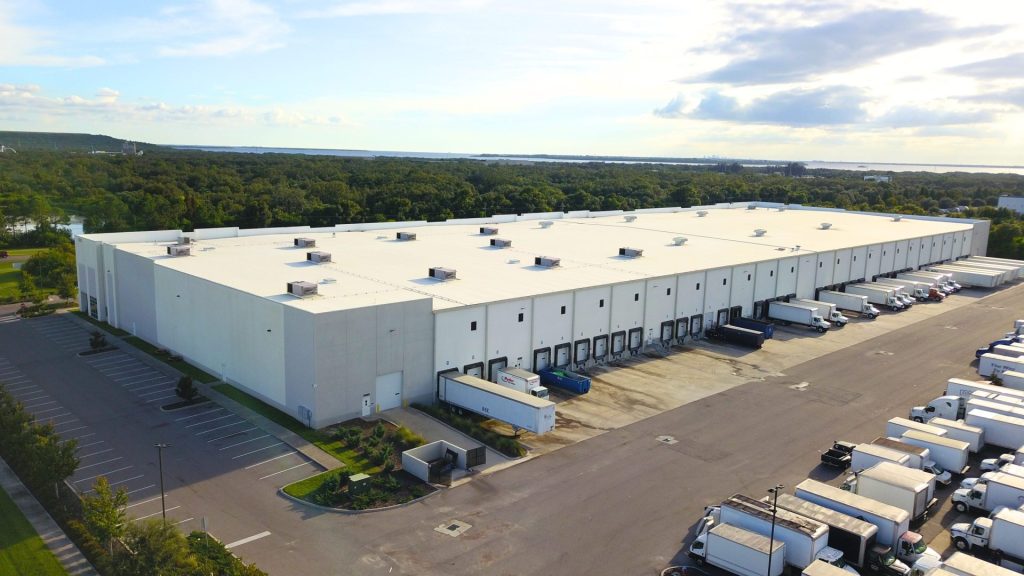
Last mile delivery is one of the most complex and costly aspects of modern supply chains, particularly for businesses operating across multiple markets. Breaking into multiple markets isn’t easy, especially with varying state laws on top of federal regulation. That’s why finding a 3PL or delivery provider with local reach becomes critical for expansion efforts into new markets and territories throughout the country.
In the United States, companies are facing growing pressure to deliver orders faster while managing rising transportation costs, regional infrastructure differences, and shifting customer expectations. Successfully navigating these challenges requires a combination of strategic fulfillment planning, localized warehousing, and advanced logistics technology.
By optimizing distribution networks and improving supply chain visibility, businesses can streamline last-mile operations, reduce delivery delays, enhance customer satisfaction, and minimize operational costs. These improvements create more reliable fulfillment systems that support sustained growth across diverse markets. This resource discusses several solutions for those looking to break into multiple markets for both last mile delivery and fulfillment.
Key Last-Mile Delivery Challenges in Multi-Market Supply Chains
One of the biggest challenges for businesses and last mile delivery across markets is efficiency. By not having a central warehouse or hub to operate out of, it takes longer for delivery trucks to reach their destination, leading to longer times on the road, more overtime pay, and rigid delivery schedules that often don’t fit the customer’s schedule.
Another critical problem logistics providers face is this: a labor shortage, fueled by an aging population and a federal crackdown on commercial drivers’ licenses (CDLs). With fewer drivers available, it exacerbates these ongoing issues with supply chain efficiency. It forces delivery scheduling to be even tighter and fewer loads out on the road at any given time, decreasing volume overall and eroding profit margins.
The Role of Local Warehousing in Multi-Market Distribution
Having a local fulfillment and warehousing center can be a scalable tool for companies. Let’s consider this example: a company is providing custom millwork for jobsites throughout central Maryland and the District of Columbia. By selecting a central warehouse for fulfillment and last mile delivery services that’s local to the product’s destination, the risk of damage, being late, or human error decreases. It ultimately becomes a process of fulfillment network optimization.
Local warehouses also enable companies to respond more quickly to regional demand fluctuations, improving inventory management and reducing the risk of stockouts or overstocking. In addition, distributed warehousing networks support faster order processing and more flexible shipping options, helping businesses meet growing customer expectations for rapid delivery.
When combined with data-driven demand forecasting and advanced warehouse management systems, local warehousing allows companies to scale operations more effectively while maintaining consistent service across multiple markets.
How Data and Real-Time Visibility Improve Delivery Performance
We’ve written about the importance of end-to-end visibility and real-time tracking here, but some key points to remember about it are the following:
- Real-time tracking offers flexibility and control like no other. Understanding where your products are at any moment, whether they’re in a warehouse or on the road to a customer, having full supply chain visibility is unmatched.
- It aids demand forecasting with real-time inventory management. Having the real numbers, not an approximation, helps businesses and dealers understand seasonal trends and how many products should be where.
- Real-time tracking also creates accountability. When customers ask, “where is my order,” you’ll be able to tell them where it is.
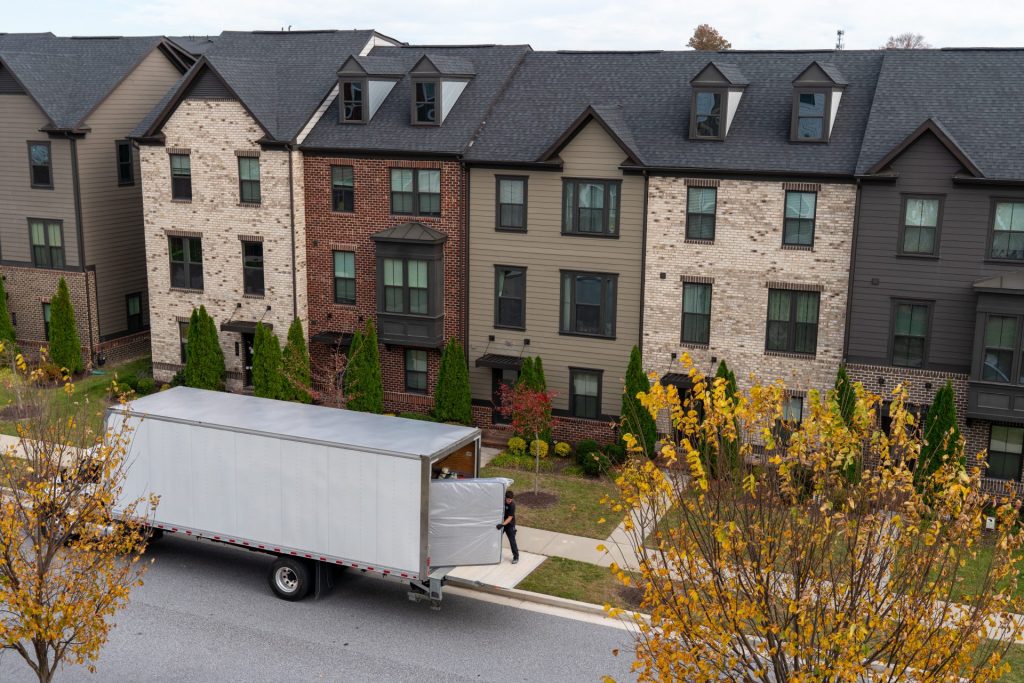
Partnering with Regional Carriers and 3PLs to Improve Last Mile Efficiency
When looking for the right delivery partner for your logistics operations, finding regional carriers or 3PLs with regional connections is critical for efficiency. Imagine this scenario: your company wants to deliver products to Indianapolis, but your delivery partner’s nearest location is in Columbus.
Suddenly routing becomes a last mile delivery challenge, as trucks need to go back and forth between Columbus and Indianapolis. Finding a 3PL partner who has deeper regional roots, offering warehousing, fulfillment, and last mile delivery in nearby Bloomington creates the opportunity to not only run more deliveries, but connect directly to customers.
At CDS Logistics, our hub-and-spoke model does just that. Our 182 hubs across the continental United States meet customers throughout the country, offering flexibility, efficiency, and increased availability that actively meets customer needs.
Future Trends Shaping Last-Mile Logistics and Fulfillment Networks
Going into 2026, one of the biggest trends we identified was a renewed focus on technology, automation, and how artificial intelligence (AI) can elevate last mile delivery and fulfillment. From route optimization to analytics analysis, AI creates opportunities for both businesses and 3PLs alike and will continue to be an avenue to explore for continuous growth.
Geopolitical forces also continue to impact the industry in a myriad of ways: fluctuating prices for oil and fleet maintenance, the sustained impact of tariffs, and broader disruptions in global trade. However, when the logistics industry faced similar challenges in the early 2020s, our supply chains proved to be resilient repeatedly.
Additionally, stronger partnerships between retailers, logistics providers, and regional carriers are helping companies expand delivery coverage while maintaining flexibility across different markets. As businesses continue growing and consumer expectations evolve, the ones that invest in innovative logistics technologies, distributed fulfillment networks, and sustainable delivery solutions will be better positioned to build resilient and scalable last mile fulfillment operations.
Frequently Asked Questions
What are the biggest last-mile challenges in multi-market supply chains?
The biggest challenge is efficiency: without a central warehouse or hub near each market, delivery trucks spend longer on the road, incur more overtime, and run rigid schedules that don’t fit customers. A second critical problem is the labor shortage, driven by an aging workforce and a federal crackdown on commercial drivers’ licenses, which forces tighter scheduling, fewer loads on the road, and lower volume that erodes profit margins.
How does local warehousing help with multi-market distribution?
Local fulfillment and warehousing centers are a scalable tool. Selecting a warehouse close to a product’s destination reduces the risk of damage, lateness, and human error—a process of fulfillment network optimization. Local warehouses also let companies respond faster to regional demand fluctuations, improving inventory management and reducing stockouts or overstocking, while supporting faster order processing and more flexible shipping that meets rising customer expectations.
How do data and real-time visibility improve delivery performance?
Real-time tracking offers flexibility and control by showing where products are at any moment, whether in a warehouse or on the road. It aids demand forecasting through real-time inventory management, giving businesses and dealers actual numbers rather than approximations to understand seasonal trends and stock placement. It also creates accountability, so when customers ask where their order is, the answer is immediately available.
Why does regional reach matter when choosing a 3PL partner?
Regional connections are critical for efficiency. If your delivery partner’s nearest location is in Columbus but you need to serve Indianapolis, routing becomes a challenge as trucks travel back and forth. A 3PL with deeper regional roots—offering warehousing, fulfillment, and last mile delivery in a nearby location like Bloomington—creates the opportunity to run more deliveries and connect directly to customers. CDS Logistics’ hub-and-spoke model with 182 hubs serves this purpose nationwide.
What trends are shaping the future of last-mile logistics and fulfillment?
A renewed focus on technology, automation, and AI is elevating last mile delivery and fulfillment, from route optimization to analytics. Geopolitical forces—fluctuating oil and maintenance prices, tariffs, and global trade disruptions—continue to impact the industry, though supply chains have repeatedly proven resilient. Stronger partnerships between retailers, logistics providers, and regional carriers are expanding coverage, and companies investing in logistics technology, distributed fulfillment networks, and sustainable solutions will be best positioned to scale.
About CDS Logistics: Experts in Big and Bulky Last Mile Delivery
CDS Logistics is one of the largest providers of last mile delivery and fulfillment solutions in the United States. CDS’s headquarters is in Baltimore, Maryland, with 182 hubs nationwide. Over the past three decades, CDS built expertise to make the company an industry leader specializing in big and bulky products. CDS’s proprietary, in-house technology and hands-on operational expertise provide results that are consistent, reliable, and proven to drive outstanding customer experiences.
Click the buttons below to learn more about the industries we serve, as well as the services we provide.
- How White-Glove Delivery Reduces Damage Claims on Heavy Fitness Equipment
- How Route Optimization Software Actually Cuts Delivery Costs
- In-Home Delivery vs. Threshold Delivery vs. Curbside: What’s the Difference?
- Jobsite Coordination: Why Builder Schedules Should Drive Your Delivery Windows
- How Window and Door Manufacturers Can Cut Damage Claims in Half

