Linehaul looks straightforward, but the real expenses of big and bulky delivery surface in the final mile: two-person teams, liftgate equipment, residential access challenges, fuel surcharges, storage fees, and reverse logistics. Returns and damage compound the costs. Smart route planning, white-glove service, and technology investment offset them and protect margins.
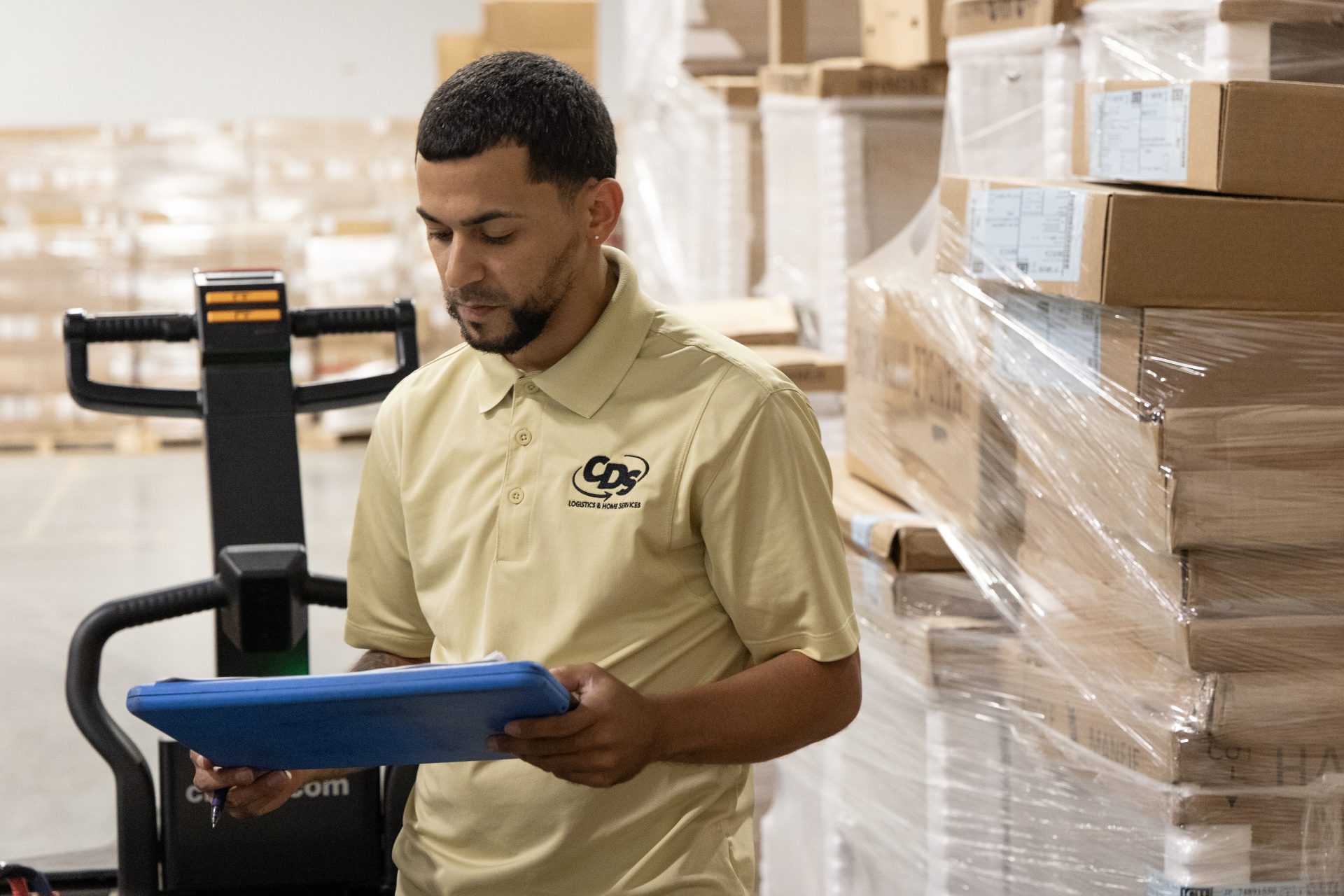
Last-mile delivery for big and bulky items—such as furniture, appliances, mattresses, and fitness equipment—comes with hidden shipping costs that can significantly impact profitability. While linehaul transportation may seem straightforward, the true expenses often emerge in the final mile, where labor-intensive handling, two-person delivery teams, liftgate equipment, residential access challenges, fuel surcharges, storage fees, and reverse logistics all add up.
Oversized freight requires specialized logistics planning, route optimization, warehouse space, and damage prevention strategies that go far beyond standard parcel shipping. Without efficient last-mile logistics management, these operational costs can quickly erode margins.
We’ve compiled some of the reasons why last-mile delivery for big and bulky products can have hidden costs, as well as some ways costs are offset, in this resource.
Why Last-Mile Delivery Can Be the Most Expensive Step
Throughout the buying journey, last-mile delivery is one of the most labor-intensive steps, especially for big and bulky products. Not only are the chances of the product getting damaged higher, but logistics providers navigate tight corridors, residential homes with steps, limited parking, and a myriad of other problems—all while directly engaging with the customer.
A lot goes into making deliveries a positive experience for customers, which can ultimately lead to higher costs for both consumers and businesses. In a period where customer expectations are high when it comes to both cost and delivery speed, knowing and understanding how last-mile deliveries’ costs add up becomes even more critical for strategic planning.
The High Price of Returns, Damages, and Reverse Logistics for Big and Bulky Items
Big and bulky can encompass different products: furniture, fitness equipment, appliances, and millwork being delivered to job sites. With the nuance required to deliver these items, which may be custom-made and include components, like glass, that are naturally fragile, the margin for error can be high. Replacing a product will not only increase the upfront cost, but re-attempting a delivery will require more labor, fuel, and equipment.
In addition to this, damaged items may require inspection, repackaging, refurbishment, or disposal, all of which add storage and processing costs. Reverse logistics disrupts route efficiency and warehouse flow, tying up capacity that could otherwise be used for revenue-generating deliveries.
Are White Glove Delivery Services Worth the Extra Cost?
White-glove services have increasingly become a method for brands to distinguish themselves from competitors. We’ve written about the significance of white-glove deliveries before; check out our resource on it here. For big and bulky items, simply dropping a new mattress or couch off at a customer’s doorstep or lobby doesn’t create a memorable experience—it can be a hassle.
However, white-glove services are more expensive to implement and run with delivery providers. The upfront cost can be daunting for both retailers and shippers, but in the long run, it could be more cost-effective and generate brand trust. From the increased level of care to debris cleanup, increased customer satisfaction, and lower damage rates decrease returns, damage, and complaints.
Storage and Cross-Docking Expenses for Oversized Freight
Big and bulky items take up significantly more warehouse space, limiting overall throughput and increasing the cost per square foot. They often require specialized racking, wide aisles for equipment, and additional handling time to be moved safely within the facility. When inbound shipments don’t align perfectly with outbound delivery windows, temporary storage becomes unavoidable.
Cross-docking can help reduce long-term storage expenses, but it still demands labor coordination, staging space, and precise scheduling to prevent congestion and damage. Insurance costs may also rise due to higher product values and increased damage risk.
Data-Driven Route Planning to Cut Fuel and Labor Costs
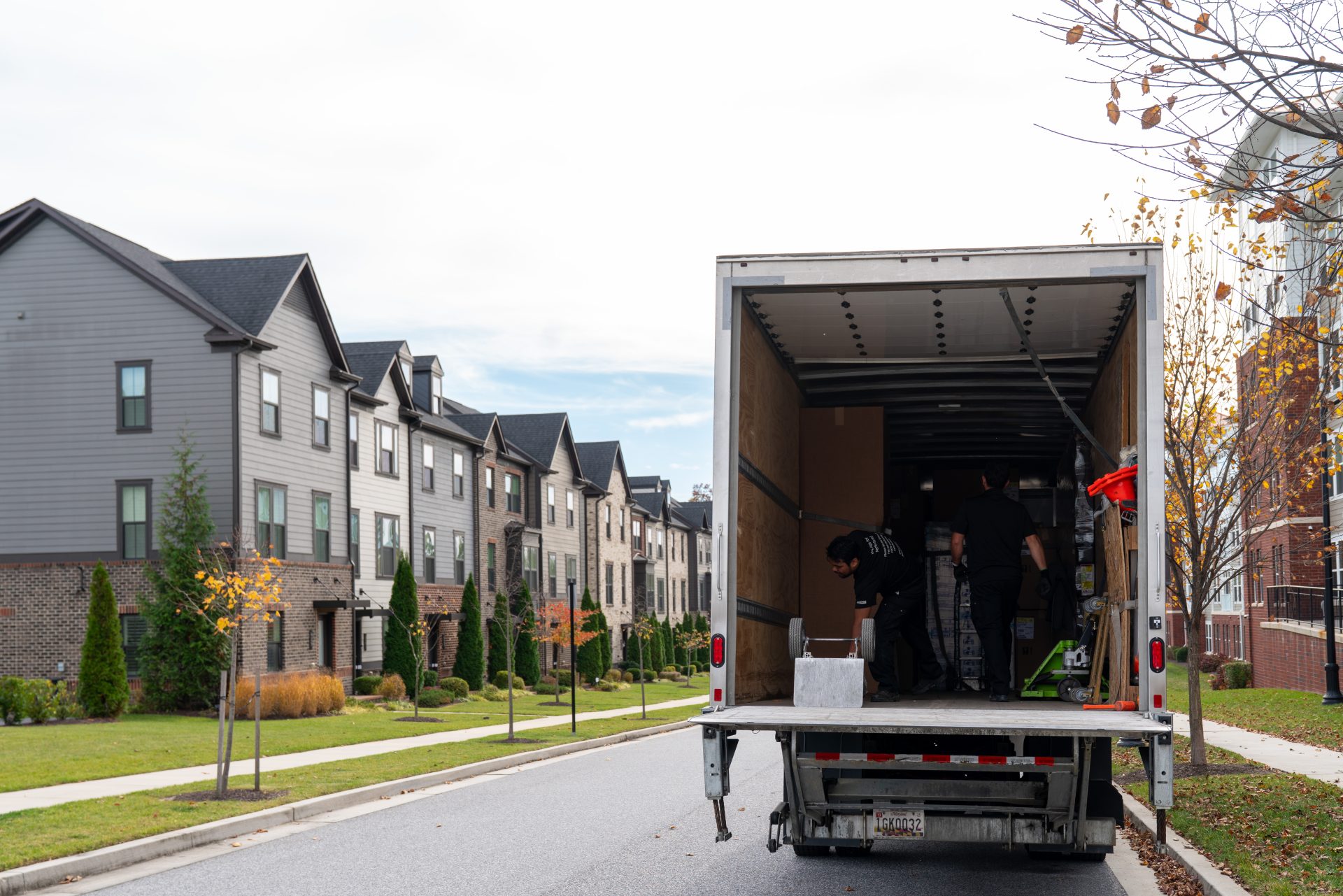
Optimizing which routes are taken also cuts down on labor costs. Instead of inefficient routes that might have 12 deliveries spread across a region, forcing overtime and delays, streamlining delivery stops not only increase labor productivity, but it also brings down the wear and tear on the vehicles.
Advanced routing software also uses real-time traffic data, delivery density, customer availability, vehicle capacity with weight, and service requirements to build optimized routes that reduce unnecessary miles and idle time on the road. Over time, these increase both savings and efficiency, ultimately leading to more growth.
Technology Investments That Reduce Handling Errors
One way to implement routing optimization is an increased investment in technology. While artificial intelligence, or AI, has been a buzz word in the past few years, it has various uses in the world of supply chains and logistics. But like white-glove services, actually putting together a working system integrated with already existing ones can be financially arduous. It would also require multiple rounds of testing to ensure it fully fits within a company’s needs.
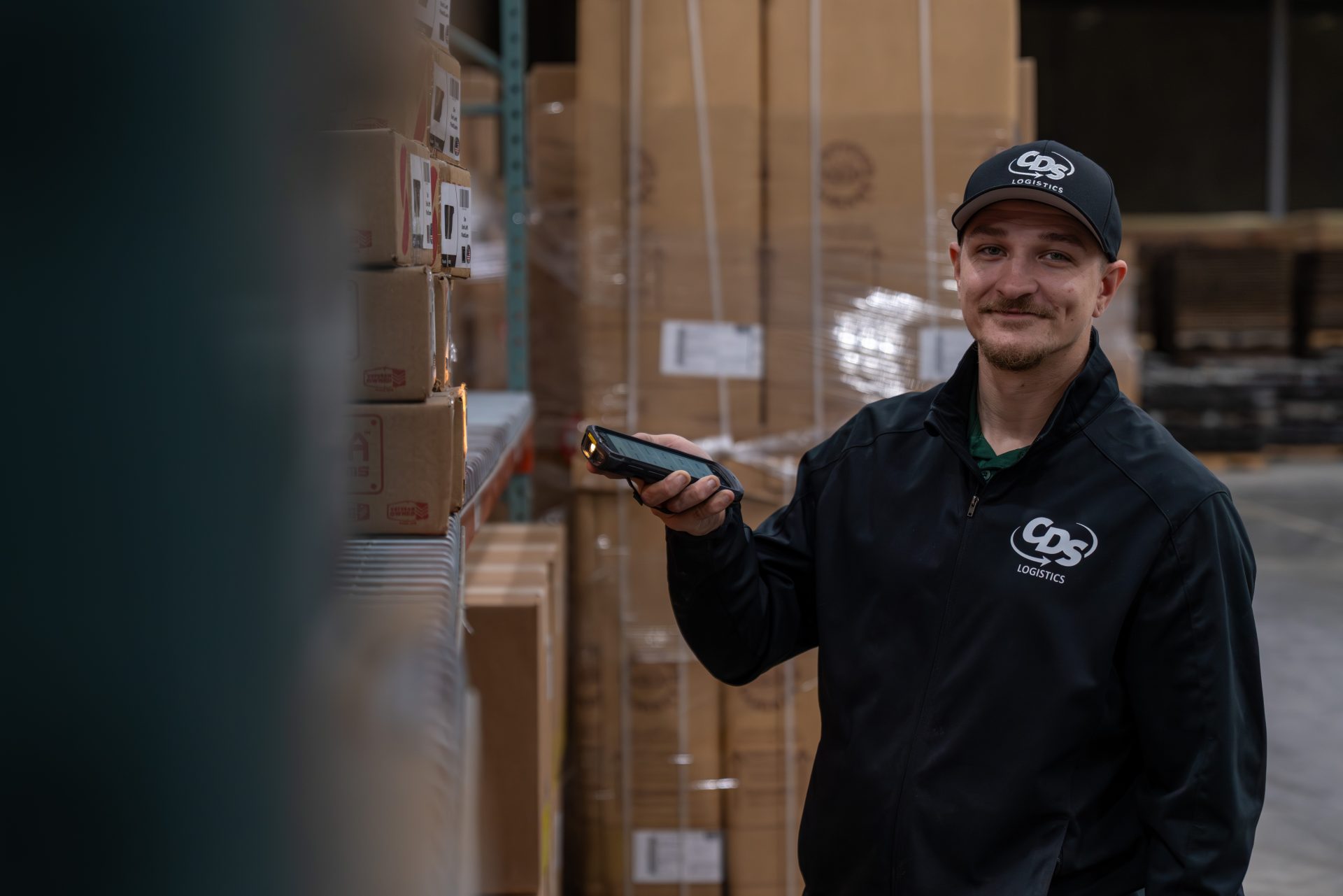
Barcode and RFID scanning, as well as real-time inventory management systems and route optimization platforms, improve visibility and accuracy at every touchpoint. Mobile delivery apps that capture proof of delivery, condition photos, and customer signatures also further protect against disputes and claims.
With the right technology, logistics providers can be more efficient, ultimately reducing the number of errors throughout the delivery process.
Frequently Asked Questions
Why is last-mile delivery the most expensive step for big and bulky items?
Last-mile delivery is one of the most labor-intensive steps, especially for big and bulky products. The chances of damage are higher, and logistics providers must navigate tight corridors, residential homes with steps, limited parking, and many other challenges—all while directly engaging with the customer. Creating a positive delivery experience drives up costs for both consumers and businesses, making it critical to understand how these costs add up amid high expectations for cost and speed.
How do returns, damages, and reverse logistics drive up costs?
Big and bulky items—furniture, fitness equipment, appliances, and jobsite millwork—often are custom-made and include fragile components like glass, so the margin for error is high. Replacing a product raises the upfront cost, and re-attempting a delivery requires more labor, fuel, and equipment. Damaged items may need inspection, repackaging, refurbishment, or disposal, adding storage and processing costs, while reverse logistics disrupts route efficiency and ties up warehouse capacity that could serve revenue-generating deliveries.
Are white glove delivery services worth the extra cost?
White-glove services have become a way for brands to distinguish themselves. For big and bulky items, simply dropping a mattress or couch at a doorstep or lobby isn’t memorable and can be a hassle. White-glove services are more expensive to implement, and the upfront cost can be daunting, but in the long run they can be more cost-effective and build brand trust. Increased care, debris cleanup, higher satisfaction, and lower damage rates reduce returns, damage, and complaints.
What are the storage and cross-docking costs for oversized freight?
Big and bulky items take up significantly more warehouse space, limiting throughput and increasing cost per square foot. They often require specialized racking, wide aisles for equipment, and extra handling time to move safely. When inbound shipments don’t align with outbound windows, temporary storage becomes unavoidable. Cross-docking can reduce long-term storage costs but still demands labor coordination, staging space, and precise scheduling to prevent congestion and damage, and insurance costs may rise with higher product values.
How does data-driven route planning cut fuel and labor costs?
Optimizing routes cuts labor costs. Instead of inefficient routes with 12 deliveries spread across a region that force overtime and delays, streamlining stops increases labor productivity and reduces vehicle wear and tear. Advanced routing software uses real-time traffic data, delivery density, customer availability, and vehicle capacity with weight and service requirements to build optimized routes that reduce unnecessary miles and idle time—increasing savings and efficiency over time.
What technology investments reduce handling errors?
Routing optimization is one application of technology investment. AI has various uses in supply chains, though building a working system integrated with existing ones can be financially arduous and require multiple rounds of testing. Barcode and RFID scanning, real-time inventory management systems, and route optimization platforms improve visibility and accuracy at every touchpoint. Mobile delivery apps capturing proof of delivery, condition photos, and customer signatures further protect against disputes and claims.
About CDS Logistics: Experts in Big and Bulky Last Mile Delivery
CDS Logistics is one of the largest providers of last mile delivery and fulfillment solutions in the United States. CDS’s headquarters is in Baltimore, Maryland, with 182 hubs nationwide. Over the past three decades, CDS built expertise to make the company an industry leader specializing in big and bulky products. CDS’s proprietary, in-house technology and hands-on operational expertise provide results that are consistent, reliable, and proven to drive outstanding customer experiences.
Click the buttons below to learn more about the industries we serve, as well as the services we provide.
- How White-Glove Delivery Reduces Damage Claims on Heavy Fitness Equipment
- How Route Optimization Software Actually Cuts Delivery Costs
- In-Home Delivery vs. Threshold Delivery vs. Curbside: What’s the Difference?
- Jobsite Coordination: Why Builder Schedules Should Drive Your Delivery Windows
- How Window and Door Manufacturers Can Cut Damage Claims in Half

