
In 2025, shippers are facing new market realities. FTL and linehaul rates are climbing due to cost inflation, tightening capacity, and regulatory crackdowns on fraudulent CDLs. As shippers grapple with supply chain disruptions and tariffs, these new challenges are adding even more complications.
CDL driver shortages are constraining supply and causing service volatility, detention delays, and rate escalations across regional lanes. Shippers relying on multi-stop linehaul routes to serve multiple receivers per trip are hit hardest — every stop adds time, risk, and cost when qualified drivers are in short supply. While shippers and 3PLs are confident they can adapt to the changes caused by tariffs and legislation, finding quality, talented labor as experienced workers retire poses new challenges.
Learn more and download our case study here
Commercial Driver’s License (CDL) Market Disruptions and Rising FTL Rates are a New Reality in 2025
In 2024, 78% of 3PLs reported they were impacted by labor shortages (Logistics Management, 2024 Annual Third-Party Logistics Study).
Some other key statistics:
- Recent market reports find that the FTL rate has increased 4–6% YoY through mid-2025.
- Nearly 180,000 drivers have lost CDLs this year, shrinking the pool of legal long-haul operators (DAT/FreightWaves).
How Shippers Face Increasing Multi-Stop Inefficiency and a Driver Labor Shortage
So what does all this mean for shippers? Some key challenges include driver availability and dwell time, accessorial cost creep, route volatility, and service inconsistency. These impact not only delivery times and customer experience, but brand reliability and promises towards consumers.
- Driver Availability and Dwell Time: when each stop eats more into limited HOS hours, this means loads will take longer and utilization drops.
- Accessorial Cost Creep: stop-off, detention, and layover fees increase faster than base rates.
- Route Volatility: missed appointments or consignee cancellations derail entire routes.
- Service Inconsistency: estimated arrival times become more unreliable, impacting the shipper’s customer experience.
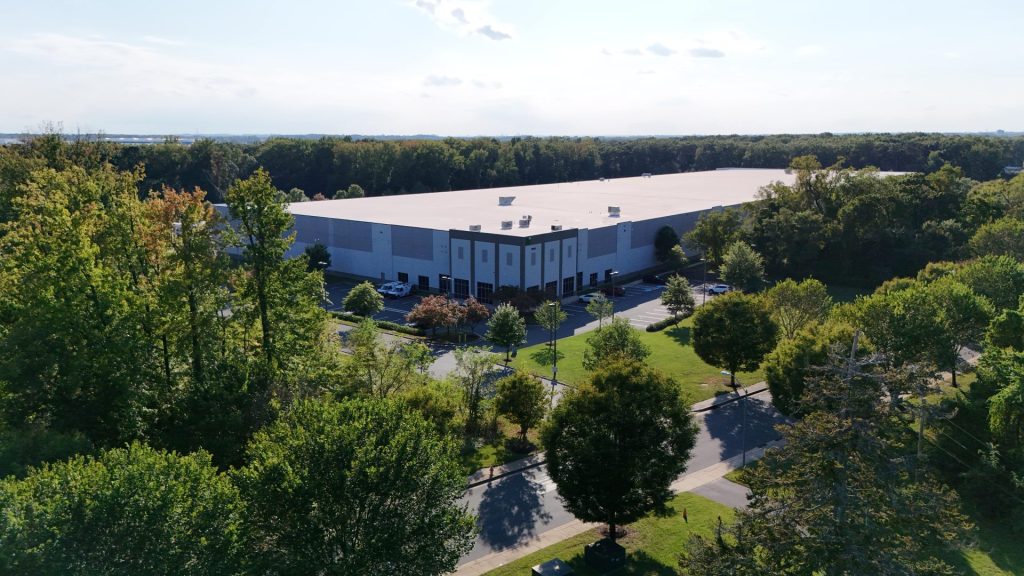
CDS Logistics Produced a Hub and Spoke Model to Create Positive Outcomes for Shippers
Here at CDS Logistics, we’ve created a hub-and-spoke model that works. Here’s how we did it:
- FTL linehaul runs one optimized, single-stop move into a CDS regional hub—here at CDS, we have 182 hubs throughout our nationwide network.
- Local, non-CDL last mile teams complete individual deliveries within tighter service windows.
- Vision Suite™ technology provides full visibility from linehaul arrival through final delivery. Learn more about our in-house, proprietary technology here.
For shippers, this reduces CDL labor dependence, accessorial bloat, protects cost stability, and improves service reliability.
We’re the experts when it comes to big and bulky products. Over the past three decades, we have built expertise that makes us an industry leader specializing in big and bulky products. Our proprietary, in-house technology and hands-on operational expertise enable us to provide results that are consistent, reliable, and proven to drive outstanding customer experiences.

