Choosing a 3PL is no longer just about moving goods—it’s building a scalable, data-driven logistics plan. Six factors matter most: scalability and flexibility for growth, network coverage and regional carrier relationships, customer service and performance metrics, technology that integrates with your systems, cost and sustainability measures, and compliance, security, and risk management.
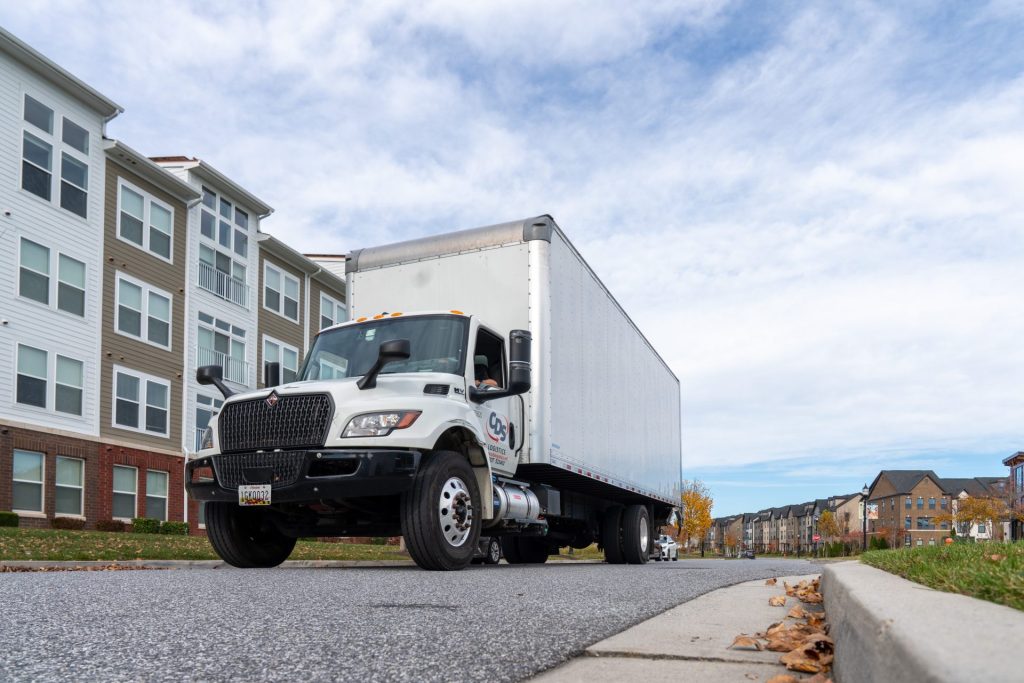
Third-party logistics providers, or 3PLs, remain a popular choice among businesses in 2026. Not only is it a way to outsource deliveries, which for big and bulky products can be complex and difficult, but having a dedicated logistics provider can be more cost-effective and efficient.
However, these days choosing a 3PL doesn’t just boil down to getting goods from one place to another. It’s about building a scalable, data-driven logistics plan that supports long-term growth and operational resilience, especially with new market challenges for B2C, e-commerce, and logistics providers themselves.
Looking for a new 3PL partner or want to know more about this side of the industry? We’ve outlined some key things to remember when researching new 3PL providers.
Ability to Assess Scalability and Flexibility for Further and Future Growth
When assessing scalability and flexibility for future growth, businesses should look beyond a 3PL’s current capacity and evaluate how well the provider can adapt to changing operational demands. Imagine this scenario: it’s peak season, around the holidays, and twice the amount of customer orders comes in.
Your 3PL provider buckles under this new pressure, and the on-time delivery rate plummets as customer complaints about their deliveries rise. Studies continue to show bad experiences cloud how customers see brands, and one bad delivery experience can disrupt brand loyalty and be a major factor in them choosing a different company or retailer.
A strong B2C 3PL partner should be capable of supporting seasonal volume fluctuations, new product launches, market expansion, and evolving fulfillment strategies without disrupting service levels. In 2026, this increasingly means access to flexible warehouse space, dynamic labor models, and technology that can quickly scale across multiple locations.
Selecting a 3PL provider with proven experience supporting enterprise growth ensures your logistics infrastructure remains resilient, cost-effective, and aligned with long-term business objectives.
Review Total Network Coverage and Relationships with Regional Carriers
Network coverage is also a key part of scalability and flexibility. When considering your business’s strategic goals in 2026 and beyond, understanding how your 3PL carrier operates domestically or internationally is going to be a critical part of the decision-making process. For example, a new targeted campaign for California yields new customer orders near Sacramento. If your logistics provider doesn’t have any major hubs or facilities in Northern California, then shipment speeds slow down, and customers are unable to get flexible delivery windows that fit within their schedules.
With CDS Logistics, our nationwide network with certified delivery partners consists of 182 hubs that span the entire continental United States. A hub-and-spoke model has proven to be highly effective in meeting customer demands and needs throughout the busy season, as it creates both flexibility and control by utilizing regional hubs to disperse deliveries with tighter service windows.
Having these regional relationships and certified delivery partners empowers and enables brands to increase the scale of their business and range, creating opportunities to meet customers in new markets—while feeling comfortable enough to do so.

Measure Customer Service, Communication, and Performance Metrics
It’s not a secret that customer expectations are high, and they’re only continuing to grow in 2026 and beyond. From increased, affordable shipping speeds to consistent communication when something happens during the delivery process, creating platforms that connect brands directly to customers has become increasingly important, if not a core part of how companies conduct their day-to-day business.
Keeping track of customer communication and satisfaction scores should be a part of a 3PL logistics provider’s process, if not one of the first metrics they’re able to provide. If customer dissatisfaction is high, then it’s a sign that something may need to change, especially as deliveries are one of the most visible processes in the buyer’s journey.
Read our blog post explaining several key KPIs in big and bulky delivery here, as it explains several other critical metrics, such as on-time delivery rates.
Look For Technology Integration That Seamlessly Integrates with Existing Systems
Poor communication, an inability to find out where your products are in the delivery process, and stocking issues—having a 3PL provider that is unable to provide any of these can be frustrating. These are what make technological advancements more important than ever. With the right investments in technology, a 3PL partner can integrate their systems with yours, allowing real-time tracking, stocking information, and consistent updates that make the delivery process relatively worry-free.
Our solution at CDS was to build and create our own in-house technology, which leverages over 35 years of big and bulky experience. We built a system as operators for operators, as we knew the limitations and challenges of what was already available for customers on the market. Because of this, the CDS Vision Suite™ creates transparency, trust, and promises for our brands.
Analyze Cost, Spend, and Sustainability Measures for Long-Term Growth
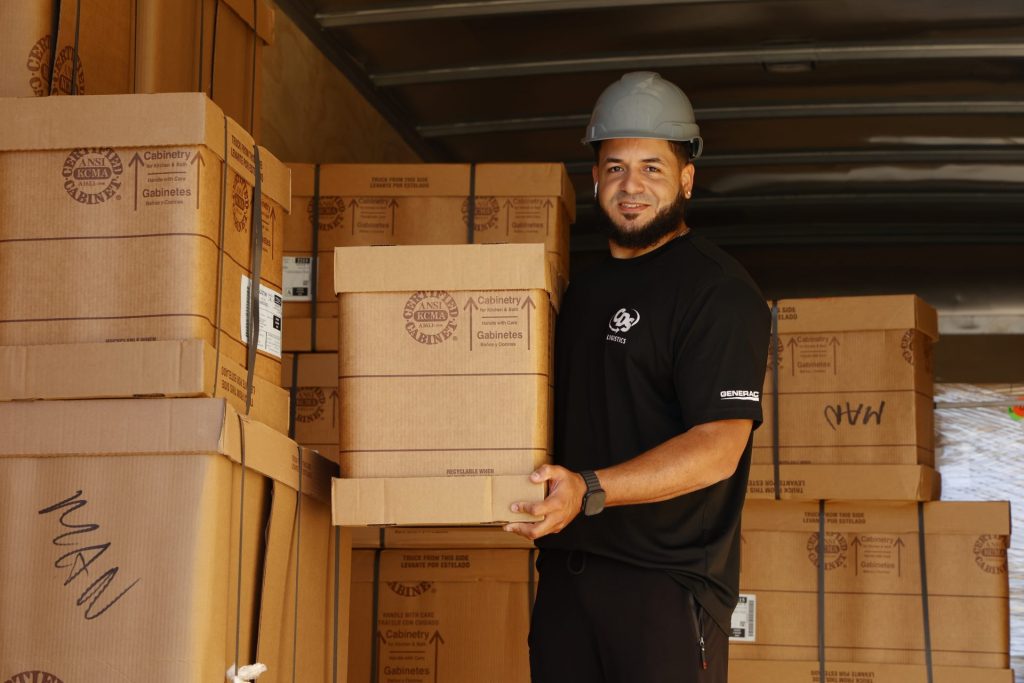
When analyzing cost, spend, and sustainability measures for long-term growth, businesses should evaluate more than just base transportation rates. A strategic 3PL partner provides clear visibility into total logistics spend, identifies cost drivers, and offers data-driven recommendations to improve efficiency over time, such as optimized routing systems or implementing artificial intelligence.
In 2026, sustainability is also a key factor in cost management, as fuel optimization, network design, and emissions-reduction initiatives can directly impact operating expenses and regulatory compliance. Selecting a 3PL that balances cost control with measurable sustainability initiatives enables organizations to reduce risk and build a more resilient, future-ready supply chain.
Ensure Compliance, Security, and Risk Management Standards
Compliance has always been a critical part of any business, and in the United States, new public policies at the state and federal levels have been impacting the logistics world. Ever since the COVID-19 pandemic, global supply chains have been disrupted, creating a ripple effect domestically, especially as regulations and laws shift with new administrations.
As new developments emerge, it can be difficult to understand how exactly this impacts your business, or if you should be worried about the latest news headlines. Selecting a 3PL partner who understands the impacts and nuances behind these new decisions can be critical, especially when it comes to risk management. For example, overreliance on drivers with potentially fraudulent credentials and commercial driver’s licenses (CDLs) can exacerbate the ongoing issues with labor shortages.
Frequently Asked Questions
Why is scalability and flexibility important when choosing a 3PL?
Businesses should look beyond a 3PL’s current capacity to how well it adapts to changing demands. If peak-season volume doubles and a provider buckles, on-time rates plummet and complaints rise—and one bad delivery experience can disrupt brand loyalty and push customers to a competitor. A strong B2C partner supports seasonal fluctuations, product launches, and market expansion without disrupting service, which in 2026 means flexible warehouse space, dynamic labor models, and technology that scales across multiple locations.
Why does network coverage matter when selecting a 3PL carrier?
Network coverage is a key part of scalability. If a targeted California campaign drives orders near Sacramento but your provider has no major hubs in Northern California, shipment speeds slow and customers can’t get flexible delivery windows. CDS Logistics’ nationwide network of certified delivery partners spans 182 hubs across the continental U.S. A hub-and-spoke model creates both flexibility and control by using regional hubs to disperse deliveries with tighter service windows, empowering brands to scale into new markets.
What customer service metrics should a 3PL provide?
Customer expectations keep growing in 2026, from affordable shipping speeds to consistent communication when issues arise, making platforms that connect brands directly to customers a core part of business. Tracking customer communication and satisfaction scores should be part of a 3PL’s process—ideally one of the first metrics they can provide. High dissatisfaction signals something needs to change, especially since deliveries are one of the most visible parts of the buyer’s journey. On-time delivery rate is another key KPI.
Why is technology integration important in a 3PL partner?
Poor communication, inability to locate products in the delivery process, and stocking issues are frustrating, which makes technology more important than ever. With the right investments, a 3PL can integrate its systems with yours, enabling real-time tracking, stocking information, and consistent updates that make delivery relatively worry-free. CDS built its own in-house technology, the CDS Vision Suite™, leveraging over 35 years of big and bulky experience—built by operators for operators to create transparency and trust.
How should businesses evaluate 3PL costs and sustainability?
Businesses should evaluate more than base transportation rates. A strategic 3PL provides clear visibility into total logistics spend, identifies cost drivers, and offers data-driven recommendations like optimized routing or AI to improve efficiency over time. In 2026, sustainability is also key to cost management, since fuel optimization, network design, and emissions-reduction initiatives directly impact operating expenses and regulatory compliance—so a partner balancing cost control with measurable sustainability reduces risk and builds a future-ready supply chain.
Why are compliance and risk management critical when choosing a 3PL?
Compliance has always been critical, and new state and federal policies continue to impact logistics, with supply chain disruptions since the COVID-19 pandemic creating ripple effects as regulations shift under new administrations. It can be hard to understand how these changes affect your business, so selecting a 3PL that understands their impacts and nuances is critical for risk management—for example, overreliance on drivers with potentially fraudulent CDL credentials can worsen ongoing labor shortages.
About CDS Logistics: Experts in Big and Bulky Delivery
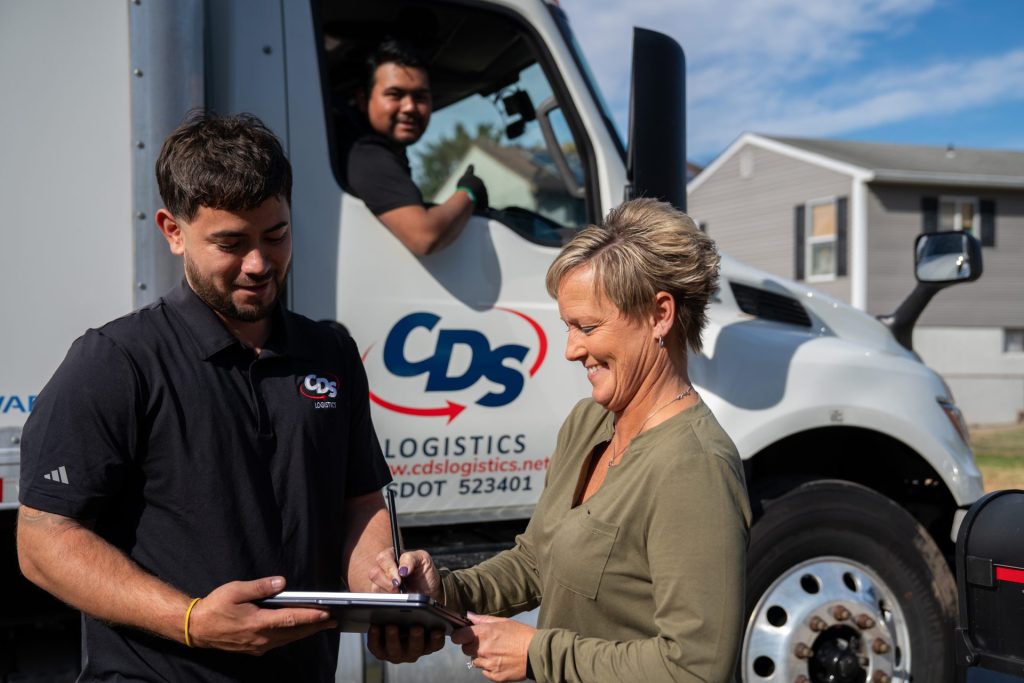
CDS Logistics is one of the largest providers of last mile delivery and fulfillment solutions in the United States. CDS’s headquarters is in Baltimore, Maryland, with 182 hubs nationwide. Over the past three decades, CDS built expertise to make the company an industry leader specializing in big and bulky products. CDS’s proprietary, in-house technology and hands-on operational expertise provide results that are consistent, reliable, and proven to drive outstanding customer experiences.
Click the links below to see what services we provide brands and customers, as well as the industries we specialize in across our nationwide network of 182 hubs.
- How White-Glove Delivery Reduces Damage Claims on Heavy Fitness Equipment
- How Route Optimization Software Actually Cuts Delivery Costs
- In-Home Delivery vs. Threshold Delivery vs. Curbside: What’s the Difference?
- Jobsite Coordination: Why Builder Schedules Should Drive Your Delivery Windows
- How Window and Door Manufacturers Can Cut Damage Claims in Half

