Last mile delivery is the final logistics stage, moving goods from a distribution center, warehouse, or hub to the customer’s end destination. It’s the most expensive and operationally challenging part of the supply chain—and where brands are judged. For big and bulky products, success depends on trained teams, technology, network density, and scalable standards.
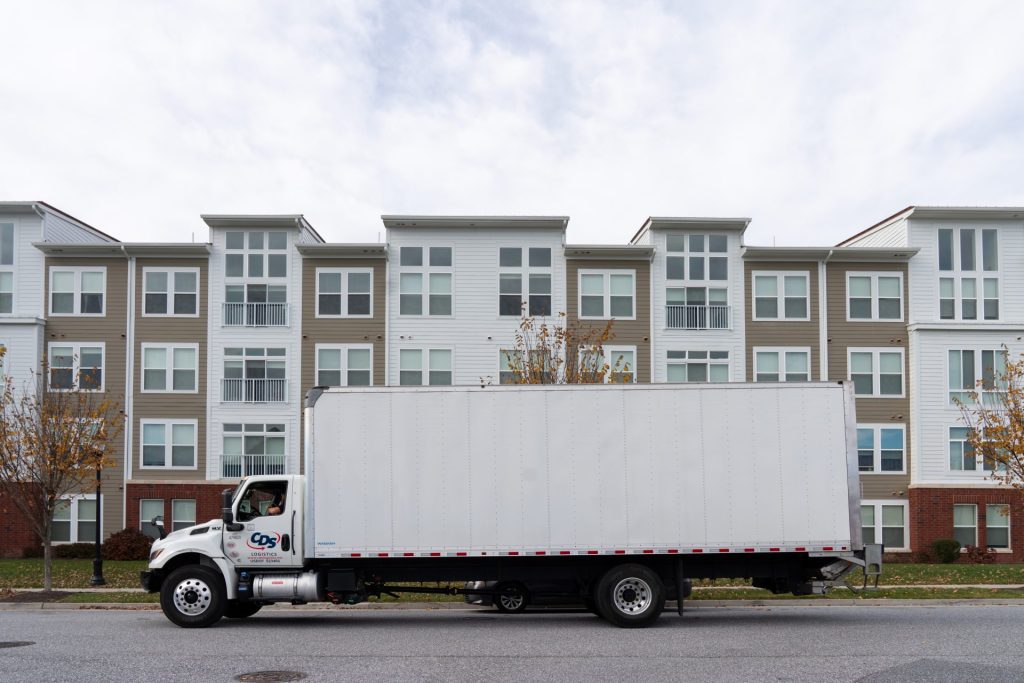
Last mile delivery has become one of the most critical components of modern supply chains. As customer expectations rise and delivery windows shrink, businesses are under increasing pressure to move goods faster, more reliably, and at a lower cost. In B2C, where shipments are often larger, time-sensitive, and operationally complex, the last mile can directly impact customer satisfaction, operating margins, and long-term scalability.
For B2C companies—including manufacturers, wholesalers, distributors, and retailers—the stakes are especially high. Late or unreliable deliveries can disrupt production schedules, delay inventory replenishment, and strain relationships. At the same time, many organizations are re-evaluating whether to manage last mile delivery in-house or partner with third-party providers to improve flexibility and control costs. Last mile delivery is where margins are lost, brands are judged, and relationships are either strengthened or broken.
In this guide, we break down last mile delivery so brands, businesses, and retailers can make informed decisions that support efficiency, strategic growth, and competitive advantage.
Defining Last Mile Delivery: Connecting Businesses to Customers
Last mile delivery specifically refers to the final stage of the logistics process, where goods are transported from a distribution center, warehouse, or hub to the end destination. It is often the most expensive and operationally challenging part of the supply chain, and it’s where products are directly meeting customers.
Factors such as route density, delivery time windows, labor costs, urban congestion, and failed deliveries all contribute to higher costs and reduced efficiency. And with customer expectations increasing, the final mile is now more important than ever. One bad delivery experience can turn customers away from a brand or retailer, which means how exactly goods are delivered to consumers now needs to be considered as part of business strategy.
We’ve written about the difference between third-party logistics (3PLs) and fourth-party logistics (4PLs), but choosing a last mile delivery provider can be tricky and highly dependent on a business’s needs and geographical reach.
How Last Mile Delivery Works in B2C and B2B Logistics Operations
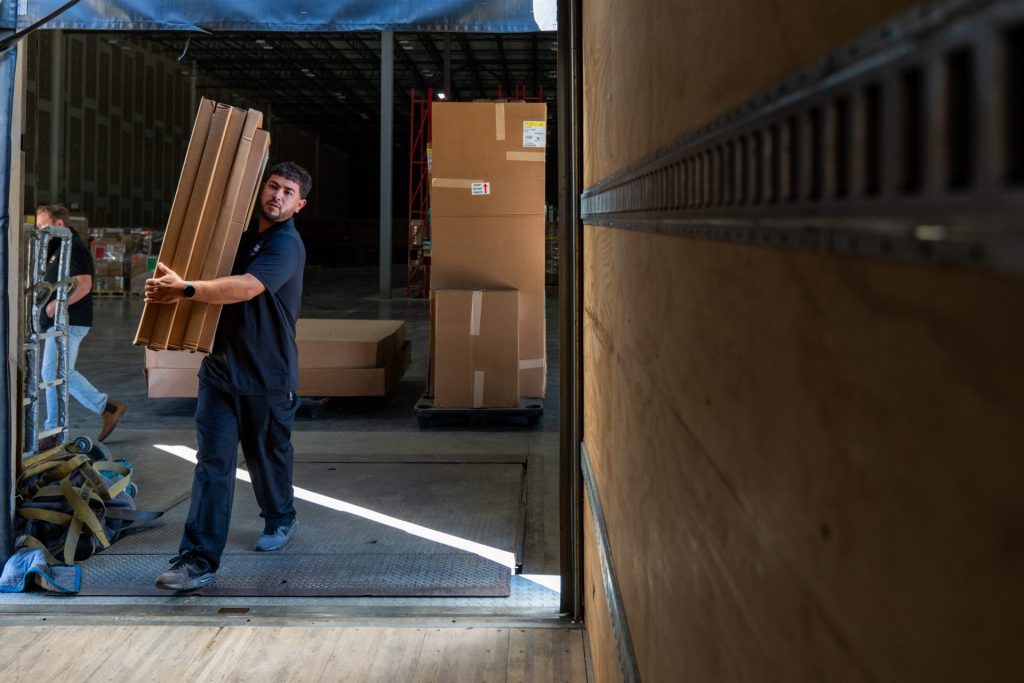
Big and bulky deliveries are deeply complex with several moving parts. From route optimization to scheduling delivery windows that work with customer schedules, last mile delivery is a journey. As products are loaded onto trucks at a warehouse or hub, trained delivery teams are critical for handling these high-value and delicate items.
At the delivery site, execution is also a critical differentiator. Big and bulky deliveries often involve white glove or premium services, such as inside delivery, uncrating, assembly, placement, or debris removal. Delivery teams must follow safety protocols and customer-specific procedures, especially in construction and job site deliveries. Proof of delivery, or PODs, includes signatures, photos, and condition reporting, which are captured digitally to ensure accountability and support downstream billing and claims processes.
Technology has become more necessary during this process. Real-time visibility, tracking, and routing optimization all rely on having the right tools and resources to give customers. Here at CDS Logistics, we developed our own in-house and custom system to address real challenges on the road, offering both flexibility and control every step of the way.
Enhancing Customer Experiences Down to the Last Mile
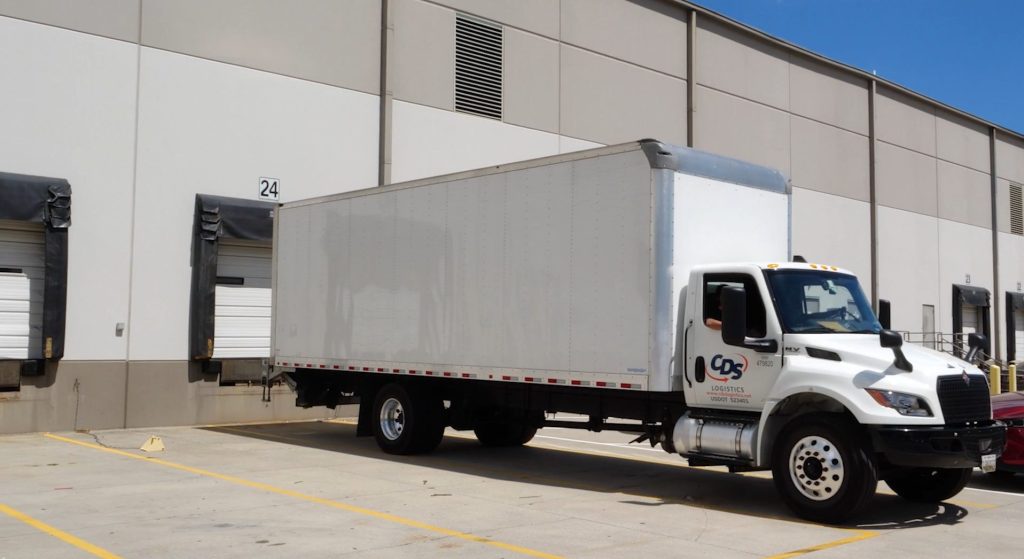
For customers, the last mile is the most visible part of the buying journey. It’s when a product becomes tangible, the newest part of their home or a key part of a construction site, and it can be devastating or a hindrance when a highly anticipated delivery arrives with damage, or outside the expected delivery window.
Premium delivery services are now becoming a key method for companies and brands to differentiate in busy, oversaturated markets. White glove deliveries are a way to do just that. It offers a more personalized touch to the delivery experience, offering careful handling of delicate and hard-to-handle items, and typically includes both installation and assembly.
For customers, who are often investing in these products, it creates a more memorable experience. It’s a commitment to customers when businesses ensure proper communication and directly address their needs. Going into 2026, customers are expecting to be empowered and have the resources that let them know where products are.
Challenges in Big and Bulky Last Mile Delivery (Cost, Speed, and Efficiency)
Big and bulky deliveries are complex—there’s no denying how difficult it can be to handle large furniture, appliances, and cabinets, hence the need for specialized and trained delivery teams and partners. At CDS, we ensure all our delivery partners are certified to our high standards and require a commitment to Lean principles and continuous improvement.
With the price of fuel and maintenance for fleets rising, routing optimization has also become a necessity for logistics providers. Not only does it create opportunities to deliver products faster and more efficiently, but that also cuts down on expenses, emissions, and wear and tear on trucks. However, technology and artificial intelligence are a major financial investment that requires testing, implementation, and maintenance, showing high start-up costs but long-term strategic wins.
Another major challenge for both customers and shippers has consistently been coordination and scheduling. Between work and family commitments, many customers find that provided delivery windows often don’t fit within their busy schedules, but they also want timely, efficient deliveries—with no additional cost.
Offering more flexibility and allowing customers to ultimately pick their own delivery windows can increase brand satisfaction, but it comes with its own set of new challenges. In big and bulky logistics, last-mile delivery isn’t a transportation function—it’s an operational discipline. Success depends on network density, trained teams, technology built for real-world complexity, and standards that don’t break at scale.
Future Trends in Last Mile Delivery in 2026 and Onwards
With all of this in mind, the last mile delivery industry, especially for big and bulky products, continues to grow. Even with shifting federal regulations and other ongoing issues, such as an aging workforce and stricter policies on commercial driver’s licenses (CDLs), among many others, last mile logistics evolves and adapts to new conditions.
For more on what the logistics industry holds in 2026 and beyond, reference our blog post identifying several emerging trends here.
Frequently Asked Questions
What is last mile delivery?
Last mile delivery refers to the final stage of the logistics process, where goods are transported from a distribution center, warehouse, or hub to the end destination. It is often the most expensive and operationally challenging part of the supply chain, and it’s where products directly meet customers. Factors like route density, delivery time windows, labor costs, urban congestion, and failed deliveries all contribute to higher costs and reduced efficiency, making the final mile more important than ever.
How does last mile delivery work for big and bulky products?
Big and bulky deliveries are complex with many moving parts, from route optimization to scheduling customer-friendly delivery windows. As products are loaded at a warehouse or hub, trained delivery teams are critical for handling high-value, delicate items. At the delivery site, execution often involves white glove or premium services like inside delivery, uncrating, assembly, placement, or debris removal, following safety protocols and customer-specific procedures. Proof of delivery—signatures, photos, and condition reporting—is captured digitally for accountability, billing, and claims.
Why is the last mile so important to the customer experience?
For customers, the last mile is the most visible part of the buying journey—it’s when a product becomes tangible, the newest part of their home or a key part of a construction site. It can be devastating when a highly anticipated delivery arrives damaged or outside the expected window. Premium services like white glove delivery differentiate brands in oversaturated markets, offering careful handling, installation, and assembly that create a more memorable experience for customers investing in these products.
What are the biggest challenges in big and bulky last mile delivery?
Handling large furniture, appliances, and cabinets requires specialized, trained delivery teams and partners. Rising fuel and fleet maintenance costs make routing optimization a necessity—it speeds delivery while cutting expenses, emissions, and vehicle wear, though the technology and AI behind it require significant investment with high startup costs but long-term wins. Coordination and scheduling are persistent challenges too, since provided delivery windows often don’t fit customers’ busy schedules even as they expect timely, efficient delivery at no added cost.
What’s the difference between managing last mile in-house versus using a 3PL?
Many organizations are re-evaluating whether to manage last mile delivery in-house or partner with third-party providers to improve flexibility and control costs. Choosing a last mile provider can be tricky and highly dependent on a business’s needs and geographical reach. In big and bulky logistics, last-mile delivery isn’t just a transportation function—it’s an operational discipline whose success depends on network density, trained teams, technology built for real-world complexity, and standards that don’t break at scale.
What trends are shaping last mile delivery in 2026 and beyond?
The last mile delivery industry, especially for big and bulky products, continues to grow. Even with shifting federal regulations and ongoing issues like an aging workforce and stricter commercial driver’s license (CDL) policies, last mile logistics keeps evolving and adapting to new conditions, with technology, premium service options, and flexible scheduling increasingly central to staying competitive.

About CDS Logistics: Experts in Big and Bulky Last Mile Delivery
CDS Logistics is one of the largest providers of last mile delivery and fulfillment solutions in the United States. CDS’s headquarters is in Baltimore, Maryland, with 182 hubs nationwide. Over the past three decades, CDS has built expertise to make the company an industry leader specializing in big and bulky products. CDS’s proprietary, in-house technology and hands-on operational expertise provide results that are consistent, reliable, and proven to drive outstanding customer experiences.
Click the buttons below to learn more about the industries we serve, as well as the services we provide.
- How White-Glove Delivery Reduces Damage Claims on Heavy Fitness Equipment
- How Route Optimization Software Actually Cuts Delivery Costs
- In-Home Delivery vs. Threshold Delivery vs. Curbside: What’s the Difference?
- Jobsite Coordination: Why Builder Schedules Should Drive Your Delivery Windows
- How Window and Door Manufacturers Can Cut Damage Claims in Half

