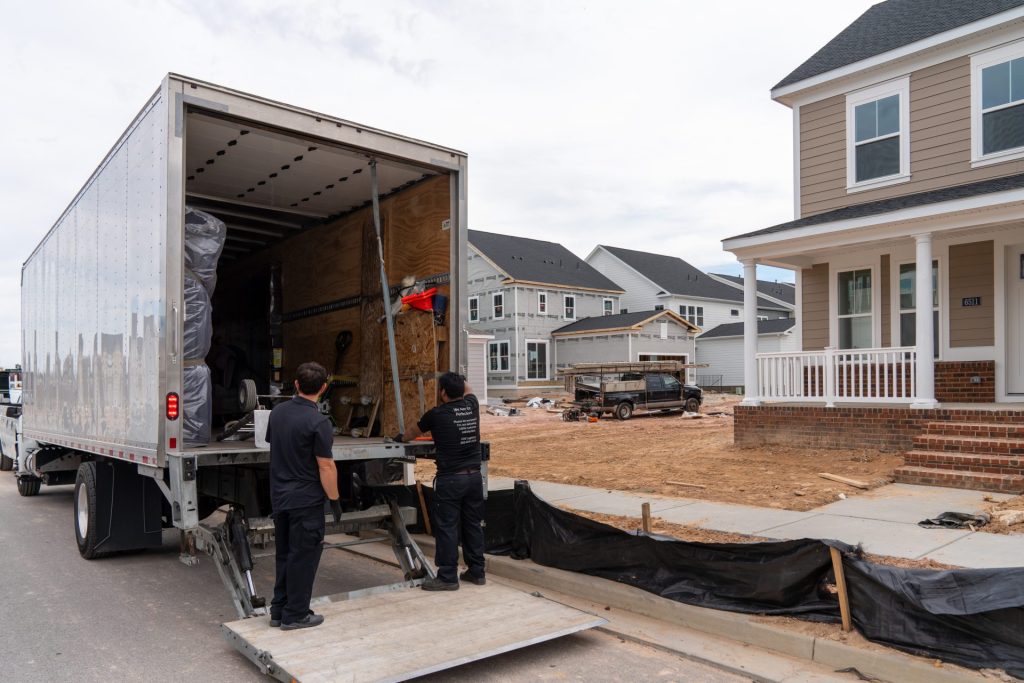
Millwork plays a critical role in modern construction projects, but coordinating the delivery of custom materials to busy jobsites has long been one of the industry’s most complex logistical challenges. Windows and doors must arrive at the right location, in the right sequence, and at exactly the right time to keep installation crews productive and projects on schedule. When deliveries are delayed, misplaced, or damaged, the ripple effects can slow down entire construction timelines and drive up project costs.
Millwork logistics can be complicated, but it doesn’t have to be a company’s biggest pain point. There are many components that contribute to a great delivery experience for customers, and the nuances and details shift when considering residential versus jobsite deliveries. Technology has been one of the ways delivery partners distinguish their services, especially as more digital coordination efforts yield measurable and viable results.
This resource compiles how exactly the future of millwork logistics can implement the right technology.
The Importance of End to End Visibility in Millwork Logistics
Millwork supply chains can be complicated, especially when there is a mix of jobsite and residential last mile deliveries thrown into the mix. Suddenly a project that was estimated to be completed after two months doubles in length after a critical delivery goes wrong, racking up expenses by requiring more labor and replacements for damaged millwork.
End to end visibility, or real-time tracking, aids in construction site logistics planning and has become a critical tool for builders. How to coordinate jobsite deliveries has always been a part of the process, but with new technology, brands and delivery partners have more options than ever.
Meanwhile, on the customer side, consumers are also expecting more real-time tracking capabilities when they place an order. Understanding where a package is at any moment has become a brand differentiator, offering a new level of customer service that meets consumers where they are currently at.
Technology and Real-Time Tracking Are Transforming Millwork Logistics and Delivery Coordination
Construction logistics has been transformed by the evolution and adoption of new technology, especially when it comes to both fulfillment and last mile delivery. For fulfillment, companies can leverage their technology’s ability to always understand inventory levels in the moment, reducing the number of overages and waste when determining inventory management for a region.
Technology investment also means that instead of relying on phone calls, spreadsheets, or manual updates, teams can track shipments in real time, receive automated delivery notifications, and quickly adjust schedules when project timelines change. Outdated systems can be updated in favor of automated delivery notifications scheduled throughout the delivery process, as well as GPS tracking, with the right tools and software to improve jobsite material logistics.
How Better Logistics Systems Reduce Jobsite Delays and Damages
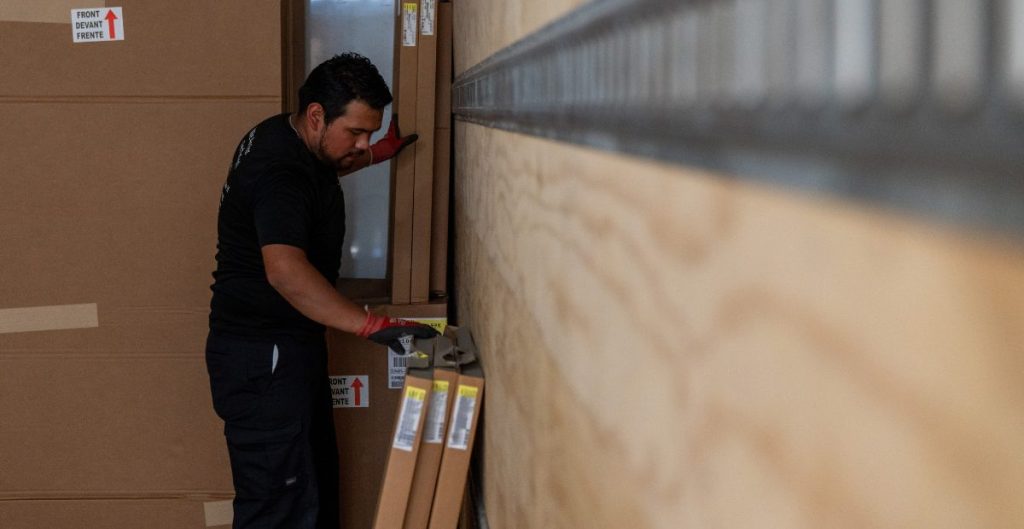
Avoiding jobsite delays can be one aspect of the job that remains elusive for project managers, especially when high-value products, like custom windows and doors, are involved. Damage is another key problem—millwork is expensive and often custom made, so when a valuable window cracks during the delivery process, construction timelines can be majorly thrown off.
Improved delivery visibility helps teams prepare for deliveries and avoid common problems such as early deliveries that lead to on-site storage risks or late shipments that stall project timelines. They also cut down on delays by maximizing route efficiency, looking at real-time conditions, and understanding how they impact the delivery in the moment.
Data and Analytics Are Improving Construction Material Deliveries
AI-driven analytics help companies identify inefficiencies across the construction supply chain, from warehouse operations to final mile delivery at the jobsite. AI systems can be used to analyze historical delivery data, traffic patterns, jobsite schedules, and supplier timelines to optimize construction material delivery routes and improve scheduling accuracy. It also be used to analyze inventory management for both products on the road and in the warehouse.
We’ve written about the significance of routing optimization and how it benefits both delivery partners and brands; click here to access that resource.
As these technologies continue to evolve, automation will allow millwork suppliers and contractors to better manage complex delivery schedules, reduce manual coordination, and gain deeper supply chain visibility, creating reliable and data-driven approaches to construction logistics.
Reducing Costs and Delays Through Smarter Logistics Systems
Ultimately, the future of millwork logistics and construction site logistics relies on the implementation of technology to better satisfy both customer and business needs. Real-time tracking and end-to-end visibility create advanced logistics software where teams can coordinate deliveries efficiently and cut down on friction that’s previously been a pain point for managers and companies.
Logistics management platforms are ultimately a way for companies to invest in long-term strategic branding and maximize ROI. While the upfront cost may be higher, the benefits can be immense, creating predictable systems that can be continuously improved and real-time conditions and needs change over time.
About CDS Logistics: Experts in Big and Bulky Last Mile Delivery
CDS Logistics is one of the largest providers of last mile delivery and fulfillment solutions in the United States. CDS’s headquarters is in Baltimore, Maryland, with 182 hubs nationwide. Over the past three decades, CDS built expertise to make the company an industry leader specializing in big and bulky products. CDS’s proprietary, in-house technology and hands-on operational expertise provide results that are consistent, reliable, and proven to drive outstanding customer experiences.
Click the buttons below to learn more about the industries we serve, as well as the services we provide.

