Millwork is among the riskiest verticals to deliver—fragile frames and glass are most vulnerable during the last mile, when handled repeatedly outside controlled environments. Reducing damage requires specialized trained crews and tools, proactive jobsite planning that maps access points and staging areas, clear communication and documentation, and the right delivery partner bringing reliability and accountability.
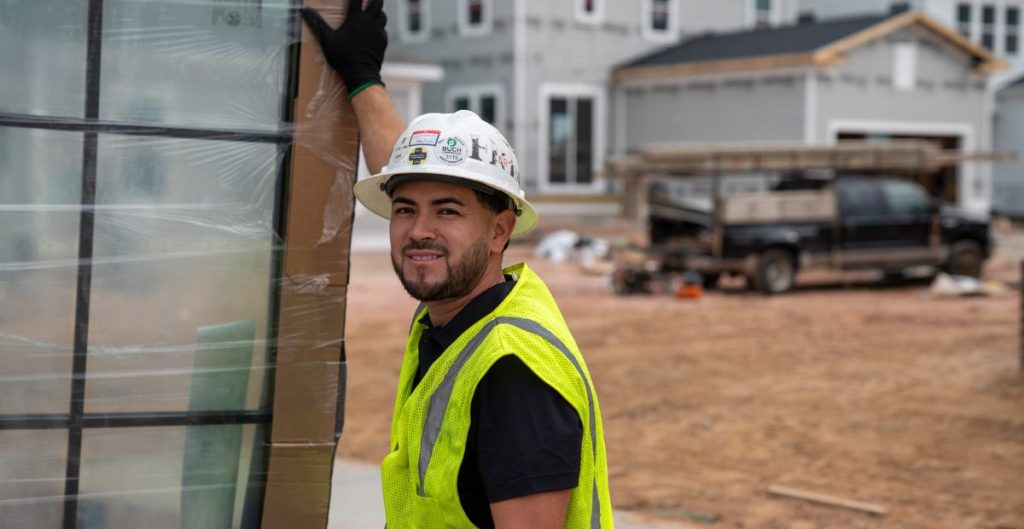
Whether jobsite or residential deliveries, companies have often struggled with getting their millwork products to customers on-time and damage-free. When millwork is damaged before reaching its destination, it leads to increased costs, whether through extended hours at the jobsite, reorders of damaged product, or long-term consequences that result in customer dissatisfaction.
Millwork can be one of the most difficult verticals to deliver products in and is the riskiest part of getting consumers their goods. Big and bulky items require a specific level of precision and care during the delivery process, which makes it critical for companies to choose the right delivery partner and logistics provider. With an abundance of options on the market, we have created a resource highlighting key aspects to consider when selecting a new millwork delivery partner.
But for those looking to learn more insight and understand the last mile delivery process more, this blog post will be on how exactly window and door damage is reduced during last mile delivery. From logistics providers to builders, transparency and comprehension of what makes the millwork deliveries work is critical, especially as brands and companies look to elevate their delivery experience as a whole.
Common Causes of Window and Door Damage During Last Mile Delivery
Window and door damage most often occurs during last mile delivery, when millwork products are handled multiple times and exposed to environments beyond a warehouse. Last mile delivery is not only the most visible part of the buying process, but it also is the riskiest portion of the buyer journey as well.
Moving millwork outside of controlled environments creates scenarios where they’re most vulnerable, as corners, frames, and glass can shatter or easily be damaged while being moved from a warehouse, truck, or onto a jobsite. Not only do crews need to understand how and why the conditions they’re facing might be, but they also need to be trained to handle a wide range of situations, whether it’s tight corridors or the toughest jobsite.
Specialized Handling, Crews, and Tools for Window and Door Delivery Services
Experienced delivery crews are essential to moving millwork safely and efficiently with the proper tools and skills. With the right training, they’re able to coordinate navigating through tight spaces with delicate, heavy loads, and are capable of adapting on the spot in order to prevent any drops or bumps. Both job sites and residential deliveries require specific skillsets and white glove premium deliveries, especially when it pertains to preventing damage to a customer’s already furnished home or preventing an accident at a construction site.
Here at CDS Logistics, our certified delivery partners and driving teams are trained to handle a multitude of situations. We also utilize our technology platform, the CDS Vision Suite™, to ensure that all our staff members and certified delivery partners are trained to the same standard of excellence across all regions and deliveries. We do this specifically through CDS Vision Elevate™, which certifies and qualifies our teams.
How Jobsite Planning Reduces Window and Door Delivery Damage
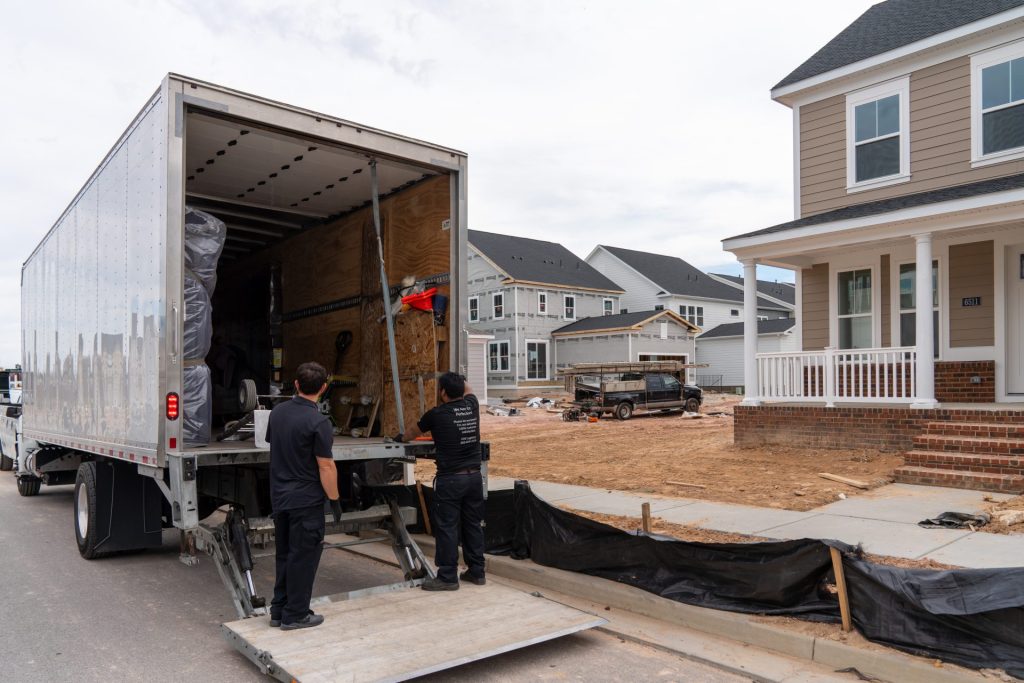
Proper jobsite planning plays a major role in reducing damage during millwork deliveries. When access points, delivery paths, and staging areas are clearly identified ahead of time, delivery crews can move large, fragile items without unnecessary repositioning or risk. Planning adequate space to unload and store materials helps prevent rushed handling, stacking issues, or exposure to uneven surfaces that can compromise frames or glass.
Clear communication between contractors, delivery teams, and site managers also further minimizes the chance of damage. Sharing details such as stair access, tight corners, floor protection requirements, and installation timelines allows crews to arrive prepared with the right tools and approach. When everyone understands the site’s conditions and expectations, deliveries are smoother and safer from the moment materials arrive.
Improving Communication and Documentation During Last Mile Window and Door Delivery
Improving communication during last mile delivery helps prevent misunderstandings that often lead to damage, delays, or failed deliveries. When shippers, delivery teams, and jobsite contacts share clear expectations in advance, crews can arrive prepared and work more efficiently. Real-time updates and confirmation calls also reduce uncertainty, allowing issues to be addressed for millwork logistics.
At CDS, we utilize CDS Vision™, our customer portal, to connect brands and customers every step of the delivery process. With scheduled reminders, texts, calls, delivery confirmation, and POD capabilities, we ensure that transparency is a key part of our relationships with both brands and customers. Studies have shown that customers are willing to overlook a late delivery time if there’s clear, consistent communication, and that in 2026 and going forward, increased communication is a need, not a suggestion.
How the Right Delivery Company for Millwork Logistics Helps Boost Your Company
Beyond safe handling, the right delivery partner brings reliability and accountability to millwork logistics and last mile delivery for windows and doors. Clear communication throughout the delivery process brings a certain level of transparency and trust that’s unmatched, especially with increased demand for real-time tracking and visibility.
By selecting the right delivery partner for millwork, it not only gives a peace of mind that your products are going to get to customers on-time and damage-free, but it can actually be more cost effective in the long run. Partnering with a delivery team that prioritizes care and expertise, your company no longer must deal with the headache of dealing with logistics in-house and focus on what matters the most: furthering your business strategy and elevating your products for customers.
Frequently Asked Questions
What causes window and door damage during last mile delivery?
Window and door damage most often occurs during last mile delivery, when millwork products are handled multiple times and exposed to environments beyond a warehouse. The last mile is both the most visible and the riskiest part of the buyer journey. Moving millwork outside controlled environments makes it most vulnerable—corners, frames, and glass can shatter or be damaged while being moved from a warehouse, onto a truck, or onto a jobsite, which is why crews must be trained to handle a wide range of situations.
Why are specialized crews and tools important for window and door delivery?
Experienced delivery crews are essential to moving millwork safely and efficiently with the proper tools and skills. With the right training, they can coordinate navigating tight spaces with delicate, heavy loads and adapt on the spot to prevent drops or bumps. Both jobsites and residential deliveries require specific skillsets and white glove premium services, especially to prevent damage to a customer’s furnished home or accidents at a construction site. CDS Logistics certifies its teams to a consistent standard through CDS Vision Elevate™.
How does jobsite planning reduce millwork delivery damage?
Proper jobsite planning plays a major role in reducing damage. When access points, delivery paths, and staging areas are clearly identified ahead of time, crews can move large, fragile items without unnecessary repositioning or risk. Planning adequate space to unload and store materials prevents rushed handling, stacking issues, or exposure to uneven surfaces that compromise frames or glass. Sharing details like stair access, tight corners, floor protection requirements, and installation timelines lets crews arrive prepared.
How does better communication prevent delivery damage?
Improving communication during last mile delivery helps prevent misunderstandings that lead to damage, delays, or failed deliveries. When shippers, delivery teams, and jobsite contacts share clear expectations in advance, crews arrive prepared and work more efficiently, while real-time updates and confirmation calls reduce uncertainty. CDS uses its customer portal, CDS Vision™, with scheduled reminders, texts, calls, delivery confirmation, and POD capabilities. Studies show customers will overlook a late delivery if communication is clear and consistent—making it a need, not a suggestion, in 2026.
How does the right delivery partner benefit a millwork company?
Beyond safe handling, the right delivery partner brings reliability and accountability to millwork last mile delivery. Clear communication throughout the process creates unmatched transparency and trust, especially with rising demand for real-time tracking and visibility. Choosing the right partner provides peace of mind that products arrive on-time and damage-free, and can be more cost-effective long term—freeing your company from the headache of in-house logistics to focus on furthering business strategy and elevating products for customers.
About CDS Logistics: Experts in Big and Bulky Delivery
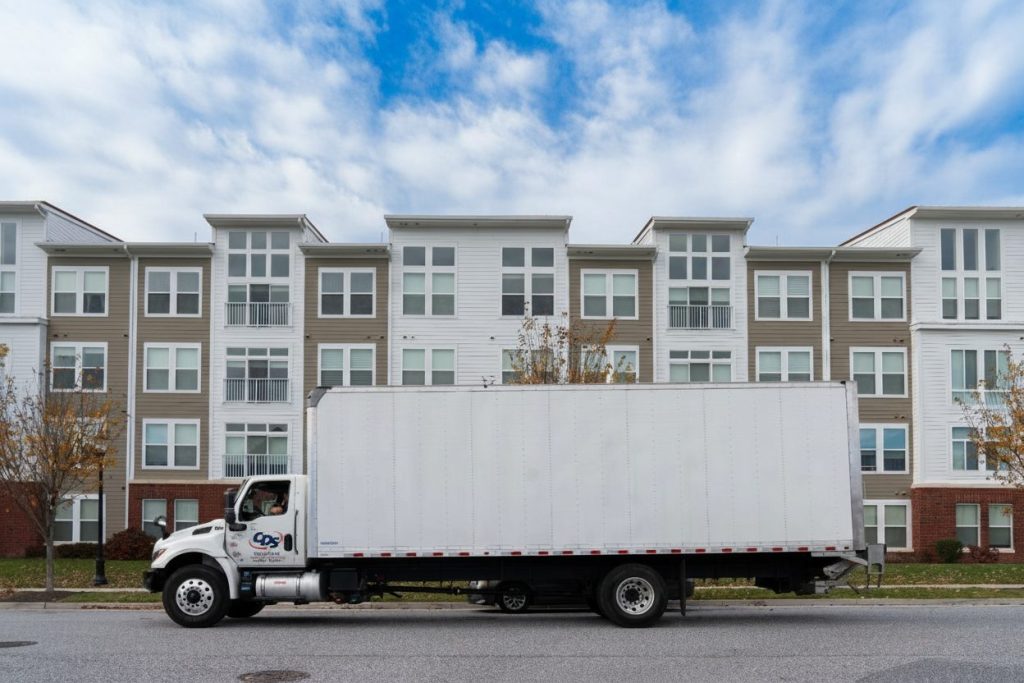
CDS Logistics is one of the largest providers of last mile delivery and fulfillment solutions in the United States. CDS’s headquarters is in Baltimore, Maryland, with 182 hubs nationwide. Over the past three decades, CDS built expertise to make the company an industry leader specializing in big and bulky products. CDS’s proprietary, in-house technology and hands-on operational expertise provide results that are consistent, reliable, and proven to drive outstanding customer experiences.
Click the links below to see what services we provide brands and customers, as well as the industries we specialize in across our nationwide network of 182 hubs.
- How White-Glove Delivery Reduces Damage Claims on Heavy Fitness Equipment
- How Route Optimization Software Actually Cuts Delivery Costs
- In-Home Delivery vs. Threshold Delivery vs. Curbside: What’s the Difference?
- Jobsite Coordination: Why Builder Schedules Should Drive Your Delivery Windows
- How Window and Door Manufacturers Can Cut Damage Claims in Half

