Millwork manufacturers see 1–3% last mile damage rates that seem manageable but cost far more than the broken product. Replacement units run $200–$2,000 each, plus redelivery charges, credits, delayed installations, and strained builder relationships. Caused by too many touchpoints, untrained drivers, and single-driver crews, it’s a strategic priority, not just a logistics issue.
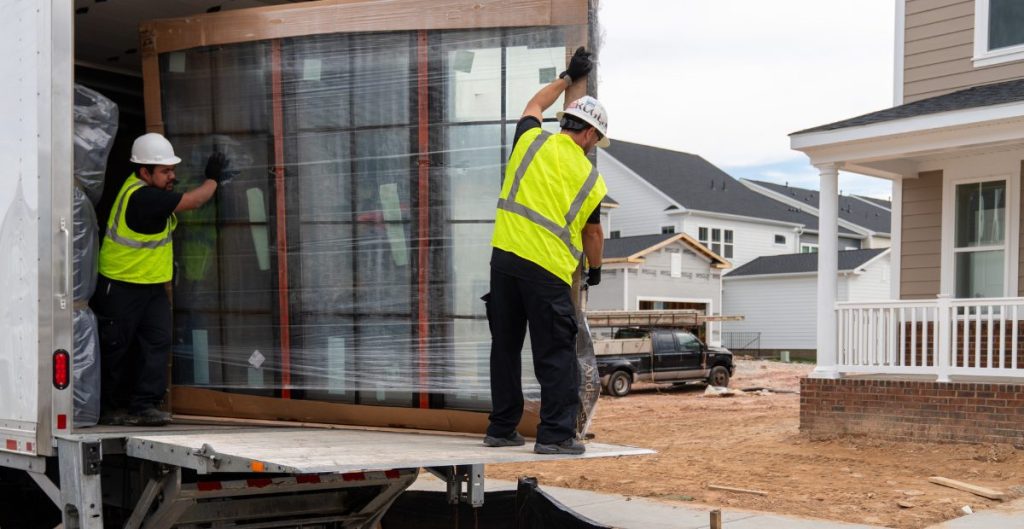
Millwork manufacturers face a unique logistics challenge. Windows & doors are heavy, fragile, typically with limited packaging, and often delivered directly to busy jobsites. When something goes wrong during delivery, the consequences can ripple through a construction project’s entire timeline, leading to unexpected financial surprises.
Industry data shows that many millwork manufacturers experience 1–3% damage rates in last mile delivery, which might seem manageable at first glance. But when you consider the real operational impact—the cost of replacement units, delayed installations, wasted labor, and strained relationships with builders—the actual cost is far higher than the damaged product itself.
For manufacturers looking to scale their operations and improve customer satisfaction, reducing delivery damage isn’t just a logistics issue. It’s a strategic priority that companies often overlook.
This blog post covers the true and hidden costs of millwork delivery damage, why it happens, and what manufacturers should look for in a logistics partner to prevent it.
You can also download our white paper on the subject in the form below.
The True Cost of Millwork Delivery Damage
Why Last Mile Residential and Jobsite Delivery is Difficult for Windows and Doors
For last mile delivery, millwork often is a special case. Not only are windows and doors more difficult and fragile to handle, but they’re also often custom-made in various sizes and expensive to replace when something goes wrong. Jobsite and residential deliveries require a special level of care and handling due to changing conditions on-site.
Many logistics providers often treat millwork the same way they do with other freight, but that neglects the treatment these products require. With an initial higher risk of scratching the frames, navigating tight spaces, and having to deliver multiple parts together at a specific time in the construction project’s timeline can lead to chaos without the right systems in place.
Read our blog post on how delivery partners reduce damage for millwork here.
The Visible Costs of Millwork Delivery Damage
Most manufacturers track the obvious financial impact of damaged deliveries. However, this represents only part of the total financial burden. The following components can contribute to the overall job cost.
Replacement Units
When a window or door arrives damaged, it must be remade and shipped again. Depending on the product specifications, this can cost anywhere from $200 to $2,000 per unit, not including expedited manufacturing or rush shipping fees.
For manufacturers handling large multi-unit orders, even a small damage rate can quickly escalate into significant costs.
Redelivery Charges
A failed delivery doesn’t just require another shipment; it also requires additional coordination. Logistics teams must reschedule transportation, builders rearrange crews, and delivery windows often need to be adjusted to meet new project timelines.
These rescheduling costs often include premium freight charges and administrative overhead.
Credits and Chargebacks
Builders and dealers expect deliveries to arrive intact and on time. When damage occurs, manufacturers frequently absorb the cost through credits, refunds, or chargebacks.
While these costs are measurable, they still represent only a fraction of the true financial impact.
The Real Causes of Millwork Delivery Damage
Many manufacturers assume damage occurs because of manufacturing defects or packaging issues. Several other common factors contribute to these problems.
Too Many Touchpoints
While products are in the warehouse they are kept in stable, consistent conditions, but once they begin the next step of their journey damage rates go up. Every time a product is moved, loaded, or transferred between vehicles, the risk of damage increases.
LTL shipping networks often involve multiple transfers between terminals, and each transfer creates new opportunities for damage and mishandling.
Untrained Drivers
Many general freight carriers do not train drivers specifically for glass handling or millwork delivery. Without proper training in vertical loading, load sequencing, and careful handling, even experienced drivers may unintentionally damage products.
Single-Driver Crews
Windows and doors are heavy and awkward to move. Deliveries handled by a single driver often result in products being dragged, dropped, or leaned improperly.
Two-person delivery teams significantly reduce these risks. Combined with the proper training, experienced, dedicated crews for millwork deliveries are optimal for preventing damage.
Unprepared Job Sites
Construction sites are dynamic environments. Without proper coordination, deliveries may arrive when no one is available to receive them, or products are left in the wrong place at the wrong time.
This often leads to products being moved multiple times or left exposed to weather conditions, greatly increasing the risk of damage.
Lack of Accountability
Without photo documentation and scan-based tracking, it can be nearly impossible to determine where damage occurred. This lack of visibility often leaves manufacturers absorbing costs that may have occurred during transportation.
At CDS Logistics, our in-house technology, the Vision Suite™, is how we implement end-to-end visibility throughout our delivery processes.
What to Look for in a Millwork Delivery Partner
Finding the right delivery partner for millwork can completely change how companies view last mile delivery as a business strategy. We’ve written about this before and outlined what you should be looking for (access our blog post on it here), but it can be difficult to find the proper fit for your company’s needs.
Here’s a quick breakdown of what to look for in a millwork delivery partner:
- Dedicated, experienced delivery teams trained in handling millwork and/or high-value, fragile items with glass.
- Technology that offers visibility, flexibility, and real-time tracking throughout the entire delivery process.
- Consistent national coverage and execution across the country, allowing for more reach with deliveries to new customers and markets.
Turning Last-Mile Delivery Into a Competitive Advantage
Millwork deliveries will always involve challenges, but the right logistics strategy can dramatically reduce risk. By partnering with logistics providers that specialize in millwork handling, manufacturers can:
- Reduce product damage
- Improve builder satisfaction and accelerate project timelines
- Strengthen relationships with dealers and contractors
Instead of treating last mile delivery as a cost center, manufacturers can turn it into a competitive advantage that supports long-term growth and planning.
Frequently Asked Questions
Why is last mile delivery so difficult for windows and doors?
Millwork is a special case: windows and doors are heavy, fragile, often custom-made in various sizes, and expensive to replace. They typically have limited packaging and are delivered to dynamic jobsites with changing conditions. Many logistics providers treat millwork like ordinary freight, which neglects the care it requires—risking scratched frames, tight-space navigation, and the need to deliver multiple parts together at a specific point in the construction timeline.
What are the visible costs of millwork delivery damage?
The most tracked costs are replacement units, which run $200 to $2,000 per unit depending on specifications—before expedited manufacturing or rush shipping fees; redelivery charges, which add rescheduled transportation, rearranged crews, premium freight, and administrative overhead; and credits and chargebacks, which manufacturers frequently absorb when deliveries don’t arrive intact and on time. These measurable costs are still only a fraction of the true financial impact.
What actually causes millwork delivery damage?
Damage stems from several factors beyond manufacturing defects or packaging: too many touchpoints, since each move, load, or terminal transfer in LTL networks creates new risk; untrained drivers who lack training in glass handling, vertical loading, and load sequencing; single-driver crews that lead to products being dragged, dropped, or leaned improperly; unprepared jobsites where items are left exposed or moved repeatedly; and a lack of accountability without photo documentation and scan-based tracking.
How much damage do millwork manufacturers typically experience?
Industry data shows many millwork manufacturers experience 1–3% damage rates in last mile delivery. While this seems manageable at first glance, the real operational impact—replacement units, delayed installations, wasted labor, and strained builder relationships—makes the actual cost far higher than the damaged product itself. For manufacturers handling large multi-unit orders, even a small damage rate can quickly escalate into significant costs.
What should manufacturers look for in a millwork delivery partner?
Look for three things: dedicated, experienced delivery teams trained in handling millwork and high-value, fragile items with glass; technology that provides visibility, flexibility, and real-time tracking throughout the entire delivery process; and consistent national coverage and execution, allowing greater reach to new customers and markets. Two-person teams combined with proper training are optimal for preventing damage.
How can millwork last mile delivery become a competitive advantage?
Although millwork deliveries always involve challenges, the right logistics strategy dramatically reduces risk. By partnering with providers that specialize in millwork handling, manufacturers can reduce product damage, improve builder satisfaction, accelerate project timelines, and strengthen relationships with dealers and contractors. Instead of treating last mile delivery as a cost center, manufacturers can turn it into a competitive advantage supporting long-term growth.
About CDS Logistics: Experts in Big and Bulky Delivery
CDS Logistics is one of the largest providers of last mile delivery and fulfillment solutions in the United States. CDS’s headquarters is in Baltimore, Maryland, with 182 hubs nationwide. Over the past three decades, CDS built expertise to make the company an industry leader specializing in big and bulky products. CDS’s proprietary, in-house technology and hands-on operational expertise provide results that are consistent, reliable, and proven to drive outstanding customer experiences.
Click the links below to see what services we provide brands and customers, as well as the industries we specialize in across our nationwide network of 182 hubs.
- How White-Glove Delivery Reduces Damage Claims on Heavy Fitness Equipment
- How Route Optimization Software Actually Cuts Delivery Costs
- In-Home Delivery vs. Threshold Delivery vs. Curbside: What’s the Difference?
- Jobsite Coordination: Why Builder Schedules Should Drive Your Delivery Windows
- How Window and Door Manufacturers Can Cut Damage Claims in Half

