Last mile delivery moves large items from a distribution center into the customer’s home or jobsite—the most complex, costly logistics stage and often a brand’s first physical impression. It requires trained teams, specialized trucks, and scheduled windows, with service tiers from threshold to white-glove. Done well, it becomes a powerful competitive advantage.
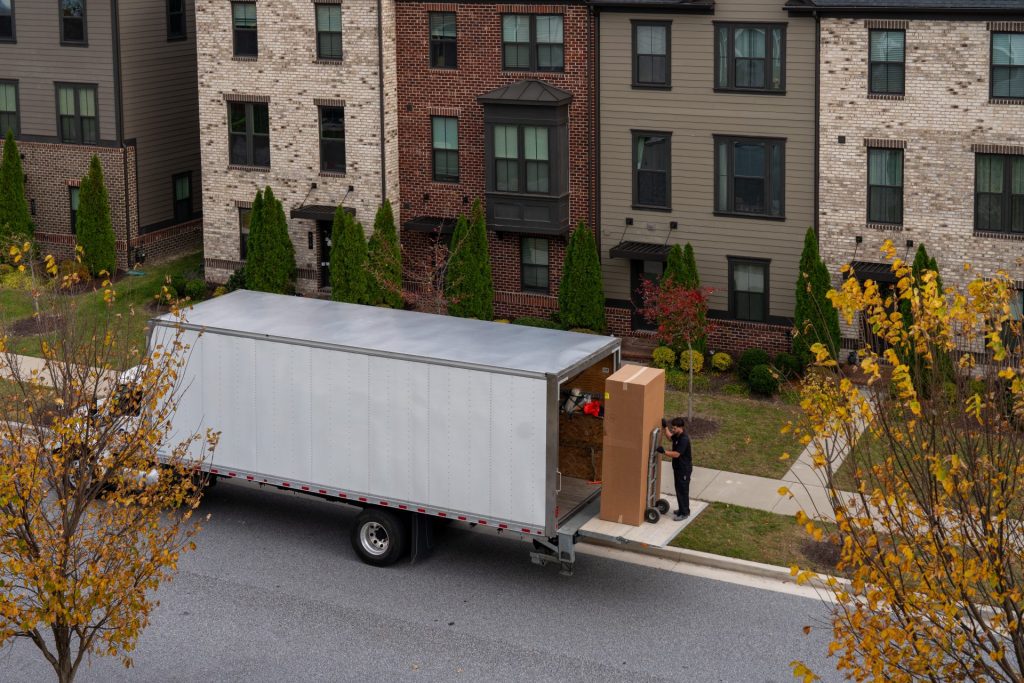
When a customer orders a mattress, couch, or large appliance, like a refrigerator, the buying journey doesn’t end with checking out or even in the warehouse. It’s inside the customer’s home where it comes to an end, and, for many brands and retailers, it could be the very first visible impression they have of the company. This step is what last mile delivery, also known as final mile delivery, entails.
Last mile delivery is the most complex and costly part of logistics for big and bulky products like furniture or mattresses. It’s during last mile deliveries that the risk of damaging a product will increase, or delivery becomes a major part of a customer’s experience or perception of a company.
In this blog post, we break down exactly how last mile delivery works for large items like mattresses, furniture, and appliances and why it matters more than ever for both businesses and customers.
What is Last Mile or Final Mile Delivery?
Last mile delivery refers to the final stage of the supply chain, where a product is transported from a distribution center to the customer’s doorstep, inside their home, or delivered to a jobsite during the construction process. For smaller consumer products, customers often receive their products on their porch, entryway, or apartment lobby, but for big and bulky products last mile delivery requires more steps.
It often includes:
- Trained and certified delivery teams
- Specialized trucks and equipment capable of handling big and bulky products
- Scheduled delivery windows that may require to be at home and prepared when the delivery is happening
- In-home setup and installation if the delivery involves premium or white glove services
Read our general guide for last mile delivery here.
Types of Delivery Services for Large Items
Choosing the right delivery service is just as important as the product itself, especially when dealing with large, heavy items like mattresses, furniture, and appliances. Not all last mile deliveries offer the same level of service, and the difference can significantly impact both cost and customer experience. From basic drop-off to full-service installation and haul-away, understanding the various delivery options available helps retailers set clear expectations and ensures customers get the level of convenience they need.
Threshold Delivery
Threshold deliveries are the most basic form of last mile deliveries. This is when products are dropped off at a customer’s residence, but specifically in the first dry, secure area. This could be a porch, foyer, or a garage depending on the customer’s home and what was requested.
Room-of-Choice Delivery
Room-of-choice delivery is a more premium service, as it allows the customer to choose where they want their product to be placed. Whether it’s a specific bedroom or a basement, the customer has more control over where they want their product to be placed during the delivery process.
White Glove Delivery
White glove deliveries are optimal for high-value products, as not only does it include putting the product where the customer wants it, but it also has increased packaging to protect the delivery, assembly, and debris removal after the fact. It’s white glove deliveries that often elevate the customer’s experience with the delivery process.
Read our blog post comparing white glove deliveries and threshold deliveries here.
Haul-Away Services
Haul-away services are often an additional charge with deliveries. With them, the delivery team will take away the customer’s old furniture or mattress and take care of disposing of it.
Cost Breakdown of Large Item Last Mile Delivery
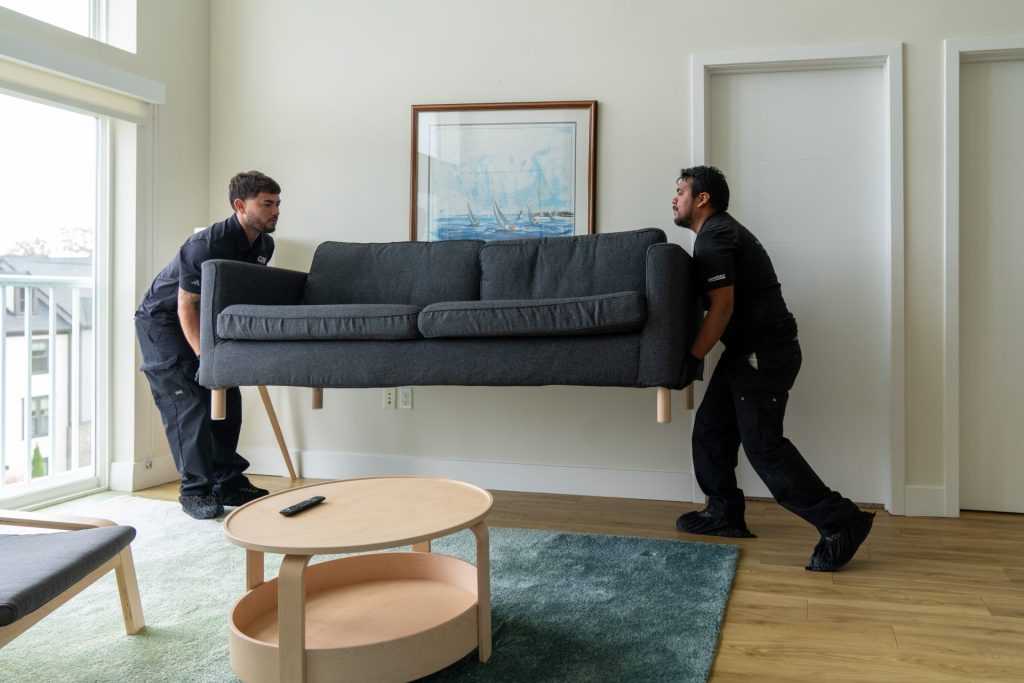
The cost of last mile delivery for large items is significantly higher than standard parcel shipping due to the complexity involved. Labor is one of the biggest factors, as most deliveries require two-person teams for safe handling and in-home service. Transportation costs also add up, with specialized trucks, fuel, and longer delivery times reducing route efficiency.
Technology investments—such as routing software and tracking systems—further contribute to operational costs. However, finding a 3PL or 4PL provider who offers real-time tracking and end-to-end visibility can be essential for understanding efficiency and strategy for last mile delivery. With real metrics in the moment, it reduces customer questions about where their order is at any moment.
Failed deliveries and returns can quickly erode margins, making efficiency and first-attempt success critical for profitability in large item logistics.
Customer Expectations for Big and Bulky Home Good Deliveries
Customer expectations for big and bulky home goods deliveries are higher than ever, driven by the convenience of two-day or same-day deliveries standardized by e-commerce platforms. Nowadays, customers don’t just expect their items to arrive. They want a seamless, stress-free experience from start to finish.
This includes accurate delivery windows, real-time tracking, and proactive communication throughout the process. Once the delivery team arrives, professionalism matters: customers expect courteous, well-trained crews who handle items with care and respect for their home.
Services like room-of-choice placement, assembly, and packaging removal are increasingly seen as standard rather than premium. Additionally, customers expect deliveries to be completed without damage or disruption, and issues to be resolved quickly if they arise.
In an era where customer expectations are sky-high, one bad delivery experience can lead to loss of business and a tarnished reputation. Finding the right 3PL for your operations should be seen as a business strategy and necessity, not something just to get products to customers.
Why the Last Mile is a Competitive Advantage in Heavy Goods
In the heavy goods industry, the last mile is no longer just a logistical step—it’s a powerful competitive advantage. For products like furniture, mattresses, and appliances, the delivery experience is often the only physical interaction a customer has with a brand. A smooth, professional last mile experience can build trust, increase customer satisfaction, and drive repeat business.
On the other hand, delays, damage, or poor service can quickly lead to negative reviews and lost revenue. Companies that invest in optimized routing, trained delivery teams, and value-added services like white-glove delivery stand out in a crowded market.
Strong last mile capabilities enable faster delivery times and greater flexibility, which are increasingly important to today’s consumers. In a space where products can be similar, the quality of delivery becomes a key differentiator that directly impacts brand loyalty and long-term growth.
Frequently Asked Questions
What is last mile delivery for large items?
Last mile delivery is the final stage of the supply chain, where a product moves from a distribution center to the customer’s doorstep, inside their home, or to a jobsite. For big and bulky goods like mattresses, furniture, and appliances, it requires more than a porch drop-off—it includes trained, certified delivery teams, specialized trucks and equipment, scheduled delivery windows, and in-home setup or installation for premium and white-glove services.
What are the different types of delivery services for large items?
There are four main tiers. Threshold delivery is the most basic, dropping the product in the first dry, secure area like a porch or garage. Room-of-choice delivery lets the customer choose where the item is placed. White-glove delivery, optimal for high-value products, adds protective packaging, assembly, and debris removal. Haul-away services, usually an added charge, remove and dispose of the customer’s old furniture or mattress.
Why does last mile delivery cost more for large items?
The complexity drives up cost. Labor is one of the biggest factors, since most deliveries require two-person teams for safe handling and in-home service. Specialized trucks, fuel, and longer delivery times reduce route efficiency, and technology investments like routing and tracking software add to operational costs. Failed deliveries and returns can quickly erode margins, making first-attempt success critical to profitability.
What do customers expect from big and bulky home goods deliveries?
Expectations are higher than ever, shaped by the two-day and same-day standards of e-commerce. Customers want a seamless, stress-free experience with accurate delivery windows, real-time tracking, and proactive communication, plus courteous, well-trained crews who handle items with care. Room-of-choice placement, assembly, and packaging removal are increasingly seen as standard rather than premium, and customers expect damage-free deliveries with quick issue resolution.
Why is the last mile a competitive advantage for heavy goods?
For furniture, mattresses, and appliances, the delivery experience is often the only physical interaction a customer has with a brand. A smooth, professional last mile builds trust, increases satisfaction, and drives repeat business, while delays, damage, or poor service lead to negative reviews and lost revenue. In a market where products can be similar, delivery quality becomes a key differentiator for brand loyalty and growth.
About CDS Logistics: Experts in Big and Bulky Last Mile Delivery
CDS Logistics is one of the largest providers of last mile delivery and fulfillment solutions in the United States. CDS’s headquarters is in Baltimore, Maryland, with 182 hubs nationwide. Over the past three decades, CDS has built expertise to make the company an industry leader specializing in big and bulky products. CDS’s proprietary, in-house technology and hands-on operational expertise provide results that are consistent, reliable, and proven to drive outstanding customer experiences.
Click the buttons below to learn more about the industries we serve, as well as the services we provide.
- How White-Glove Delivery Reduces Damage Claims on Heavy Fitness Equipment
- How Route Optimization Software Actually Cuts Delivery Costs
- In-Home Delivery vs. Threshold Delivery vs. Curbside: What’s the Difference?
- Jobsite Coordination: Why Builder Schedules Should Drive Your Delivery Windows
- How Window and Door Manufacturers Can Cut Damage Claims in Half

