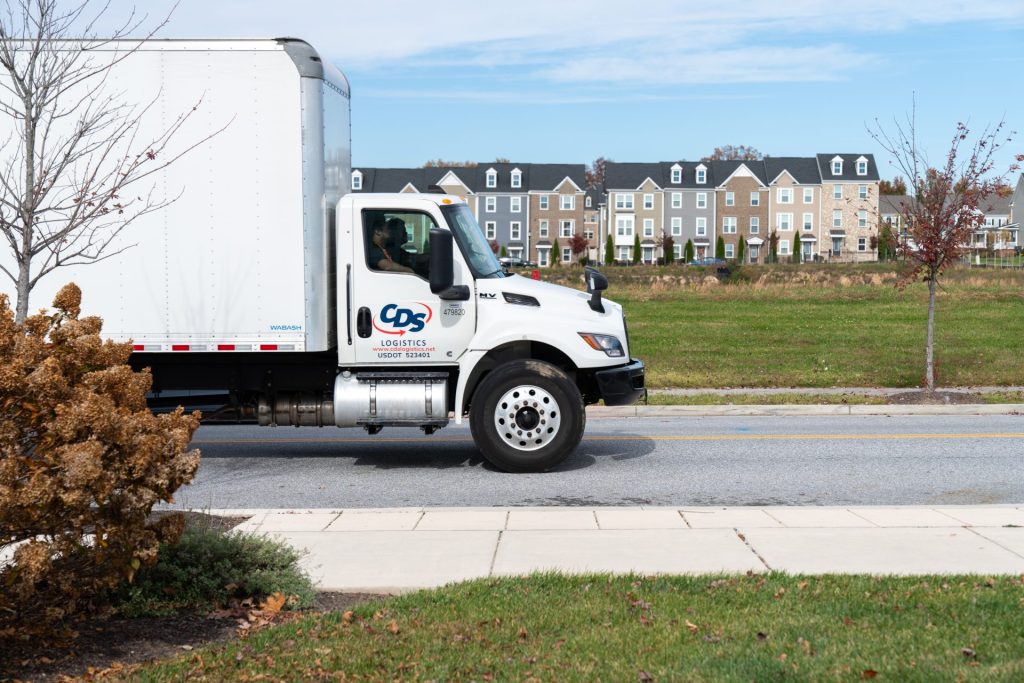
For decades, operating a private fleet was seen as a competitive advantage. Companies believed owning their delivery operations meant greater control over customer experience, cost management, and service quality. Today, that model is reaching a breaking point.
Rising insurance costs, driver shortages, unpredictable fuel prices, and growing delivery expectations are putting enormous pressure on traditional private fleets. What once offered stability and control is increasingly becoming a costly operational burden for companies.
Across industries and verticals, companies are discovering that the economics of private fleets are shifting. Many are now turning to a hybrid delivery model, combining the control of internal logistics with the flexibility of outsourced last mile delivery.
The result? Lower operational costs, more scalable networks, and more consistent delivery performance. Our latest white paper explains how exactly this happens.
Download the white paper below.
Private Fleet White Paper
Why Private Fleets Are Becoming Unsustainable and Strain Logistics Budgets
Running a private fleet today involves far more than owning trucks and hiring drivers. Modern logistics networks must deal with regulatory changes, rising operational costs, labor shortages, and rapidly shifting demand patterns. For many companies, these challenges are pushing the traditional fleet model to its limits. One of the biggest challenges facing private fleets is the steady increase in fixed operating costs.
Insurance premiums for commercial fleets have risen dramatically over the past several years, driven by accident frequency, litigation risks, and regulatory pressures. Maintenance and fuel costs continue to fluctuate, and together they can account for a large portion of a fleet’s operating expenses. Recruiting and training drivers also carries significant costs.
These expenses are largely fixed, meaning companies must pay them regardless of delivery volume. During slow periods, trucks and drivers may sit idle while still generating overhead costs. During peak periods, companies often lack enough capacity to meet demand and maintain costs efficiently.
The Driver Shortage Is Getting Worse
The trucking industry has been facing a growing labor shortage for years, and the problem shows no signs of slowing down. The average age of a truck driver in the United States is approaching 50, and a significant portion of the workforce is nearing retirement.
At the same time, fewer younger workers are entering the profession. Industry forecasts suggest the driver shortage could reach 160,000 drivers by 2030, creating serious challenges for companies that rely on in-house fleets.
Even when companies successfully recruit drivers, retention can be difficult. Private fleets experience turnover rates approaching 90% annually, creating constant hiring and training cycles.
High turnover also ultimately affects service quality. When experienced drivers leave, companies lose institutional knowledge and customer familiarity. This can lead to inconsistent delivery performance and negatively impact customer satisfaction and brand reputation.
Private Fleets Struggle to Scale
In today’s supply chains, flexibility is essential. Customer demand fluctuates based on seasonality, promotions, market conditions, and economic trends. At the same time, companies need delivery networks that can expand and contract quickly.
Private fleets, however, are typically built around fixed capacity. Many fleets operate at 70–80% utilization, leaving little room to absorb sudden demand spikes or new market opportunities.
Expanding a private fleet into new geographic markets can also be complicated. Companies must navigate different state regulations, hire local drivers, build operational infrastructure, and manage compliance requirements.
These challenges add administrative overhead and slow expansion efforts. Meanwhile, competitors using flexible delivery networks can enter new markets faster and scale more efficiently.
What Is a Hybrid Delivery Model?
To address these challenges, many companies are adopting a hybrid delivery strategy.
A hybrid delivery model combines elements of a private fleet with outsourced last mile logistics. Instead of relying entirely on internal drivers and trucks, companies use a network of professional delivery partners to handle certain parts of the operation.
For example, a company might:
- Use its own fleet for long-distance transportation
- Outsource last mile delivery in specific markets
- Use external delivery partners during peak demand periods
- Expand into new regions without building new fleet infrastructure
This approach allows companies to maintain operational control while gaining the flexibility of a scalable delivery network. Rather than replacing private fleets entirely, hybrid logistics models allow businesses to optimize how their delivery resources are used.

The Advantages of Hybrid Last Mile Delivery
Companies transitioning to hybrid delivery models are finding several key advantages that help improve both operational efficiency and customer experience.
Flexible Capacity Without Fixed Costs
One of the biggest benefits of hybrid delivery is flexibility.
Instead of maintaining excess trucks and drivers year-round, companies can scale delivery capacity based on actual demand. External delivery partners can support overflow volume during busy seasons or special promotions.
This variable-cost structure helps reduce the financial burden of maintaining a fully staffed fleet during slower periods. Companies also gain the ability to expand into new markets quickly without investing in new facilities, vehicles, and staff.
Stronger Customer Experience
Last mile delivery represents the final touchpoint between a brand and its customers.
When deliveries are delayed, mishandled, or inconsistent, it reflects directly on the company providing the product—not just the delivery provider.
Professional delivery networks invest heavily in training programs to ensure drivers meet brand standards and customer expectations.
These teams are often trained in specialized services such as:
- White glove delivery
- Product installation
- In-home delivery procedures
By standardizing the delivery experience, companies can maintain brand consistency while outsourcing operational complexity.
Technology Is Transforming Last Mile Logistics
Modern delivery networks are also leveraging advanced logistics technology to improve visibility and efficiency. Technology platforms provide barcode-level inventory tracking and real-time shipment visibility, allowing companies to monitor deliveries throughout the supply chain.
Here at CDS Logistics, our in-house technology enables:
- Real-time shipment tracking
- Improved route optimization
- Automated scheduling
- Customer delivery notifications
- Performance monitoring and analytics
For businesses managing complex delivery networks, this level of visibility can dramatically improve operational decision-making; it also enhances transparency for customers who increasingly expect accurate delivery updates.
Private Fleet vs Hybrid Delivery: A New Logistics Strategy
When comparing traditional fleets to hybrid models, the differences are becoming increasingly clear.
Private fleets often struggle with:
- Driver recruitment and retention
- High fixed operating costs
- Expansion complexity across multiple markets
- Service inconsistency caused by turnover
- Limited scalability
Hybrid delivery networks offer advantages such as:
- Variable delivery costs tied to demand
- Access to trained local delivery teams
- Rapid geographic expansion capabilities
- Improved delivery visibility and tracking
- Flexible network design for peak demand
For companies facing rising logistics costs, hybrid models provide a way to modernize delivery operations without sacrificing control.
How Companies Can Transition to Hybrid Delivery
Transitioning from a fully private fleet to a hybrid delivery model doesn’t have to happen overnight. Many companies start by introducing hybrid logistics in targeted areas.
Pilot Programs
Testing hybrid delivery in one region allows companies to measure cost savings, service performance, and operational impact before expanding further.
Overflow Support
Companies can also use hybrid delivery partners to handle seasonal spikes or unexpected demand surges.
Market Expansion
When entering new markets, hybrid delivery networks allow companies to establish service quickly without building local fleet infrastructure.
Full Hybrid Transition
Over time, some companies shift more of their delivery operations to flexible network models, reducing their reliance on fixed fleet assets. This gradual approach helps minimize risk while maximizing operational improvements.
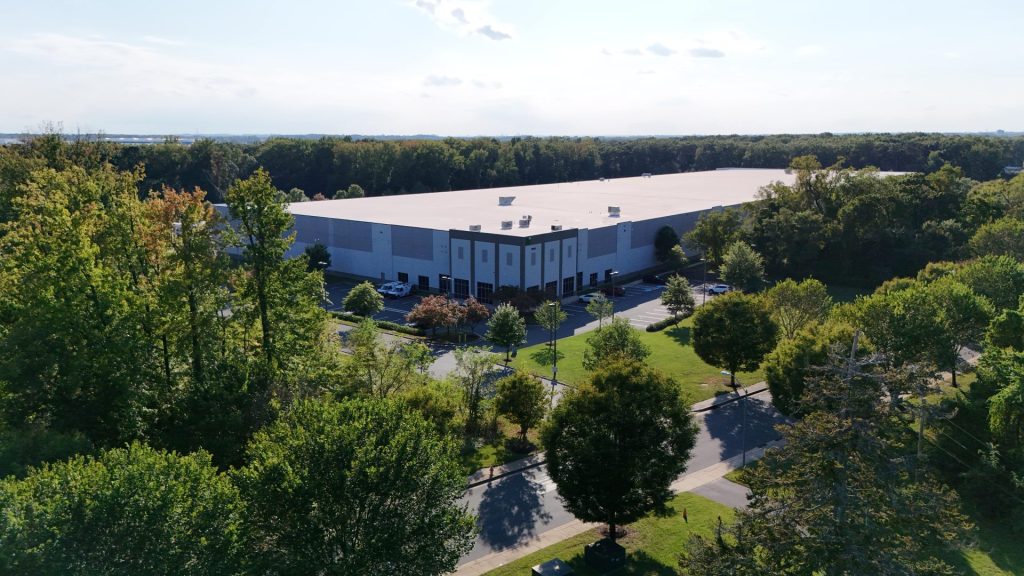
About CDS Logistics: Experts in Big and Bulky Last Mile Delivery
CDS Logistics is one of the largest providers of last mile delivery and fulfillment solutions in the United States. CDS’s headquarters is in Baltimore, Maryland, with 182 hubs nationwide. Over the past three decades, CDS built expertise to make the company an industry leader specializing in big and bulky products. CDS’s proprietary, in-house technology and hands-on operational expertise provide results that are consistent, reliable, and proven to drive outstanding customer experiences.
Click the buttons below to learn more about the industries we serve, as well as the services we provide.

