Cabinet delivery is among the hardest challenges in home goods logistics: heavy, fragile products in 20+ box sets needing scheduled, inside delivery. Once run on spreadsheets and paper, it’s now reshaped by real-time tracking, AI route optimization, digital proof of delivery, and automated communication—cutting failed deliveries by 40% and moving toward proactive damage prevention.
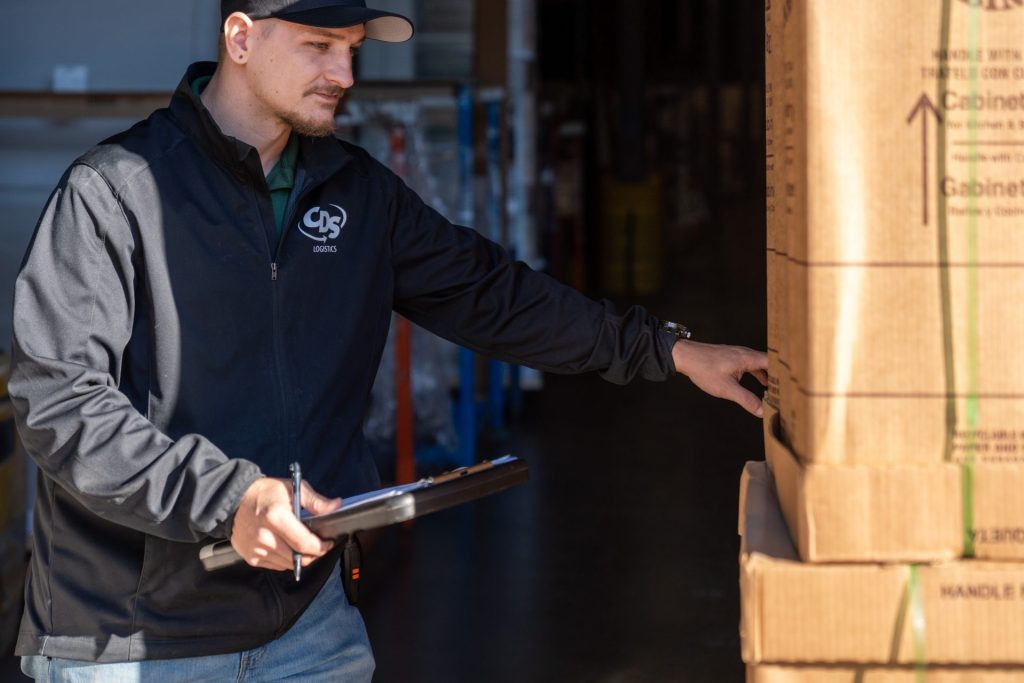
Delivering cabinets is one of the most complex challenges in home goods logistics. These products, which are heavy, bulky, and fragile, have long been plagued by damage, missed appointments, and frustrated customers. And it’s understandable: redoing a kitchen is an expensive investment for customers, and it can be high stakes when their dream kitchen cabinets don’t arrive as expected—or don’t come at all.
But a wave of new technology is reshaping every step of the cabinet last mile delivery process, from the warehouse dock to the homeowner’s kitchen or active jobsites. This change is a welcome one in some ways, as customer expectations are higher than ever, with real-time visibility and active communication becoming standard and not an extra add-on.
In this post, we’re outlining how and why last mile delivery for cabinets is evolving with technology, especially in the age of artificial intelligence.
Why cabinet delivery is uniquely difficult
Cabinets are oversized, heavy, often shipped in multi-piece sets, and highly susceptible to damage from improper handling. A single kitchen order might involve 20 or more individual boxes, and each one of those boxes can be a potential failure point throughout the delivery process.
On top of that, cabinet deliveries almost always require scheduled appointments, inside delivery, and sometimes even room-of-choice placement. That means tighter coordination, more touchpoints, and higher stakes when something goes wrong. Customers must work within these stricter parameters as well so delivery teams can have access to their homes, or, in the case of a jobsite delivery, meet construction deadlines.
Traditionally, this complexity was managed with spreadsheets, phone calls, and paper delivery tickets, which can be a recipe for miscommunication and inefficiency. Technology is changing this quickly, optimizing the cabinet delivery process in a myriad of ways.
11%
3x
40%
Real-time tracking and delivery visibility
One of the most impactful changes in cabinet last mile delivery has been the move toward real-time shipment tracking. Historically, customers placing large cabinet orders had little visibility into where their shipment was other than a vague “3–5 business day” window. That ambiguity caused anxiety, unnecessary calls to customer service, and, when deliveries were missed, costly re-delivery fees.
Today, GPS-integrated fleet management platforms give both carriers and end customers live updates on shipment location. When customers receive automated day-of delivery notifications with a 2–4-hour arrival window, first-attempt delivery success rates can increase by 20–30%, dramatically reducing the cost of re-delivery on heavy freight.
For cabinet dealers and manufacturers, this visibility also extends back up the supply chain. Integrated tracking portals allow dealers to monitor dealer-to-customer shipments without needing to make individual calls to the carrier, reducing back-office workload and improving the customer experience simultaneously.
Route optimization and AI-powered dispatch
Routing a fleet of delivery trucks that carry oversized cabinet freight is a multivariable puzzle. Drivers need routes that account for delivery windows, truck capacity, traffic, and the physical constraints of white-glove appointments, which take far longer than standard drop-offs. Legacy routing software, or worse, manual dispatching, often produces routes that are inefficient
Modern AI-powered route optimization platforms can ingest appointment windows, truck weight limits, address accessibility data, and real-time traffic conditions to generate optimized multi-stop routes in seconds. For last mile cabinet carriers, this translates directly to more stops per truck per day, lower fuel costs, and fewer late deliveries, making it a long-term strategy to invest in the right technology despite the high initial costs.
Here at CDS, this manifests in the CDS Vision Suite™, which is our in-house and proprietary technology. It’s something we’ve been developing for operators by operators; read about the Vision Suite™ here.
Digital proof of delivery and damage documentation
In the world of cabinet freight, damage claims are an unavoidable reality. But how those claims are managed, and who bears the cost, often comes down to documentation. For years, the industry relied on paper delivery receipts and verbal notes to capture delivery conditions. That created enormous ambiguity when damage disputes arose weeks later.
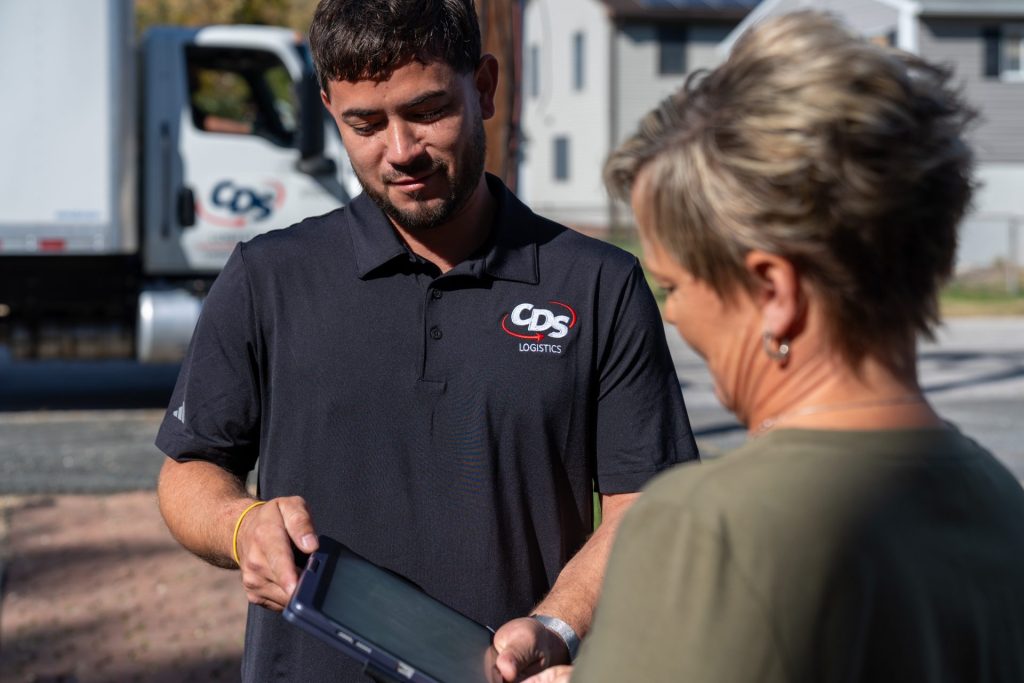
Digital proof of delivery (POD) platforms has transformed this process. Drivers now use mobile apps to capture timestamped photos of delivered items, collect electronic signatures, and log delivery notes, which are all automatically synced to a cloud-based record accessible to the carrier, dealer, and customer in real time.
Why this matters for cabinets specifically: when damage is documented at the point of delivery with photos and a signed acknowledgment, both freight claims and insurance disputes are resolved dramatically faster—often in days rather than weeks. It also creates a clear accountability chain that protects carriers and dealers from fraudulent claims.
Some platforms have also taken this further with AI-assisted damage detection. Using computer vision trained on thousands of freight damage images, these tools can flag photos that show potential damage automatically, prompting drivers to capture additional documentation before leaving the delivery site.
Warehouse tech and pre-shipment inspection
Most cabinet damage doesn’t happen on a truck: it occurs before a shipment even leaves the warehouse. Improper stacking, inadequate wrapping, and mishandled loading can all create damage that won’t be discovered until a homeowner potentially opens a box in their kitchen.
Technology is addressing this at the warehouse level too. Barcode and RFID scanning systems create a digital audit trail for every cabinet set that moves through a distribution center. Photo-based inspection workflows—which are triggered automatically when an order is pulled for shipment—ensure that every unit is visually checked and documented before it’s loaded onto a truck.
Warehouse management systems (WMS) purpose-built for bulky freight can flag fragile SKUs, enforce specific handling protocols for certain product lines, and even alert supervisors when loading sequences deviate from the prescribed plan. For cabinet manufacturers shipping direct-to-consumer, this level of pre-shipment quality control is quickly becoming a competitive differentiator.
Customer communication automation
The customer experience around cabinet delivery has historically been poor, and not because carriers didn’t care, but because the communication tools didn’t exist to keep customers informed at every step. A kitchen remodel is a major life event, and homeowners can be anxious about their cabinet delivery, when it’s going to arrive, and what condition it will come in.
Automated customer communication platforms are changing that. From order confirmation to shipment pickup, transit updates, delivery scheduling, day-of reminders, and post-delivery follow-up, every touchpoint can potentially be automated. The use of SMS, email, or in-app notification, without a single manual call from a customer service rep, also frees up reps to tackle other pressing issues in the moment.
What’s next: the future of cabinet delivery tech
The technology transforming cabinet last mile delivery today is impressive, but it’s still in its early development stage. Several emerging technologies are poised to further reshape the industry over the next several years.
Predictive damage analytics will allow carriers to identify high-risk shipments before they leave the warehouse, based on product type, packaging condition, route length, and historical damage data for specific lanes. This moves the industry from reactive damage management to proactive prevention.
Integrated dealer platforms will eliminate the gaps in communication that currently cause most service failures. Instead of three separate systems with three separate teams making phone calls, a single platform will orchestrate the entire fulfillment chain from factory to installation.
IoT-enabled packaging is still in its early stages in terms of development. Shock and tilt sensors embedded in shipments can detect and timestamp rough handling events during transit, creating an objective record of exactly where in the supply chain damage occurred, removing ambiguity from the claims process entirely.
Why is cabinet delivery uniquely difficult?
Cabinets are oversized, heavy, often shipped in multi-piece sets, and highly susceptible to damage from improper handling—a single kitchen order can involve 20 or more boxes, each a potential failure point. Deliveries almost always require scheduled appointments, inside delivery, and sometimes room-of-choice placement, meaning tighter coordination, more touchpoints, and higher stakes when something goes wrong.
How much does technology reduce cabinet delivery failures and damage?
The impact is measurable: freight-shipped cabinetry without tech-enabled handling protocols sees an 11% average damage rate, three times more delivery attempts are required when real-time customer notifications are absent, and carriers using AI-optimized routing report a 40% reduction in failed deliveries. Automated day-of notifications with a 2–4-hour window can increase first-attempt success rates by 20–30%.
How does digital proof of delivery help with cabinet damage claims?
Digital proof of delivery replaces paper receipts and verbal notes with timestamped photos, electronic signatures, and delivery notes synced to a cloud record accessible to carrier, dealer, and customer in real time. When damage is documented at the point of delivery, freight claims and insurance disputes resolve in days rather than weeks, and it creates an accountability chain that protects against fraudulent claims.
Where does most cabinet damage actually occur?
Most cabinet damage doesn’t happen on the truck—it occurs before a shipment leaves the warehouse, through improper stacking, inadequate wrapping, or mishandled loading, and often isn’t discovered until a homeowner opens a box. Technology addresses this with barcode and RFID audit trails, automated photo-based inspection workflows, and warehouse management systems that flag fragile SKUs and enforce handling protocols.
How does automated communication improve the cabinet delivery experience?
A kitchen remodel is a major life event, and homeowners are often anxious about when cabinets will arrive and in what condition. Automated platforms cover every touchpoint—order confirmation, pickup, transit updates, scheduling, day-of reminders, and post-delivery follow-up—via SMS, email, or in-app notification without a manual call, reducing anxiety while freeing service reps to handle other pressing issues.
What’s next for cabinet delivery technology?
Several emerging technologies will move the industry from reactive damage management to proactive prevention: predictive damage analytics that flag high-risk shipments before they leave the warehouse based on product type, packaging, route, and lane history; integrated dealer platforms that orchestrate the entire fulfillment chain from factory to installation; and IoT-enabled packaging with shock and tilt sensors that timestamp rough handling and pinpoint exactly where damage occurred.
About CDS Logistics: Experts in Big and Bulky Last Mile Delivery
CDS Logistics is one of the largest providers of last mile delivery and fulfillment solutions in the United States. CDS’s headquarters is in Baltimore, Maryland, with 182 hubs nationwide. Over the past three decades, CDS has built expertise to make the company an industry leader specializing in big and bulky products. CDS’s proprietary, in-house technology and hands-on operational expertise provide results that are consistent, reliable, and proven to drive outstanding customer experiences.
Click the buttons below to learn more about the industries we serve, as well as the services we provide.
- How White-Glove Delivery Reduces Damage Claims on Heavy Fitness Equipment
- How Route Optimization Software Actually Cuts Delivery Costs
- In-Home Delivery vs. Threshold Delivery vs. Curbside: What’s the Difference?
- Jobsite Coordination: Why Builder Schedules Should Drive Your Delivery Windows
- How Window and Door Manufacturers Can Cut Damage Claims in Half

