Threshold delivery is a streamlined, lower-cost option that places items in the first dry, accessible area—a porch, garage, or entryway—leaving setup to the customer. White glove delivery is a premium, hands-on service including room-of-choice placement, unpacking, full assembly or installation, and packaging removal. The right tier balances cost, brand positioning, and customer loyalty
When customers purchase furniture, appliances, or oversized items, delivery is more than just a drop-off — it’s part of the overall experience. While both ensure items arrive safely and on time, the level of care, convenience, and in-home support varies significantly. Understanding these differences can help you choose the delivery option that best fits your needs, space, and schedule.
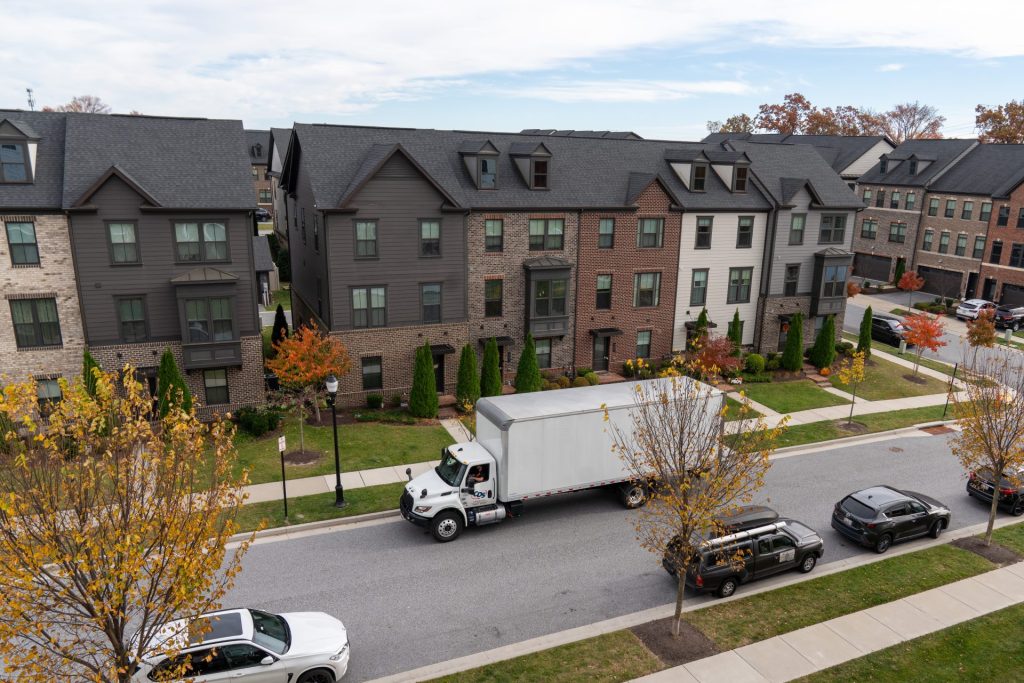
Threshold delivery is a streamlined option designed for efficiency. Products are delivered to the first dry, accessible area of a home, such as a porch, garage, or entryway. From there, placement and setup are the customer’s responsibility. However, white glove delivery is a more hands-on experience.
We’ve made this resource on when to consider one type of delivery over the other, especially when it can be a differentiator for brands and companies looking to elevate customer perception and experience.
What Services Are Included in White Glove Delivery?
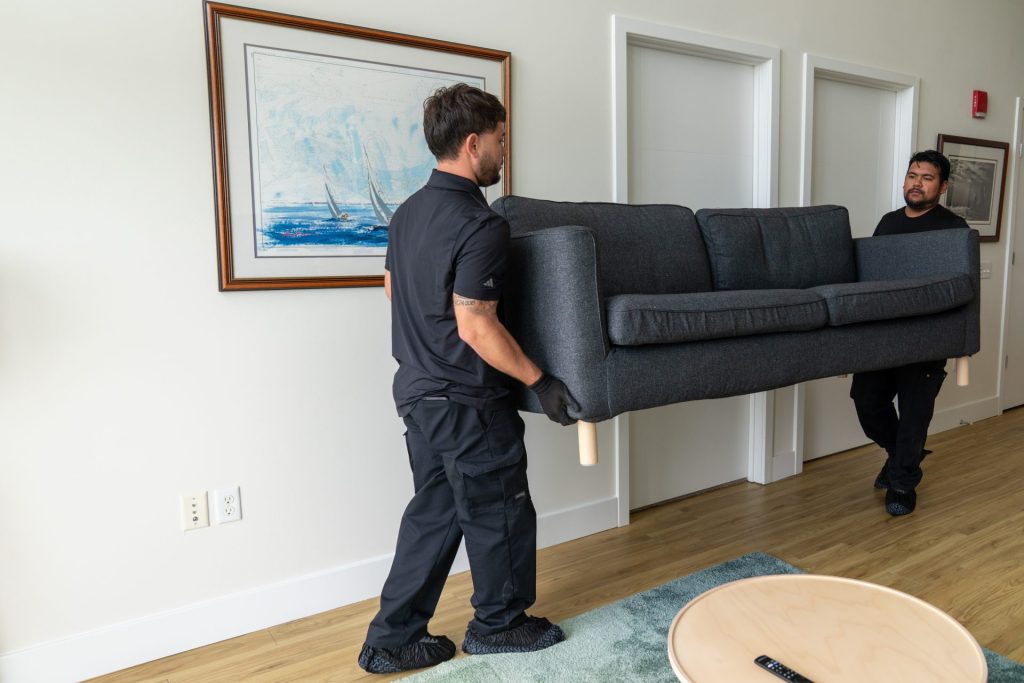
White glove delivery is a premium service providing a seamless, stress-free experience from start to finish. Unlike standard curbside or doorstep shipping, white glove delivery typically includes in-home delivery to the room of choice, professional unpacking, full assembly or installation, and removal of all packaging materials. This ultimately makes the price of this service more expensive,
Typically, high-value and fragile items are included in white glove delivery, such as furniture, appliances, and fitness equipment. These products require more nuance during the delivery process, as they are more fragile, often custom-made, and are more expensive. Otherwise, the likelihood of them being damaged or needing to be replaced is higher.
What Services Are Included in Threshold Delivery?
The basic definition of threshold delivery is this: when a product is being delivered to the final customer’s home, it’s often left at the threshold. That could be an apartment building lobby, a front porch, or a garage—wherever it is most accessible for the delivery team, or where the customer requested the product to be placed. It often requires some coordination, as threshold deliveries aim to place the delivery in a safe, dry area.
Unlike white glove delivery, threshold delivery does not include unpacking, assembly, installation, or removal of packaging materials. It’s often ideal for homeowners and renters who want more convenience than curbside delivery and want to potentially keep costs lower than what they would be with a white glove delivery. However, they would have to bring in and set up the product themselves without any assistance from the delivery provider.
Cost Comparison: White Glove Delivery vs. Threshold Delivery
When evaluating the cost of white glove delivery vs. threshold delivery, businesses must consider how service level impacts both operational expenses and customer satisfaction. Threshold delivery is a cost-effective solution that includes scheduled residential delivery and placement inside the first dry, secure area, making it ideal for retailers and eCommerce brands looking to control last-mile logistics costs while still offering added convenience beyond curbside.
White glove delivery, while priced at a premium, includes in-home placement, professional assembly or installation, product inspection, and debris removal—delivering a high-touch experience that can reduce returns, minimize damage claims, and increase customer satisfaction scores.
For companies selling large, high-value items such as furniture, appliances, or fitness equipment, choosing the right delivery tier is a strategic decision that balances shipping costs, brand positioning, and long-term customer loyalty.
When Should You Choose White Glove Delivery?
Threshold delivery may be more ideal for those looking for a cost-effective measure when shipping products, especially if what is being shipped doesn’t necessarily need to be assembled on the spot or require extra care. A product a customer might need to immediately use would also be ideal for white glove delivery, as it will be assembled on the spot.
However, customer expectations when it comes to delivery are continuing to increase throughout the years. Deliveries can be an experience that elevates a brand’s scope and reach, especially when it’s the most visible part of the buying process. A poor delivery experience can turn customers away, and the white glove experience can protect and enhance a brand’s reputation and legacy in the long run.
Delivery Speed and Scheduling: How Do They Compare?
Standard and threshold delivery services often offer faster fulfillment windows because they require less coordination, with flexible drop-off timeframes and minimal setup involved. A threshold delivery can potentially be made without the customer being present, allowing a wider range of delivery times that can expedite the process.
A white glove delivery has more moving parts to it and needs active participation from both the delivery partner and the customer, especially if a product is being delivered to a residential home. While premium services may take slightly longer to arrange and have stricter schedules, they provide greater scheduling precision, personalized coordination, and a smoother customer experience.
Understanding the differences between white glove and threshold deliveries is critical for business strategy. Not only can it be cost effective, but it can change public perceptions of a brand, taking the buying and delivery experience to the next level.
Frequently Asked Questions
What services are included in white glove delivery?
White glove delivery is a premium service providing a seamless, stress-free experience from start to finish. Unlike standard curbside or doorstep shipping, it typically includes in-home delivery to the room of choice, professional unpacking, full assembly or installation, and removal of all packaging materials, which makes it more expensive. It’s typically used for high-value, fragile items like furniture, appliances, and fitness equipment that require more nuance and are more prone to damage.
What services are included in threshold delivery?
Threshold delivery places a product at the threshold of the customer’s home—an apartment building lobby, front porch, or garage—wherever is most accessible for the delivery team or where the customer requested. It aims to place the item in a safe, dry area and requires some coordination. Unlike white glove delivery, it does not include unpacking, assembly, installation, or packaging removal, so the customer brings in and sets up the product themselves.
How do the costs of white glove and threshold delivery compare?
Threshold delivery is a cost-effective solution that includes scheduled residential delivery and placement inside the first dry, secure area, making it ideal for retailers and eCommerce brands looking to control last-mile costs while offering convenience beyond curbside. White glove delivery is priced at a premium but includes in-home placement, professional assembly or installation, product inspection, and debris removal—a high-touch experience that can reduce returns, minimize damage claims, and increase customer satisfaction scores.
When should you choose white glove delivery over threshold delivery?
Threshold delivery is ideal when shipping cost-effectively and the product doesn’t need on-the-spot assembly or extra care. White glove is the better choice for products a customer needs to use immediately, since they’re assembled on arrival. With customer delivery expectations rising every year, the delivery itself can elevate a brand’s reach—a poor experience turns customers away, while white glove protects and enhances a brand’s reputation long term.
How do delivery speed and scheduling compare?
Standard and threshold delivery often offer faster fulfillment windows because they require less coordination, with flexible drop-off timeframes and minimal setup—and a threshold delivery can potentially be completed without the customer present, widening the range of delivery times. White glove delivery has more moving parts and needs active participation from both the delivery partner and customer, so while it may take slightly longer to arrange with stricter schedules, it provides greater scheduling precision, personalized coordination, and a smoother experience.
About CDS Logistics: Experts in Big and Bulky Last Mile Delivery
CDS Logistics is one of the largest providers of last mile delivery and fulfillment solutions in the United States. CDS’s headquarters is in Baltimore, Maryland, with 182 hubs nationwide. Over the past three decades, CDS built expertise to make the company an industry leader specializing in big and bulky products. CDS’s proprietary, in-house technology and hands-on operational expertise provide results that are consistent, reliable, and proven to drive outstanding customer experiences.
Click the buttons below to learn more about the industries we serve, as well as the services we provide.
- How White-Glove Delivery Reduces Damage Claims on Heavy Fitness Equipment
- How Route Optimization Software Actually Cuts Delivery Costs
- In-Home Delivery vs. Threshold Delivery vs. Curbside: What’s the Difference?
- Jobsite Coordination: Why Builder Schedules Should Drive Your Delivery Windows
- How Window and Door Manufacturers Can Cut Damage Claims in Half

