Big and bulky products—furniture, appliances, cabinets, fitness equipment, building materials—require specialized storage, handling, transportation, and final mile delivery. Flexible fulfillment integrates warehousing, distribution, and last mile into one ecosystem with national reach and local execution, unified inventory visibility, and reliable delivery. For these brands, it’s no longer an advantage but a necessity and differentiator.
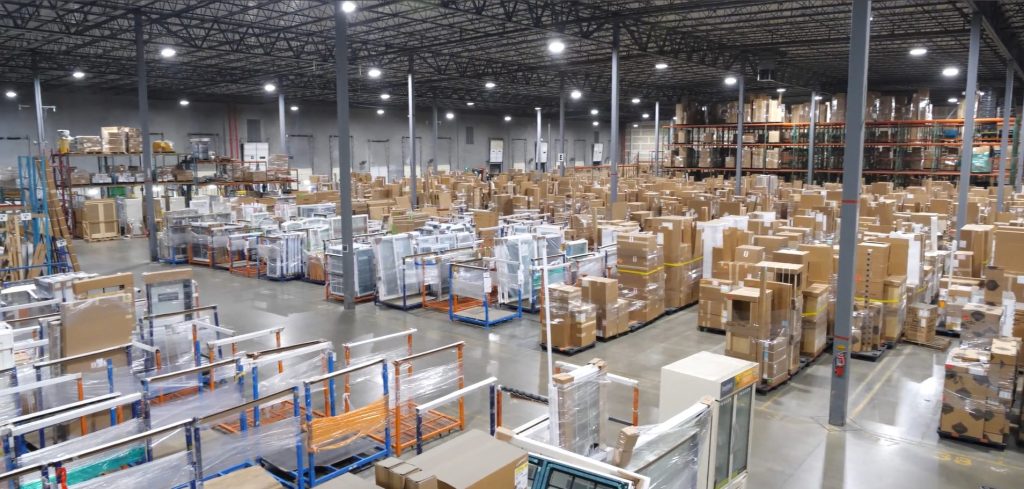
For many companies, last mile delivery and fulfillment remain a pain point, especially for big and bulky products.
Companies specifically selling furniture, appliances, cabinets, fitness equipment, or building materials must solve a much more complex logistics puzzle than brands shipping small packages. Oversized items require specialized storage, careful handling, coordinated transportation, and professional final mile delivery.
Today’s consumers expect fast delivery, real-time tracking, and seamless service, regardless of product size. Meeting these expectations requires a fulfillment strategy that’s flexible, scalable, and designed specifically for large-format products. Modern fulfillment networks solve this problem by integrating warehousing, distribution, and final mile delivery into a single logistics ecosystem capable of handling products of various weights and sizes.
For brands operating in big and bulky industries, flexible fulfillment is no longer a competitive advantage. It’s a necessity and brand differentiator. Our latest white paper breaks down and outlines that advantage. Download it below and continue reading this resource to learn more.
Flexible Fulfillment at Scale: Solving Logistics for Big & Bulky Brands
National Scale and Reach, Local Execution and Deliveries
Being able to actively reach customers across the market, in different regions, is an ongoing pain point for many brands. Companies find themselves unable to scale their business without a central hub in the region they want to expand into, which increases the significance of having a fulfillment and last mile delivery partner with both national and local reach.
Instead of having delivery trucks go back and forth from a distant warehouse, having a local hub with products not only helps with supply and demand, but it also helps increase delivery speeds. In an era where customer expectations are high, especially when it comes to delivery speed and costs, having this local reach is a major benefit for long-term business strategy in certain markets.
Inventory Visibility and Technology Decreases Friction
One of the biggest challenges brands face is inventory fragmentation across multiple providers. When inventory is spread across warehouses, systems, and providers, companies lose visibility and efficiency.
A unified fulfillment system eliminates these issues, as well as prpviding additional benefits from the right investment in technology. Having technology that offers real-time tracking, while deliveries are out on the road, and real-time inventory management, opens new opportunities for strategic planning and demand forecasting.
For example, if a company didn’t have the right inventory one year during peak season, having real-time information about inventory can allow them to allocate an adequate amount of product before demand hits.
With integrated warehousing, inventory management, and distribution, brands can also maintain a single inventory pool that serves multiple channels simultaneously.
Build a Logistics Strategy That Supports Long-Term Growth
Supply chain performance is one of the most critical drivers of business growth. Organizations that invest in flexible fulfillment infrastructure gain the ability to scale operations efficiently while maintaining high service levels.
By integrating warehousing, freight coordination, and last mile delivery into one seamless system, companies can transform logistics from a cost center into a competitive advantage.
Oversized products require a specialized logistics strategy, and the right partner can make the difference between operational complexity and operational efficiency.
Real-World Impact: Faster Operations and Better Results
Flexible fulfillment doesn’t just improve logistics—it improves business performance.
For example, a national builder partnered with CDS Logistics to forward deploy materials across multiple regions. By strategically staging inventory closer to job sites, the company reduced construction delays by 37% through next-day jobsite delivery. Across industries, similar benefits are common.
Forward deployment strategies have been shown to deliver:
- 20–40% reductions in construction delays
- 15–25% improvements in cycle times
- Lower inventory holding costs through dynamic allocation
These improvements directly impact revenue, operational efficiency, and customer satisfaction.
Reliable Last Mile Delivery Protects Brands and Builds a Legacy
Last mile delivery has always been the most visible part of a customer’s buying process. It’s when their product arrives at their front door, and if it goes poorly, then their perception of the brand often sours. That’s why it’s critical to turn deliveries into a positive, memorable experience customers will remember.
Here at CDS Logistics, one of our core guiding principles is that we treat customer orders like our own. We know how disappointing it can be when the dream kitchen cabinets you invested in arrived damaged—we’ve been in that spot ourselves as consumers.
And this philosophy reflects in our numbers. We currently have:
- 182 Hubs Across the Country
- A 4.9 out of 5.0 Customer Satisfaction Score
- 99% On-Time Delivery Score
- 99% Scanning Compliance Rate
Frequently Asked Questions
Why do big and bulky brands need a specialized fulfillment strategy?
Companies selling furniture, appliances, cabinets, fitness equipment, or building materials face a far more complex logistics puzzle than brands shipping small packages. Oversized items require specialized storage, careful handling, coordinated transportation, and professional final mile delivery. Meanwhile, consumers expect fast delivery, real-time tracking, and seamless service regardless of product size, which demands a fulfillment strategy that’s flexible, scalable, and designed specifically for large-format products.
Why does national reach with local execution matter?
Reaching customers across different regions is an ongoing pain point, since brands often can’t scale without a hub in the market they want to enter. A partner with both national and local reach solves this: instead of trucks traveling back and forth from a distant warehouse, a local hub stocked with products improves supply-and-demand balance and increases delivery speeds—a major benefit when customer expectations for speed and cost are high.
How does inventory visibility reduce friction in fulfillment?
One of the biggest challenges is inventory fragmentation across multiple warehouses, systems, and providers, which costs companies visibility and efficiency. A unified fulfillment system with real-time tracking and real-time inventory management eliminates this and opens opportunities for strategic planning and demand forecasting—for example, allocating enough product before peak-season demand hits. Integrated warehousing, inventory, and distribution let brands maintain a single inventory pool serving multiple channels at once.
What measurable results does flexible fulfillment deliver?
Flexible fulfillment improves business performance, not just logistics. One national builder partnered with CDS Logistics to forward deploy materials across regions, staging inventory closer to job sites and reducing construction delays by 37% through next-day jobsite delivery. Across industries, forward deployment strategies commonly deliver 20–40% reductions in construction delays, 15–25% improvements in cycle times, and lower inventory holding costs through dynamic allocation.
How does reliable last mile delivery protect a brand?
Last mile delivery is the most visible part of the buying process—when the product arrives at the customer’s door—and a poor experience sours their perception of the brand. Turning deliveries into a positive, memorable experience is critical. CDS Logistics operates on the principle of treating customer orders like its own, reflected in 182 hubs nationwide, a 4.9 out of 5.0 customer satisfaction score, a 99% on-time delivery score, and a 99% scanning compliance rate
About CDS Logistics: Experts in Big and Bulky Last Mile Delivery
CDS Logistics is one of the largest providers of last mile delivery and fulfillment solutions in the United States. CDS’s headquarters is in Baltimore, Maryland, with 182 hubs nationwide. Over the past three decades, CDS built expertise to make the company an industry leader specializing in big and bulky products. CDS’s proprietary, in-house technology and hands-on operational expertise provide results that are consistent, reliable, and proven to drive outstanding customer experiences.
Click the buttons below to learn more about the industries we serve, as well as the services we provide.
- How White-Glove Delivery Reduces Damage Claims on Heavy Fitness Equipment
- How Route Optimization Software Actually Cuts Delivery Costs
- In-Home Delivery vs. Threshold Delivery vs. Curbside: What’s the Difference?
- Jobsite Coordination: Why Builder Schedules Should Drive Your Delivery Windows
- How Window and Door Manufacturers Can Cut Damage Claims in Half

