Regional fulfillment stores inventory across multiple centers in different areas, shipping each order from the closest facility. Shorter distances mean faster transit—one or two days instead of four or five—without expedited costs. It also cuts shipping zones, lowers carrier rates, boosts repeat purchases, and adds resilience against disruptions affecting a single warehouse.
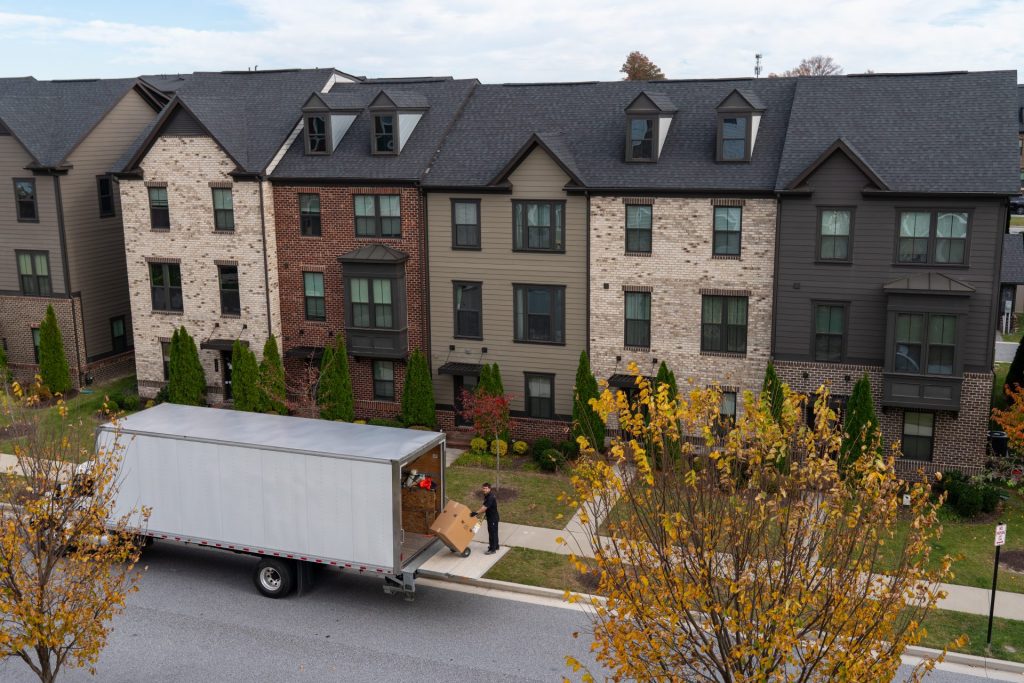
For retailers competing in an era of next-day expectations, how fast products are shipped is just as important as what’s being sold. Yet most retailers are still absorbing the cost of shipping orders coast-to-coast from a single warehouse, paying premium carrier rates across five, six, or seven shipping zones just to get a package to a customer two states away.
Those costs add up fast, and they compound directly against margins on every single order. Regional fulfillment changes that equation. By positioning inventory closer to where customers live, you can cut zone counts, reduce per-order shipping costs, and deliver faster at the same time.
This blog post breaks down how regional fulfillment works, why it’s become a critical strategy for delivery speed and cost control, and how to evaluate whether it’s the right move for your operation.
Why Delivery Speed Is a Competitive Advantage in Modern Retail
Speed is no longer a perk; it’s a baseline expectation. Today’s shoppers have been conditioned by two-day, next-day, and even same-day delivery, and they make purchasing decisions accordingly. A slow shipping estimate is often enough to send a customer straight to a competitor.
For retailers, this creates both pressure and opportunity. The brands that invest in faster, more reliable fulfillment don’t just retain customers. They use delivery as a brand differentiator and outpace their competitors. Fast delivery reduces cart abandonment, increases repeat purchase rates, and builds the kind of trust that turns one-time buyers into loyal advocates.
Customer Expectations Have Never Been Higher
According to industry research, most online shoppers expect delivery within two days, and a growing segment expects same-day options. More telling: a significant portion of shoppers say they’ve abandoned a cart specifically because estimated shipping times were too long.
This expectation gap between what customers want and what many retailers can deliver is one of the costliest problems in modern eCommerce. Regional fulfillment is one of the most effective ways to close it.
What Is Regional Fulfillment? (And How It Works)
Regional fulfillment is a distribution strategy where inventory is stored across multiple fulfillment centers positioned in different geographic areas — rather than consolidated in one or two central warehouses. When a customer places an order, it ships from the facility closest to their location.
The result: shorter distances, fewer shipping zones, and dramatically faster transit times.
The Difference Between Centralized and Regional Fulfillment Networks
In a centralized fulfillment model, all inventory lives in one or two large warehouses strategically placed near major transportation hubs. This approach is straightforward to manage and works well at lower order volumes. But it has a major limitation: geography. A customer on the West Coast ordering from an East Coast warehouse is always going to face longer transit times and higher shipping costs.
In a regional fulfillment model, inventory is distributed across multiple smaller fulfillment centers. Each center serves customers in its region, minimizing the distance every package must travel. The tradeoff adds to operational complexity.
You’re managing inventory across multiple locations, which requires tighter coordination. But for retailers with national or broad geographic customer bases, the speed and cost advantages far outweigh the complexity.
How Inventory Is Distributed Across Fulfillment Centers
Effective regional fulfillment starts with smart inventory allocation. Rather than stocking every SKU at every location, retailers use sales data, demand forecasting, and geographic order patterns to distribute inventory strategically.
High-velocity products that sell consistently nationwide might be stocked at all regional centers. Seasonal or region-specific items might only be stocked where demand is highest. The goal is to ensure that the right inventory is in the right place to fulfill orders quickly without overstocking slow-moving products across every location.
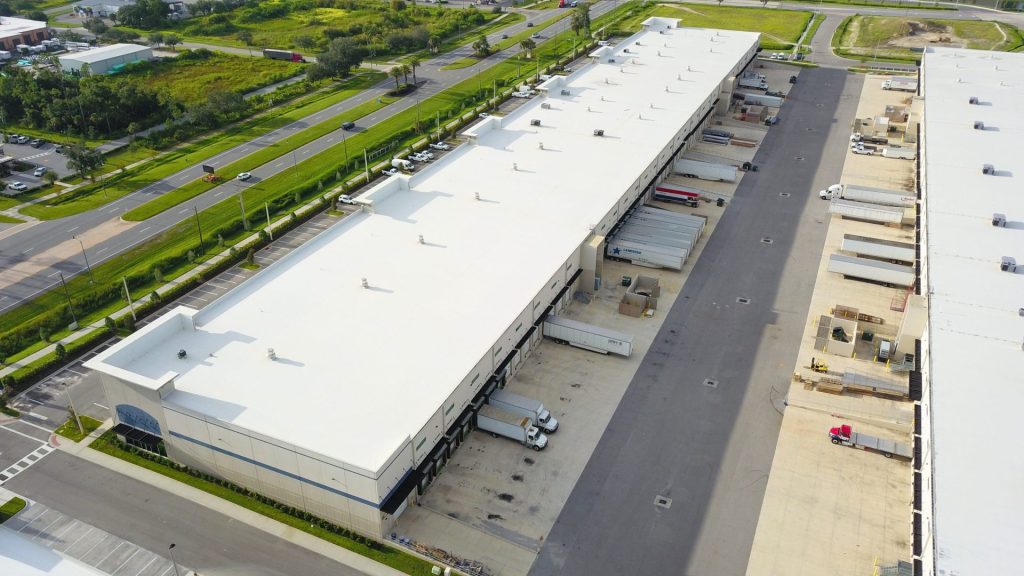
This requires a robust order management system (OMS) and warehouse management system (WMS) that can track inventory in real time across all facilities and route orders to the optimal fulfillment location automatically. Here at CDS Logistics, we have these in-house and proprietary technology tools we developed for our customers.
How Regional Fulfillment Directly Improves Delivery Speed
The connection between regional fulfillment and faster delivery is simple: shorter distances equal faster transit times. But the operational benefits go deeper than that.
Shorter Last-Mile Distance Means Faster Transit Times
Last-mile delivery, which is the final leg from the fulfillment center to customer doorstep, is both the most expensive and the most time-consuming part of the shipping journey. The longer that last mile, the higher the cost and the longer the wait.
By positioning fulfillment centers close to major population centers, regional fulfillment compresses that last mile dramatically. An order that might take four or five days from a centralized warehouse can often be delivered in one or two days from a regional facility without expedited shipping costs.
Same-Day and Next-Day Delivery Becomes Achievable
Same-day and next-day delivery are no longer exclusive to Amazon. Retailers with regional fulfillment networks can realistically offer these options to customers in their coverage areas.
When a fulfillment center is within a few hours’ drive of a customer, same-day delivery becomes operationally viable. Next-day delivery becomes the standard, not the premium. This levels the playing field with larger competitors and gives regional retailers a meaningful edge in their local markets.
The Business Benefits Beyond Speed
Faster delivery is the headline benefit of regional fulfillment, but it creates a cascade of additional advantages for retailers.
Lower Shipping Costs Through Optimized Carrier Zones
Reducing average shipping zones directly reduces carrier costs. Regional fulfillment also enables better carrier negotiation — when shipping consistent volumes out of multiple regional locations, you have more leverage with carriers to negotiate better rates.
Some retailers also find they can shift a higher percentage of shipments to ground services (which are cheaper) while still meeting two-day delivery commitments, simply because the geographic proximity makes ground delivery fast enough.
Higher Customer Satisfaction and Repeat Purchase Rates
Fast, reliable delivery is one of the strongest drivers of customer satisfaction in e-commerce. And customer satisfaction drives repeat purchases. It’s a compounding benefit: invest in faster fulfillment, earn more repeat customers, and grow revenue.
Post-purchase experience, including delivery speed and accuracy, consistently ranks among the top factors customers cite when deciding whether to buy from a retailer again. Regional fulfillment improves both the reality and the perception of that experience.
Fewer Delays from Weather, Carrier Disruptions, and Backlogs
Centralized fulfillment creates a single point of failure. If your one warehouse is hit by a severe weather event, a carrier disruption, or a volume surge that overwhelms capacity, your entire operation can grind to a halt.
Regional fulfillment distributes risk. If one facility is impacted, orders can often be rerouted to the next closest location. This built-in redundancy improves resilience and helps maintain consistent delivery performance even when disruptions occur.
How to Build a Regional Fulfillment Strategy That Works
Transitioning to or building a regional fulfillment network requires careful planning. Here’s what to focus on.
Choosing the Right Fulfillment Center Locations
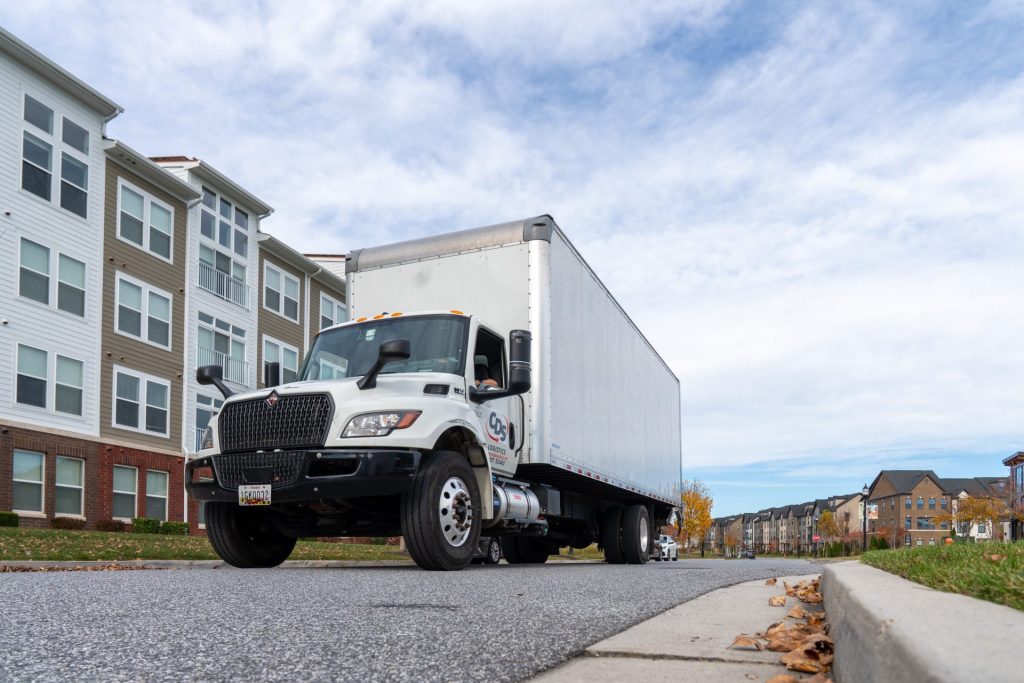
Location selection is one of the most consequential decisions in building a regional network. The goal is to maximize coverage—placing fulfillment centers where they can reach the highest concentration of your customers within one or two shipping zones.
Start by mapping your existing order data geographically. Where are your customers concentrated? Which regions have the highest order density? Use that data to identify the locations that would provide the greatest coverage improvement.
You’ll also want to consider proximity to major carrier hubs, local labor market conditions, real estate costs, and state tax implications. Many retailers partner with a third-party logistics provider (3PL) that already has an established regional network, which can significantly simplify this process.
Partnering With a 3PL vs. Managing Your Own Regional Network
Retailers typically have two paths to regional fulfillment: build their own network of owned or leased facilities, or partner with a 3PL that already operates one.
Building your own network gives you maximum control over operations, branding, and customer experience. But it requires significant capital investment, operational expertise, and time to build.
Partnering with a 3PL allows you to access an existing regional network quickly, with lower upfront investment and built-in operational infrastructure. The tradeoff is less direct control and shared capacity with other clients.
For most growing retailers, starting with a 3PL partnership is the faster, lower-risk path to regional fulfillment. As volume scales, some retailers eventually bring fulfillment in-house, but many continue to rely on 3PL partners even at a significant scale.
Is Regional Fulfillment Right for Your Business?
Regional fulfillment isn’t the right solution for every retailer at every stage. Here’s how to think about whether it’s the right move for your business.
Key Questions to Ask Before Making the Switch
What is your current order volume? Regional fulfillment requires enough volume to justify the cost of operating multiple facilities (or the minimum volume commitments that 3PL partners often require). If you’re shipping fewer than a few hundred orders per day, the economics may not yet support a regional strategy.
How geographically dispersed is your customer base? If the vast majority of customers are concentrated in one region, a single well-located fulfillment center may serve you well. Regional fulfillment has the greatest impact when your customers are spread across multiple geographic areas.
What are your current delivery times? If you’re already meeting your customers’ delivery expectations, regional fulfillment may not be urgent. But if slow shipping is contributing to cart abandonment or negative reviews, it should be a priority.
What are your growth plans? If you’re planning to expand your customer base nationally, building or accessing a regional fulfillment network now sets you up for scale.
Faster Delivery Starts with Smarter Fulfillment
Delivery speed is one of the most powerful levers retailers have to improve customer experience, reduce costs, and grow revenue. And achieving faster delivery sustainably without relying on expensive expedited shipping requires getting inventory closer to customers.
Regional fulfillment is the most effective structural way to do that. By distributing inventory across strategically located fulfillment centers, retailers can compress transit times, reduce shipping costs, minimize disruption risk, and deliver the kind of fast, reliable experience that turns first-time buyers into repeat customers.
The transition requires investment in technology, infrastructure, and operational change. But for retailers with national ambitions and customers who expect fast shipping, regional fulfillment isn’t a luxury. It’s the foundation of a competitive fulfillment strategy.
Frequently Asked Questions
What is regional fulfillment and how does it work?
Regional fulfillment is a distribution strategy where inventory is stored across multiple fulfillment centers positioned in different geographic areas rather than consolidated in one or two central warehouses. When a customer places an order, it ships from the facility closest to their location, resulting in shorter distances, fewer shipping zones, and dramatically faster transit times.
What is the difference between centralized and regional fulfillment?
In a centralized model, all inventory lives in one or two large warehouses near major transportation hubs—simple to manage but limited by geography, so a West Coast customer ordering from an East Coast warehouse always faces longer transit and higher costs. A regional model distributes inventory across multiple smaller centers, each serving its region. It adds operational complexity, but for national customer bases the speed and cost advantages outweigh it.
How does regional fulfillment make delivery faster?
The connection is simple: shorter distances equal faster transit times. By positioning fulfillment centers close to major population centers, regional fulfillment compresses the expensive, time-consuming last mile. An order that might take four or five days from a centralized warehouse can often be delivered in one or two days from a regional facility—and when a center is within a few hours’ drive, same-day delivery becomes viable and next-day becomes the standard rather than a premium.
Does regional fulfillment reduce shipping costs?
Yes. Reducing average shipping zones directly reduces carrier costs, and shipping consistent volumes from multiple locations gives retailers more leverage to negotiate better rates. Many retailers also find they can shift a higher percentage of shipments to cheaper ground services while still meeting two-day delivery commitments, simply because geographic proximity makes ground delivery fast enough.
How is inventory distributed across regional fulfillment centers?
Effective regional fulfillment starts with smart inventory allocation using sales data, demand forecasting, and geographic order patterns rather than stocking every SKU everywhere. High-velocity products that sell consistently nationwide might be stocked at all centers, while seasonal or region-specific items are stocked only where demand is highest. This requires a robust order management system (OMS) and warehouse management system (WMS) that track inventory in real time and route orders automatically.
Should a retailer build its own regional network or partner with a 3PL?
Building your own network gives maximum control over operations, branding, and experience, but requires significant capital, expertise, and time. Partnering with a 3PL provides quick access to an existing regional network with lower upfront investment and built-in infrastructure, trading off some direct control and shared capacity. For most growing retailers, starting with a 3PL is the faster, lower-risk path.
How do you know if regional fulfillment is right for your business?
Consider four questions: current order volume (the economics may not support multiple facilities below a few hundred orders per day), how geographically dispersed your customers are (the impact is greatest when customers span multiple regions), your current delivery times (urgent if slow shipping causes cart abandonment or negative reviews), and your growth plans (building or accessing a network now sets you up to scale nationally).
About CDS Logistics: Experts in Big and Bulky Last Mile Delivery
CDS Logistics is one of the largest providers of last mile delivery and fulfillment solutions in the United States. CDS’s headquarters is in Baltimore, Maryland with 182 hubs nationwide. Over the past three decades, CDS has built expertise to make the company an industry leader specializing in big and bulky products. CDS’s proprietary, in-house technology and hands-on operational expertise provides results that are consistent, reliable, and proven to drive outstanding customer experiences.
Click the buttons below to learn more about the services we provide our customers, as well as the industries we’ve served.
- How White-Glove Delivery Reduces Damage Claims on Heavy Fitness Equipment
- How Route Optimization Software Actually Cuts Delivery Costs
- In-Home Delivery vs. Threshold Delivery vs. Curbside: What’s the Difference?
- Jobsite Coordination: Why Builder Schedules Should Drive Your Delivery Windows
- How Window and Door Manufacturers Can Cut Damage Claims in Half

