Real-time tracking, or last-mile visibility, lets customers see accurate arrival times and live updates throughout delivery. It matters more for big and bulky items than small parcels, since these involve scheduled windows and in-home service. Visibility removes uncertainty, builds trust, improves first-attempt success, and has become a key competitive differentiator for retailers.
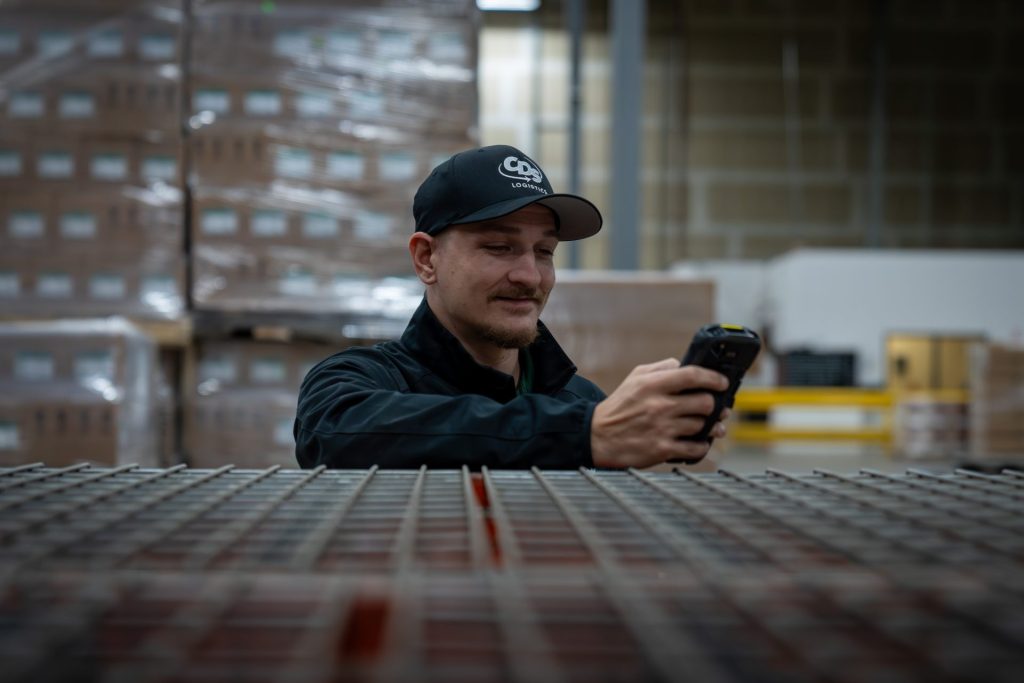
In today’s on-demand economy, delivery is no longer just about getting a product from point A to point B. Customers expect clarity, communication, and control throughout the process, especially when it comes to big and bulky deliveries.
Unlike small parcel shipments, delivering items like furniture, appliances, or fitness equipment requires coordination, scheduling, and often in-home service. When something goes wrong, it doesn’t just cause inconvenience; it creates frustration and erodes trust.
This is where last-mile visibility plays a critical role. By giving customers real-time insight into their delivery, logistics providers can transform what has traditionally been a pain point into a seamless, reliable experience.
In this blog post, we’re outlining why and how real-time tracking has become a standard in logistics.
What is Last Mile Visibility in Big and Bulky Logistics?
Last-mile visibility refers to the ability to track and monitor a delivery in real time during the delivery process. While this concept has become standard in parcel shipping, it carries even greater importance in big and bulky logistics.
Large-item deliveries are inherently more complex. They often involve scheduled delivery windows, specialized handling, and white-glove service expectations. Without clear visibility, customers are left guessing when their delivery will arrive, which can disrupt their entire day even with the slightest delay.
With last-mile visibility, uncertainty disappears. Customers receive accurate estimated arrival times, live updates, and a clear picture of where their delivery stands at any given moment, allowing them to plan for deliveries and be at home when a product arrives at their door.
Customer Experience Challenges in Big and Bulky Final-Mile Delivery
Big and bulky deliveries present a unique set of challenges that directly impact customer satisfaction. One of the most common issues is the broad delivery window; when a customer is told their delivery may arrive within a broad range, they are forced to schedule their day around when a delivery could theoretically arrive.
Communication gaps further compound the problem. When customers don’t receive updates, they’re left wondering whether their delivery is delayed, still on schedule, or even coming at all. This lack of transparency creates unnecessary stress and could potentially impact a customer’s perception of a company or brand.
At the same time, expectations are higher than ever. Customers aren’t just expecting a package to be dropped off. They want professional, well-coordinated experiences that may include in-home set-up or placement. When those expectations aren’t met, the negative impression often reflects more on the brand than the delivery itself.
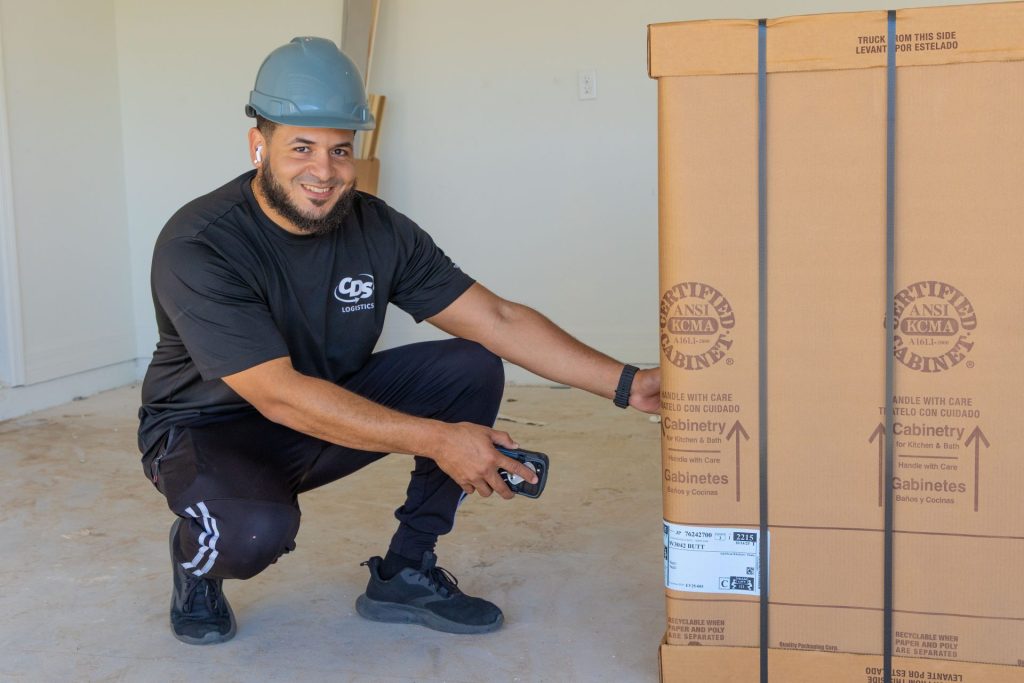
Why Last Mile Visibility Matters for Retailers and Shippers
For retailers and shippers, last mile visibility goes beyond improving customer satisfaction. It directly impacts business performance and ultimately becomes a business strategy.
When deliveries are more predictable and better communicated, first-attempt success rates improve. This reduces the need for costly re-deliveries and minimizes operational inefficiencies. At the same time, customers who have a positive delivery experience are far more likely to return and make repeat purchases.
In a competitive market, the delivery experience has become a key differentiator. Brands that invest in visibility and transparency are better positioned to build trust and long-term loyalty.
Technology Behind Real-Time Tracking Systems
The technology behind real-time tracking systems is an expensive upfront investment, but the long-term results consistently prove to be worth it. As customer expectations continue to evolve, last-mile visibility will only become more important. Delivery windows will grow narrower, communication will become more proactive, and transparency will be expected at every stage.
Here’s what goes into these tools.
GPS tracking provides real-time location data, while route optimization ensures deliveries are completed as efficiently as possible. Integrated delivery management systems connect dispatch, drivers, and customer communication into a single, coordinated workflow.
Increasingly, predictive analytics and AI are being used to refine ETAs and anticipate potential disruptions before they occur. These advancements continue to raise the standard for what customers expect from delivery and can be used to predict how traffic and weather patterns might impact a delivery.
How CDS Logistics Delivers Superior Last-Mile Visibility
At CDS Logistics, last mile visibility is built into the foundation of the delivery experience, particularly for big and bulky shipments where precision and communication matter most.
By leveraging our in-house and proprietary technology, CDS provides real-time updates and accurate ETAs that reflect the realities of large-item delivery routes. Customers are not left in the dark—they are informed every step of the way through text messages, calling, or email.
This visibility is paired with a true white-glove approach. Deliveries are handled professionally, with a focus on care, timing, and clear communication. Customers receive not only their product, but also a high-quality service experience that meets modern expectations.
In addition, dedicated support teams help ensure that any issues are addressed proactively. This combination of technology and service creates a seamless experience from dispatch to final delivery.
Frequently Asked Questions
What is last-mile visibility in big and bulky logistics?
Last-mile visibility is the ability to track and monitor a delivery in real time during the delivery process. While standard in parcel shipping, it carries greater importance for big and bulky logistics because large-item deliveries are more complex, often involving scheduled windows, specialized handling, and white-glove service expectations. It replaces guesswork with accurate arrival times and live updates so customers can plan to be home.
Why does real-time tracking matter more for large items than small parcels?
Unlike small parcel shipments, delivering items like furniture, appliances, or fitness equipment requires coordination, scheduling, and often in-home service. When something goes wrong, it doesn’t just cause inconvenience—it creates frustration and erodes trust. Because these deliveries depend on the customer being home within a scheduled window, clear visibility prevents the disruption a delay can cause to their entire day.
What customer experience challenges does real-time tracking address?
It tackles three main issues: broad delivery windows that force customers to schedule their day around an uncertain arrival; communication gaps that leave customers wondering whether a delivery is delayed, on schedule, or coming at all; and rising expectations for professional, coordinated experiences that may include in-home setup. When those expectations aren’t met, the negative impression reflects on the brand more than the delivery.
How does last-mile visibility benefit retailers and shippers?
Beyond improving customer satisfaction, visibility directly impacts business performance. More predictable, better-communicated deliveries improve first-attempt success rates, reducing costly re-deliveries and operational inefficiencies. Customers with a positive delivery experience are far more likely to return for repeat purchases, and in a competitive market, the delivery experience itself has become a key differentiator for building trust and long-term loyalty.
What technology powers real-time tracking systems?
Real-time tracking relies on GPS for live location data, route optimization for efficient completion, and integrated delivery management systems that connect dispatch, drivers, and customer communication into a single workflow. Increasingly, predictive analytics and AI refine ETAs and anticipate disruptions before they occur—including how traffic and weather patterns might affect a delivery.
Will customer expectations for delivery visibility keep rising?
Yes. As customer expectations evolve, last-mile visibility will only become more important. Delivery windows will grow narrower, communication will become more proactive, and transparency will be expected at every stage of the delivery process—making the upfront investment in tracking technology increasingly worthwhile.
About CDS Logistics: Experts in Big and Bulky Last Mile Delivery
CDS Logistics is one of the largest providers of last mile delivery and fulfillment solutions in the United States. CDS’s headquarters is in Baltimore, Maryland, with 182 hubs nationwide. Over the past three decades, CDS has built expertise to make the company an industry leader specializing in big and bulky products. CDS’s proprietary, in-house technology and hands-on operational expertise provide results that are consistent, reliable, and proven to drive outstanding customer experiences.
Click the buttons below to learn more about the industries we serve, as well as the services we provide.
- How White-Glove Delivery Reduces Damage Claims on Heavy Fitness Equipment
- How Route Optimization Software Actually Cuts Delivery Costs
- In-Home Delivery vs. Threshold Delivery vs. Curbside: What’s the Difference?
- Jobsite Coordination: Why Builder Schedules Should Drive Your Delivery Windows
- How Window and Door Manufacturers Can Cut Damage Claims in Half

