Supply chain visibility means knowing where inventory is, its condition, and every order’s status in real time. Poor visibility causes most last mile failures—damage, missed windows, frustrated customers. It cuts damage through warehouse accuracy, transit condition tracking, and driver verification, while improving first-attempt success. For costly big and bulky deliveries, visibility isn’t optional: it’s non-negotiable.
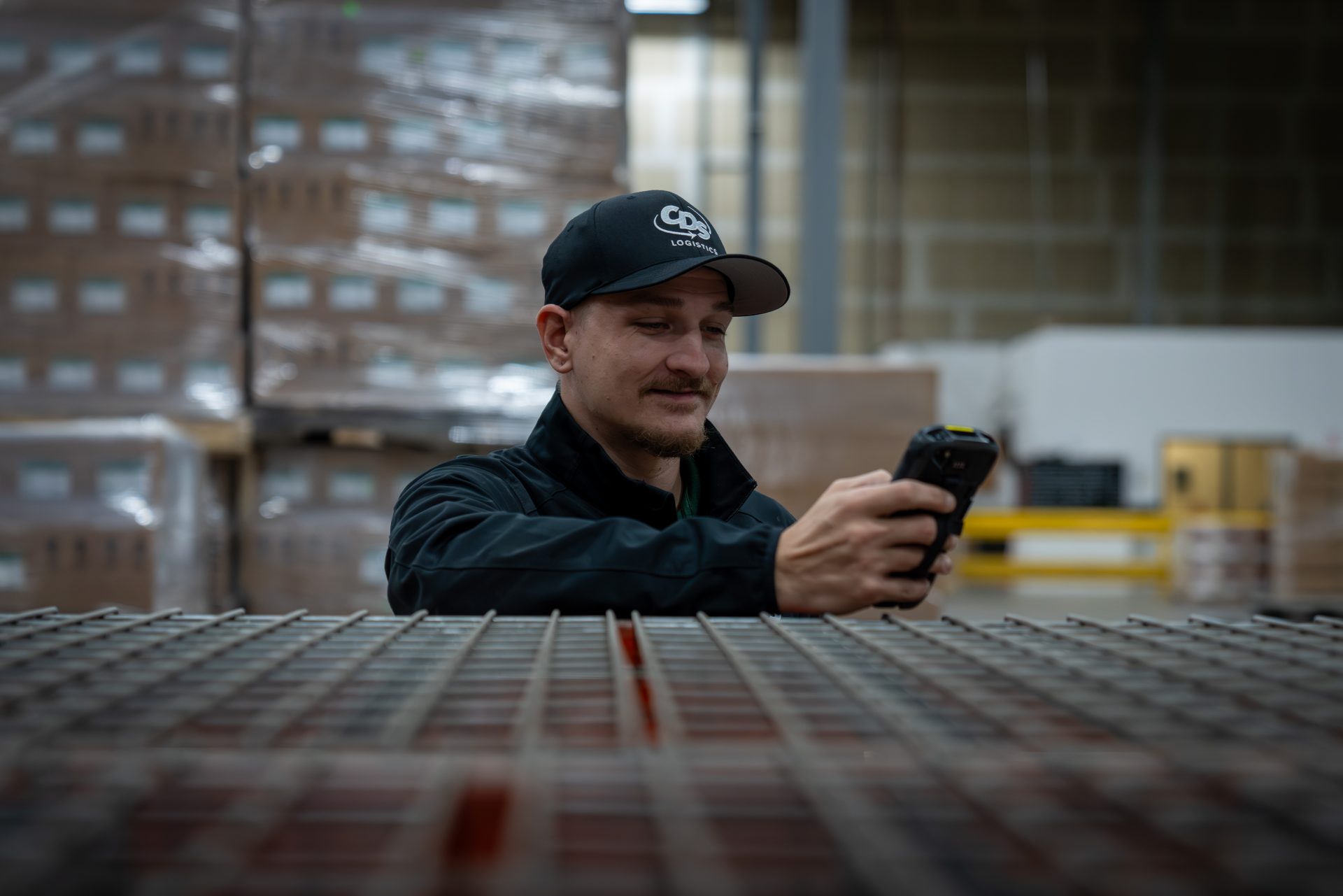
You can’t fix what you can’t see.
It sounds simple, but it’s the root cause behind most last mile delivery problems. Damaged goods, missed delivery windows, packages lost in transit, frustrated customers calling for updates—in nearly every possible scenario, the underlying issue isn’t a coincidence. It stems from a lack of visibility on what’s happening across the supply chain.
For brands selling big and bulky products, the stakes are even higher. A damaged sofa or a failed appliance delivery isn’t a minor inconvenience. It’s a logistical headache, a costly return, and a customer who is very unlikely to order from you again. The good news? Real-time supply chain visibility is one of the most effective tools available to fix all of this, and it pays for itself quickly despite the initial costs to set it up.
In this blog post, we’re covering how exactly supply chain visibility reduces damage rates and delivery failures in the long run.
What Supply Chain Visibility Actually Means
Supply chain visibility sounds like a trendy buzzword, but at its core it’s straightforward: it means knowing where your inventory is, what condition it’s in, and what’s happening with every order at every stage of its journey.
That includes what’s sitting in the warehouse, what’s been picked and packed, what’s in transit, and what’s been successfully delivered. It means your operations team has that information in real time. It also means your customers have access to it also.
When that visibility is missing, decisions get made on incomplete information. Teams scramble to track shipments manually. Problems aren’t caught until they’ve already become customer complaints. And by the time a damaged item or a failed delivery shows up in your reporting, the damage, whether it’s literal damage or through tarnished reputation, is done.
The Link Between Visibility and Damage Rates
Damage doesn’t usually happen all at once. It happens gradually, through a chain of small failures: improper handling at one touchpoint, a packaging issue that goes unnoticed, a transfer between carriers with no accountability handoff.
When your supply chain operates in silos, those small failures are invisible until a customer opens a box and finds something broken. But when real-time tracking and accountability are built into every step of the process, problems surface earlier and when they can still be corrected.
Here’s what that looks like in practice:
Inventory accuracy at the warehouse level means products are stored, handled, and staged correctly from the start. Errors in inventory management, whether its wrong items pulled or improperly stored goods, are a surprisingly common source of damage that never gets attributed to the right cause.
Condition tracking during transit allows teams to flag handling issues before a delivery is attempted. If something has been compromised in transit, the right response is to intercept it and not send a driver to a customer’s door with a damaged product.
Driver accountability and delivery verification at the point of drop-off creates a clear record of what was delivered, when, and in what condition. That documentation matters enormously when damage claims arise, and it creates the kind of accountability that naturally raises standards over time.
Having the right kind of visibility aids companies in actively avoiding damage, especially as they look to scale their operations further.
The Link Between Visibility and First-Attempt Delivery Success
Failed first-attempt deliveries are expensive. A second delivery attempt means more driver time, more fuel, more scheduling complexity, and a customer who is already frustrated before they’ve even received their order. And the causes of most first-attempt failures are exactly the kind of things that better visibility can prevent.
Incorrect or incomplete address data is one of the most common culprits. When inventory and order data flows through connected systems with validation checks built in, bad addresses get caught before a truck ever rolls, not after a wasted trip.
Customer communication gaps lead to missed delivery windows. When customers receive real-time updates, they show up. Delivery attempts usually don’t fail because customers forget. Visibility into the delivery schedule, shared proactively, eliminates a huge category of failed attempts and allows customers a chance to feel connected throughout the delivery process.
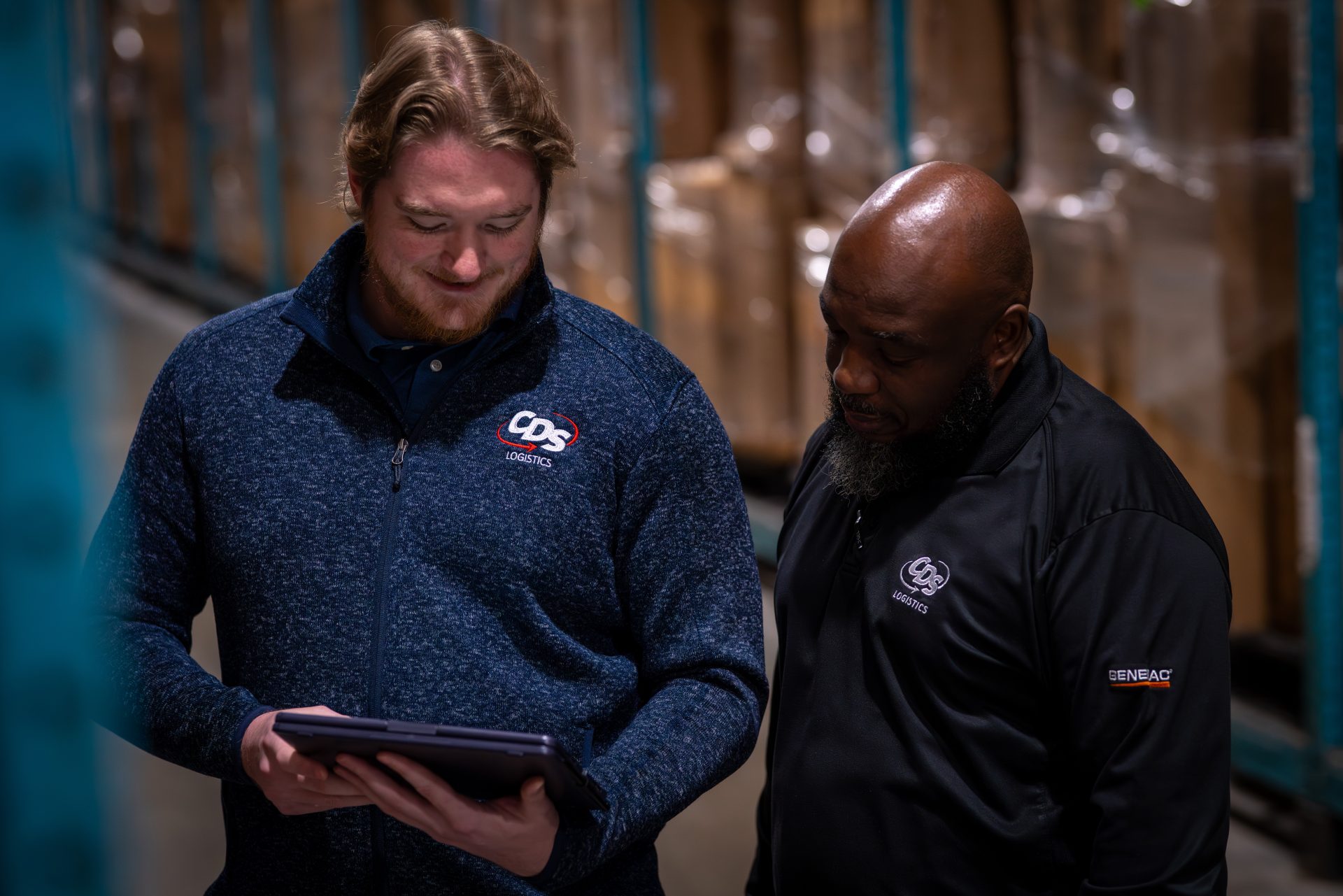
Routing and scheduling inefficiencies are harder to see but just as costly. When dispatch doesn’t have clear, real-time information about driver location, traffic, and delivery status, routes get inefficient and windows get missed. Visibility tools, like the CDS Vision Suite™, that connect the warehouse to the driver and to the customer create a tighter, more reliable operation across the board.
Why This Matters More for Big and Bulky Products
Standard parcel delivery has a forgiving margin for error. A small package can be rescheduled, returned, or replaced relatively easily. Big and bulky products don’t work that way, especially when it’s custom, high-value products being delivered to customers.
When delivering a refrigerator, a treadmill, or a set of cabinets, every failed attempt costs significantly more. The vehicles are specialized, and the delivery teams themselves are going to need specialized training to handle these products. The items themselves are harder to repackage, harder to store, and harder to move again. A second delivery attempt isn’t a minor inconvenience and becomes instead a cost that continues to compound.
That’s exactly why supply chain visibility is non-negotiable for brands in this space. The margin for error is too small, and the cost of getting it wrong is too high to operate without it.
What to Look for in a Visibility Solution
Not all tracking technology is created equally. When evaluating a last mile logistics partner or visibility platform, here’s what legitimately moves the needle:
Real-time inventory tracking — not batch updates from the night before, but live visibility into what’s available, what’s allocated, and what’s in motion.
Customer-facing tracking — the ability for customers to see where their order is without calling your support team. This single capability dramatically reduces inbound contacts and improves satisfaction scores.
Delivery confirmation with proof — photo confirmation, digital signatures, and timestamped delivery records that protect both the brand and the customer in the event of a dispute.
Proactive exception alerts — the ability to flag a problem before it becomes a failed delivery or a damage claim. If a shipment is delayed, off-route, or flagged for a condition issue, teams should know about it in real time.
The Competitive Advantage You’re Leaving on the Table
Here’s the thing that often gets overlooked: supply chain visibility isn’t just an operational improvement. It’s a brand differentiator at the end of the day.
Customers have come to expect high levels of transparency, which includes real-time updates, accurate windows, and photo confirmation. When a brand delivers that experience for a big, expensive purchase, it stands out. When a brand can’t tell a customer where their order is, it erodes trust in a way that’s very hard to recover from. With expectations continuing to rise in a noisy market, it means that a positive delivery experience could be what distinguishes one brand from another
The brands winning in last mile delivery today aren’t necessarily the biggest. They’re the ones who’ve invested in the right partnerships and the right technology to make every delivery feel effortless for both the customer and their operations team.
Frequently Asked Questions
What does supply chain visibility actually mean?
Supply chain visibility means knowing where your inventory is, what condition it’s in, and what’s happening with every order at every stage of its journey—what’s in the warehouse, what’s been picked and packed, what’s in transit, and what’s been delivered. It means both your operations team and your customers have that information in real time, so decisions aren’t made on incomplete information.
How does supply chain visibility reduce damage rates?
Damage usually happens gradually through a chain of small failures—improper handling, an unnoticed packaging issue, a carrier transfer with no accountability. When operations run in silos, these stay invisible until a customer opens a damaged box. Real-time tracking surfaces problems earlier through warehouse inventory accuracy, condition tracking during transit, and driver accountability with delivery verification, so issues can be corrected before reaching the customer.
How does visibility improve first-attempt delivery success?
Most first-attempt failures stem from preventable causes: incorrect or incomplete address data, customer communication gaps, and routing inefficiencies. Connected systems with validation checks catch bad addresses before a truck rolls, proactive real-time updates ensure customers are home, and clear dispatch information about driver location and traffic keeps routes efficient and windows met.
Why does supply chain visibility matter more for big and bulky products?
Standard parcel delivery has a forgiving margin for error—a small package can be rescheduled or replaced easily. Big and bulky items can’t. Every failed attempt costs significantly more because the vehicles are specialized, the teams need specialized training, and the items are harder to repackage, store, and move again. The margin for error is too small and the cost of getting it wrong too high to operate without visibility.
What should you look for in a visibility solution?
Look for real-time inventory tracking (live, not batch updates from the night before), customer-facing tracking that lets customers see their order without calling support, delivery confirmation with proof (photo confirmation, digital signatures, timestamped records), and proactive exception alerts that flag a delayed, off-route, or condition-flagged shipment before it becomes a failed delivery or damage claim.
Is supply chain visibility a competitive advantage?
Yes. Beyond operational improvement, visibility is a brand differentiator. Customers expect real-time updates, accurate windows, and photo confirmation, and delivering that on a large, expensive purchase makes a brand stand out. A brand that can’t tell a customer where their order is erodes trust in a way that’s hard to recover—so a positive delivery experience increasingly distinguishes one brand from another.
About CDS Logistics: Experts in Big and Bulky Last Mile Delivery
CDS Logistics is one of the largest providers of last mile delivery and fulfillment solutions in the United States. CDS’s headquarters is in Baltimore, Maryland, with 182 hubs nationwide. Over the past three decades, CDS has built expertise to make the company an industry leader specializing in big and bulky products. CDS’s proprietary, in-house technology and hands-on operational expertise provide results that are consistent, reliable, and proven to drive outstanding customer experiences.
Click the buttons below to learn more about the industries we serve, as well as the services we provide.
Other Resources
- How White-Glove Delivery Reduces Damage Claims on Heavy Fitness Equipment
- How Route Optimization Software Actually Cuts Delivery Costs
- In-Home Delivery vs. Threshold Delivery vs. Curbside: What’s the Difference?
- Jobsite Coordination: Why Builder Schedules Should Drive Your Delivery Windows
- How Window and Door Manufacturers Can Cut Damage Claims in Half

