Reverse logistics for furniture, mattresses, and appliances is really a second last mile delivery, not a warehouse process. Returns require the same trucks, trained crews, and in-home handling as original deliveries, with the pickup often being the highest-risk step for damage. A thin last mile network causes delayed pickups just as it causes delayed deliveries. Using one provider for both directions improves damage-dispute resolution and reduces cost by routing reverse pickups through existing delivery density.
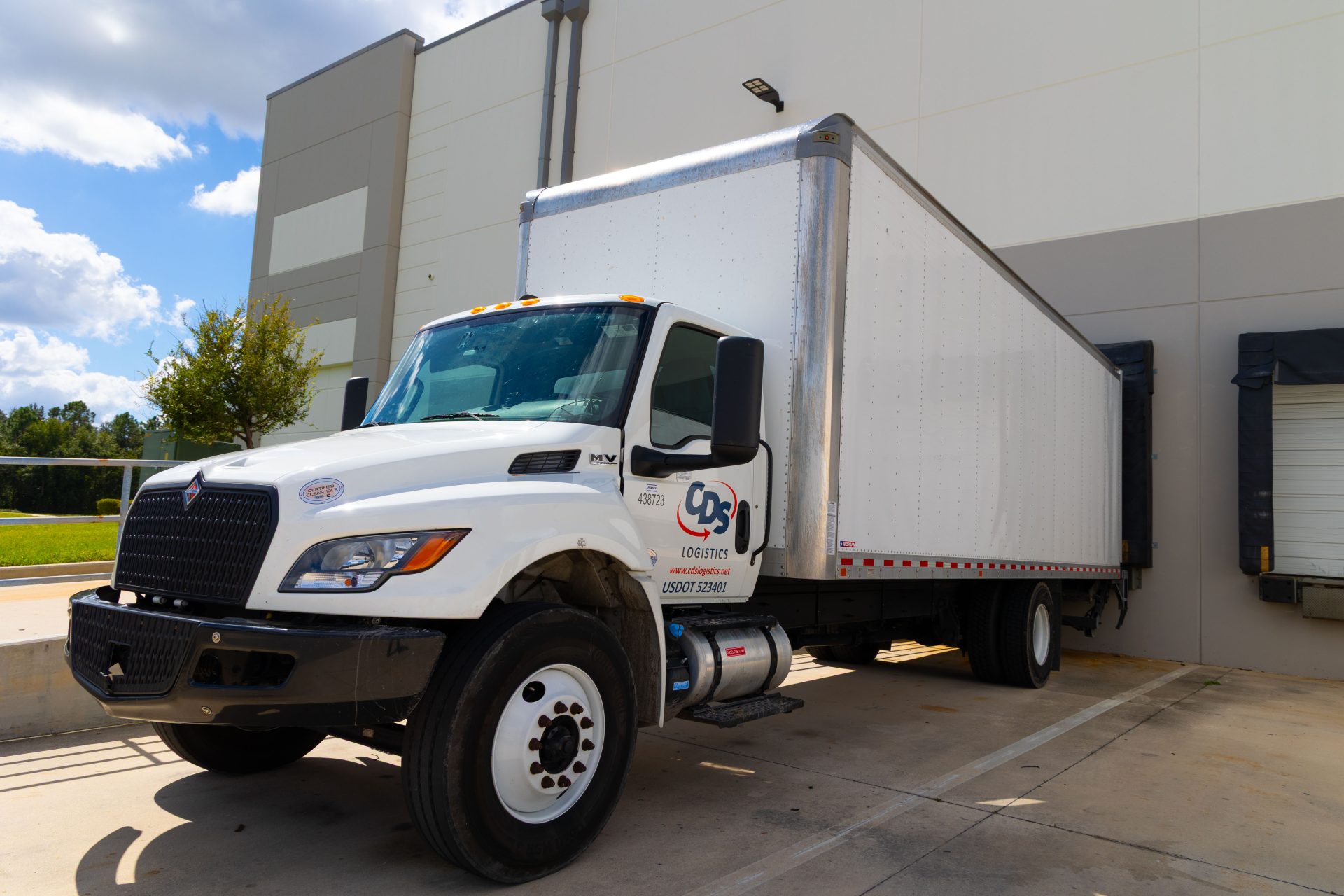
Most conversations about last mile delivery focus on one direction: getting a couch, a mattress, or a refrigerator safely into a customer’s home. But every big and bulky retailer eventually runs the delivery in reverse, and reverse logistics is still, fundamentally, a last mile problem. It still requires a truck, trained crews, scheduling, navigating a home, and managing the customer experience at the door. The only difference is the direction of travel.
Retailers who treat returns as a warehouse problem miss where the real cost and risk actually live: in the home, on the doorstep, and in the same last mile network that handled the original delivery. Here’s what actually happens after a big and bulky return, and why it belongs in the same conversation as your forward delivery strategy.
Reverse Logistics Starts in the Last Mile, Not the Warehouse
For big and bulky goods, a return isn’t a label and a shipping box. It’s a second last mile delivery, run backward. That has real operational consequences:
- It requires the same delivery infrastructure as the original drop-off. A truck, a route, a scheduled window, and often a two-person crew, which are the same resources used to deliver the product in the beginning.
- The home is still the highest-risk environment. Navigating a returned mattress or sectional back through a doorway, down a stairwell, or around tight hallway turns carries the same damage risk as delivering it did.
- The customer experience doesn’t end at delivery. A customer’s last impression of a brand is often the pickup experience, not the original delivery. A rushed, poorly communicated, or damaging pickup undoes goodwill built during a good delivery.
- It depends on the same network density. A retailer with thin last mile coverage in a market struggles to schedule timely pickups just as much as they’d struggle with timely deliveries. Reverse logistics is only as strong as the last mile network underneath it.
The Last Mile Reverse Delivery Process, Step by Step
1. Scheduling the Reverse Delivery
Just like a forward delivery, a return starts with a scheduling conversation, and it’s constrained by the same last mile realities: crew availability in that market, vehicle capacity for oversized items, and a pickup window the customer can commit to.
This step is also where most avoidable returns begin. A large share of big and bulky “returns” start as refused or failed forward deliveries, whether it’s a missed window or the customer isn’t home. The same delivery communication tools that reduce failed first-attempt deliveries (proactive windows, real-time notifications, tracking visibility) reduce reverse logistics volume before it starts.
2. The In-Home Pickup
This is the step that makes reverse logistics a last mile discipline. A trained delivery crew enters the home, safely removes the item, and manages the same navigational challenges as the original delivery: stairs, doorways, tight turns, and existing furniture or fixtures to avoid damaging.
Crews trained specifically for big and bulky handling reduce secondary damage during this stage. A returned item that gets damaged during pickup often can’t be resold, refurbished, or even donated, turning a manageable return into a total loss.
3. Transport Back Through the Network
From the home, the item moves back through the same hub-and-route network that powers forward delivery. This is where last mile density matters most: a provider with dense regional coverage can consolidate reverse pickups efficiently, while a thin network means longer routes, delayed pickups, and items sitting in transit longer than necessary.
4. Condition Assessment
Once the item clears the last mile leg and reaches a hub, it’s inspected to determine what’s next, whether it’s resale, refurbishment, donation, liquidation, or disposal. This step happens after the last mile work is done, but its outcome is largely determined by how well that last mile leg was executed. Damage introduced during in-home pickup or transport is the single biggest factor in whether an item retains resale value.
5. Feeding Delivery Data Back Into the Network
The most overlooked step: using reverse delivery data to improve forward delivery operations. Every return has a cause: damaged in transit, refused delivery, wrong item, changed mind. A last mile network with shared visibility across forward and reverse trips can trace a damaged return to a specific delivery, route, or crew, and correct the pattern instead of just absorbing the cos
Why Big & Bulky Categories Put Extra Pressure on the Last Mile
- Mattresses: Trial-period return policies mean pickup crews are dispatched on a rolling, unpredictable basis. A last mile network needs the flexibility to schedule these pickups without disrupting forward delivery capacity.
- Furniture: Multi-piece sets often require the same two-person, appointment-based delivery model in reverse, including reassembly-in-reverse for modular pieces.
- Appliances: Reverse pickups may require disconnecting gas, water, or electrical lines — meaning the last mile crew needs the same technical training as the installation team that delivered it.
- Building products and cabinetry: Returns are frequently tied to active job sites, so last mile pickup delays can stall a contractor’s project just as much as a delayed delivery would.
One Last Mile Network, Both Directions
Retailers who split forward delivery and reverse pickups across two different providers create a predictable last mile gap: two scheduling systems, two sets of delivery crews unfamiliar with each other’s standards, and no single source of truth when a damage dispute comes up.
A single last-mile partner handling both directions can:
- Dispatch the same certified crews for pickups that handled the original delivery, reducing retraining and inconsistency
- Use one visibility platform to track an order from initial delivery through final return disposition
- Resolve damage disputes faster by comparing forward delivery condition data against pickup condition data
- Route reverse pickups through existing regional density instead of building a second, parallel network
The Bottom Line
Reverse logistics for big and bulky goods isn’t a warehouse function that happens after delivery is done; it’s a second last mile delivery, with the same crews, the same home-access challenges, and the same customer experience stakes as the first one. Retailers who treat pickup and delivery as one continuous last mile operation, backed by one network and one set of visibility tools, turn returns into a controlled, predictable cost instead of a recurring drain on margin and brand trust.
Frequently Asked Questions
Is reverse logistics part of last mile delivery?
Yes. For big and bulky items like furniture, mattresses, and appliances, a return requires the same last mile resources as the original delivery: a truck, a trained crew, a scheduled home visit, and careful in-home handling. Reverse logistics is best understood as a second last mile delivery running in the opposite direction, not a separate warehouse process.
Why is the in-home pickup the riskiest part of a big and bulky return?
The in-home pickup carries the same damage risk as the original delivery: navigating stairwells, doorways, and tight spaces with a large item. Damage introduced during pickup often determines whether the item can be resold or refurbished at all, making the last mile crew’s training the biggest factor in return value recovery.
How does last mile network density affect reverse logistics?
A dense regional last mile network can consolidate reverse pickups efficiently and schedule them quickly. A thin network struggles to route reverse pickups just as it would struggle with forward deliveries, leading to delayed pickups and items sitting in customers’ homes longer than necessary.
How can retailers reduce big and bulky return volume?
Many big and bulky returns start as refused or failed forward deliveries. Improving last mile delivery communication—accurate windows, proactive notifications, and clear product expectations—reduces refused deliveries at the door, which is one of the largest drivers of avoidable reverse logistics volume.
Should the same last mile provider handle both delivery and pickup?
Using one last mile partner for both directions allows the same certified crews and visibility tools to manage forward delivery and reverse pickups, making it easier to resolve damage disputes, maintain consistent handling standards, and route reverse pickups through existing network density instead of building a separate one.
About CDS Logistics: Experts in Big and Bulky Last Mile Delivery
CDS Logistics is one of the largest providers of last mile delivery and fulfillment solutions in the United States. Headquartered in Baltimore, Maryland, with 182 hubs nationwide, CDS has built three decades of expertise as an industry leader specializing in big and bulky products. CDS’s proprietary, in-house technology and hands-on operational expertise provide results that are consistent, reliable, and proven to drive outstanding customer experiences.
- How White-Glove Delivery Reduces Damage Claims on Heavy Fitness Equipment
- How Route Optimization Software Actually Cuts Delivery Costs
- In-Home Delivery vs. Threshold Delivery vs. Curbside: What’s the Difference?
- Jobsite Coordination: Why Builder Schedules Should Drive Your Delivery Windows
- How Window and Door Manufacturers Can Cut Damage Claims in Half

