Peak season exposes every weakness in a logistics operation, and big and bulky deliveries feel it most: oversized freight needs more space, handling, and coordination, and one missed delivery triggers a costly chain reaction. The key isn’t reacting faster but building systems that absorb pressure: forecasting, flexible labor, real-time technology, and disciplined warehouse and returns processes.
Peak season has a way of exposing every weakness in a logistics operation. What works in steady-state conditions can quickly unravel under high volume, urgency, and rising customer expectations. For companies managing big and bulky deliveries, that pressure is even more pronounced.
Big and bulky products aren’t standard parcels. They take up more space, require more handling, and demand tighter coordination across warehousing, transportation, and the last mile. When demand spikes, the margin for error disappears and the hidden costs of delivering these products increases. And when something goes wrong, that means high customer expectations aren’t met and trust in a brand or company is eroded.
Adapting successfully to peak season pressure isn’t about reacting faster. It’s about building systems that can absorb pressure without breaking.
The Reality of Big & Bulky Delivery During Peak Season
As peak season ramps up, constraints begin to surface almost immediately. Capacity tightens, delivery windows shrink, and labor becomes harder to secure. At the same time, customers expect more precision, not less.
With big and bulky items, a single missed delivery can set off a chain reaction. A failed attempt may require rescheduling a delivery team, rerouting equipment, delaying an installation, and coordinating with a customer whose expectations have already been strained. Multiply across hundreds or thousands of orders, and small inefficiencies quickly become systemic problems.
The complexity lies in the nature of the freight itself. Oversized items demand more space in trucks and warehouses, more careful handling to avoid damage, and more deliberate scheduling to ensure successful delivery. During peak season, those requirements don’t change, but the volume does.
Planning Ahead: Forecasting Before the Surge
The most effective peak season strategies begin well before the first spike in orders. Organizations that perform well under pressure are usually the ones that anticipate it and adequately prepared for it in advance.
Forecasting plays a central role here. By looking closely at historical trends, upcoming promotions, and product-level demand signals, logistics teams can begin to see where stress points are likely to emerge. That visibility allows for earlier decisions—securing capacity, positioning inventory, and building flexibility into routing plans.
Without that preparation, teams are left reacting in real time, often competing for limited resources and making trade-offs that impact service quality.
Rethinking the Last Mile Experience
If there is one place where peak season pressure is most visible, it’s the last mile. It’s also when customers often see their product for the first time.
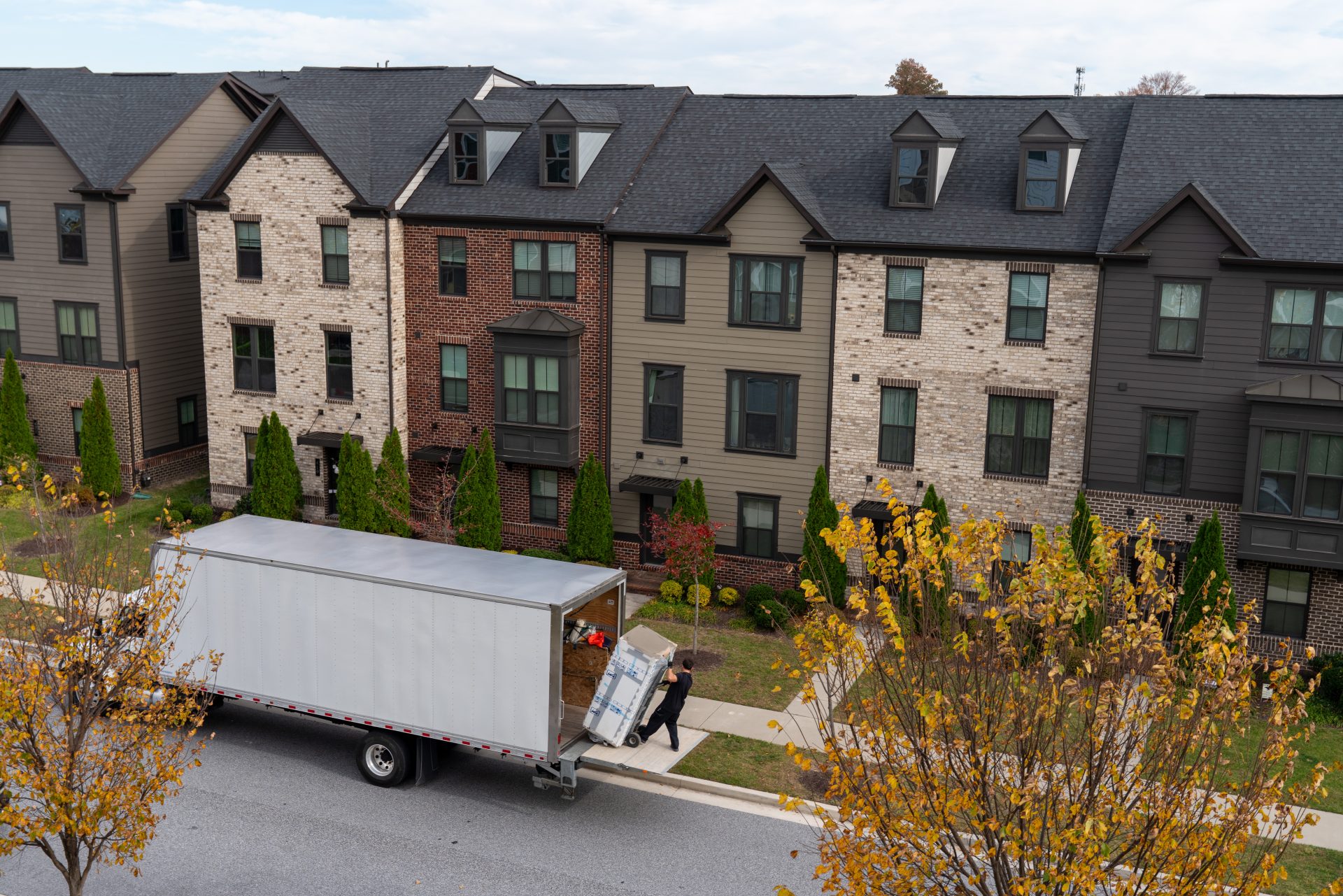
For big and bulky deliveries, the last mile is not simply a drop-off. It often involves entering a customer’s home, navigating tight spaces, assembling products, or removing old items. The margin for error is small, and the cost of failure is high.
During peak season, success in the last mile depends on coordination as much as speed. Well-structured delivery windows reduce missed attempts. Clear communication helps customers prepare, while properly staffed delivery teams ensure that items are handled safely and efficiently.
When these elements come together, the delivery experience feels controlled even during the busiest times of year.
Using Technology to Maintain Control at Scale
As volume increases, manual processes begin to show their limits. What once worked with smaller order volumes can quickly lead to delays, errors, and a lack of visibility.
Technology becomes the backbone of scalable operations. It requires an upfront investment that can be time-consuming and expensive for logistics companies, but the benefits of implementing such systems are immense.
Systems that manage transportation, warehouse activity, and routing decisions allow teams to make faster, more informed choices. Instead of reacting to problems after they occur, they can adjust in real time—rerouting deliveries, reallocating capacity, and keeping customers informed every step of the way.
The goal is not just efficiency, but control. During peak season, visibility across the network allows operations to remain stable even as demand fluctuates.

Adapting Warehouse Operations for Larger Freight
Warehouse performance often determines how well the rest of the network functions. With big and bulky items, inefficiencies in the warehouse can quickly ripple outward.
Large items require more thoughtful layout planning. If they are stored in hard-to-reach areas or mixed inefficiently with smaller goods, picking and staging times increase. During peak season, those extra minutes compound into delays.
High-performing operations typically create dedicated space for oversized inventory, streamline how those items move through the facility, and reduce unnecessary handling wherever possible. Some also rely on cross-docking strategies to move items through the warehouse more quickly, minimizing storage time altogether.
Meeting Higher Customer Expectations
Peak season doesn’t lower expectations—it raises them. Customers are often working within tight timelines, whether they are preparing for holidays, events, or major purchases. For big and bulky deliveries, the experience is even more personal, especially when the product being handled is a customer’s dream kitchen or something they saved up for throughout the years.
That means clear communication becomes essential. Customers want to know when their delivery will arrive, how to prepare, and what to expect. When that information is accurate and timely, it reduces uncertainty and builds trust. Here at CDS Logistics, our customers receive several reminder messages about their delivery, as well as delivery confirmations.
On the other hand, a lack of visibility can quickly lead to frustration and anxiety, especially when a customer rearranges their entire schedule to make an at-home delivery. In many cases, the perception of the delivery experience is shaped as much by communication as by the delivery itself.
Building a Workforce That Can Flex
Labor constraints are one of the most consistent challenges during peak season. As demand rises, so does the need for skilled workers who can handle complex deliveries.
Organizations that perform well during this period tend to treat workforce planning as a strategic priority. They invest in hiring early, training teams to handle multiple roles, and building partnerships that allow them to scale when needed.
Flexibility is key. The ability to shift resources across functions, adjust staffing levels quickly, and maintain consistency in service can make the difference between keeping up with demand and falling behind.
Managing Returns Without Losing Efficiency
Returns are an inevitable part of peak season, and for big and bulky items, they carry a higher cost. Unlike small parcels, these returns require coordinated pickups, additional handling, and careful evaluation before items can be restocked or resold.
Without a clear process, reverse logistics can quickly become a drain on both time and margin. When damage is involved, replacing a custom product can also be a major headache for retailers and brands as expenses continue to rack up.
Efficient operations focus on simplifying the return experience while maintaining control behind the scenes. Scheduling pickups effectively, inspecting items early in the process, and routing them through the right facilities all help reduce unnecessary movement and cost.
Turning Pressure into Performance
Peak season will always bring complexity, especially for big and bulky delivery networks. But complexity does not have to lead to chaos.
Organizations that plan ahead, invest in the right systems, and design operations for flexibility are better equipped to handle demand without sacrificing service. They are not just reacting to pressure—they are built to absorb it.
In that sense, peak season becomes less of a disruption and more of an opportunity to demonstrate operational strength.
Frequently Asked Questions
Why is peak season harder for big and bulky deliveries than standard parcels?
Big and bulky products aren’t standard parcels—they take up more space, require more handling, and demand tighter coordination across warehousing, transportation, and the last mile. During peak season, those requirements don’t change but the volume does. A single missed delivery can set off a chain reaction of rescheduled teams, rerouted equipment, and delayed installations that compounds across hundreds or thousands of orders.
How does forecasting help with peak season delivery?
Forecasting lets teams anticipate pressure rather than react to it. By analyzing historical trends, upcoming promotions, and product-level demand signals, logistics teams can see where stress points will emerge and make earlier decisions, securing capacity, positioning inventory, and building routing flexibility. Without it, teams are left competing for limited resources and making trade-offs that hurt service quality.
What makes the last mile so critical during peak season?
The last mile is where peak pressure is most visible and often when customers see their product for the first time. For big and bulky items, it’s not just a drop-off—it can involve entering a home, navigating tight spaces, assembling products, or removing old items. Success depends on coordination as much as speed: structured delivery windows, clear communication, and properly staffed teams.
How does technology help manage peak season volume?
As volume rises, manual processes lead to delays, errors, and lost visibility. Systems managing transportation, warehouse activity, and routing let teams make faster, informed decisions and adjust in real time—rerouting deliveries, reallocating capacity, and keeping customers informed. The goal is not just efficiency but control, so operations stay stable as demand fluctuates.
How should warehouse operations adapt for larger freight?
Warehouse performance often determines how well the rest of the network functions. Large items need thoughtful layout planning, since storing them in hard-to-reach areas or mixing them with smaller goods increases picking and staging times that compound during peak. High-performing operations create dedicated space for oversized inventory, streamline movement, reduce unnecessary handling, and use cross-docking to minimize storage time.
Why does customer communication matter more during peak season?
Peak season raises expectations rather than lowering them, and big and bulky deliveries are especially personal—often a customer’s dream kitchen or a major saved-for purchase. Customers want to know when delivery will arrive, how to prepare, and what to expect. Accurate, timely communication reduces uncertainty and builds trust, and the perception of the experience is often shaped as much by communication as by the delivery itself.
How can returns be managed efficiently during peak season?
Returns are inevitable and carry a higher cost for big and bulky items, requiring coordinated pickups, additional handling, and careful evaluation before restocking. Without a clear process, reverse logistics drains time and margin. Efficient operations simplify the customer return experience while maintaining control behind the scenes—scheduling pickups effectively, inspecting items early, and routing them through the right facilities.
About CDS Logistics: Experts in Big and Bulky Last Mile Delivery
CDS Logistics is one of the largest providers of last mile delivery and fulfillment solutions in the United States. CDS’s headquarters is in Baltimore, Maryland, with 182 hubs nationwide. Over the past three decades, CDS has built expertise to make the company an industry leader specializing in big and bulky products. CDS’s proprietary, in-house technology and hands-on operational expertise provide results that are consistent, reliable, and proven to drive outstanding customer experiences.
Click the buttons below to learn more about the industries we serve, as well as the services we provide.
- How White-Glove Delivery Reduces Damage Claims on Heavy Fitness Equipment
- How Route Optimization Software Actually Cuts Delivery Costs
- In-Home Delivery vs. Threshold Delivery vs. Curbside: What’s the Difference?
- Jobsite Coordination: Why Builder Schedules Should Drive Your Delivery Windows
- How Window and Door Manufacturers Can Cut Damage Claims in Half

