White-glove e-commerce delivery is a premium, end-to-end in-home service where a trained two-person team delivers to the customer’s room of choice, fully assembles the product, removes all packaging, and often conducts a satisfaction walkthrough before leaving, treating delivery as a service event rather than a freight transaction. For furniture shoppers in 2026, it’s shifting from a luxury differentiator to a baseline expectation. With the global home furnishing market on track to generate over $455 billion in online revenue in 2026, the delivery moment has become one of the most important brand touchpoints in the entire customer journey.
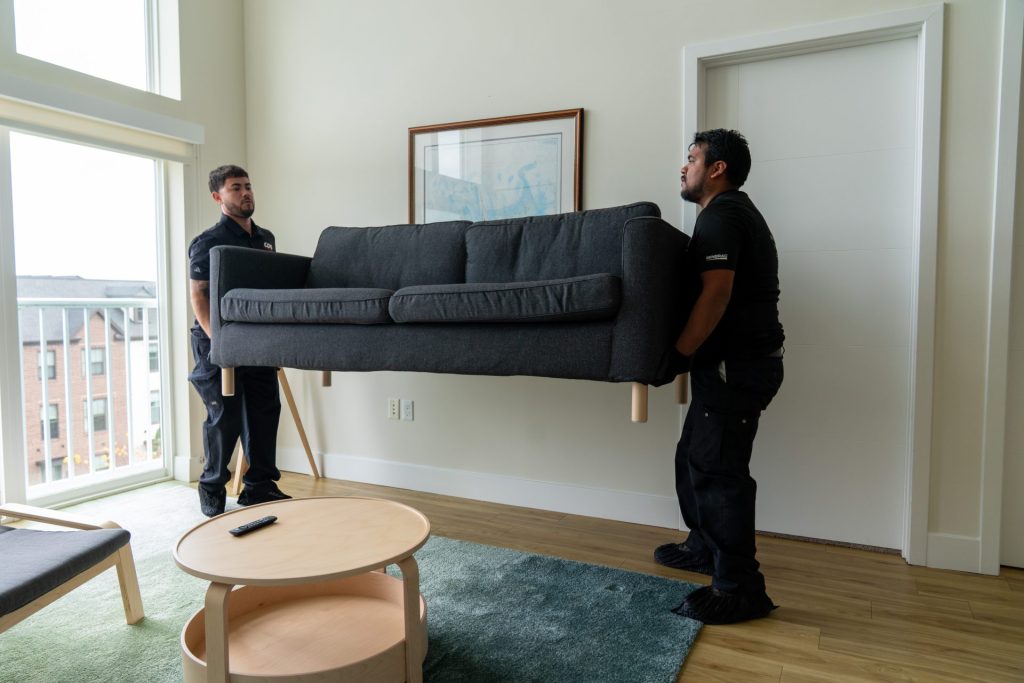
There is a moment that defines the furniture buying experience, and it has nothing to do with the product itself. It happens when the delivery team arrives. In that moment, weeks of browsing, comparing, and deciding culminate in either a seamless, professional handoff that validates every dollar spent, or a chaotic, impersonal drop-off that makes the customer wonder why they didn’t just go to the store.
As furniture e-commerce has exploded, the global home furnishing market is on track to generate over $455 billion in online revenue in 2026, and that moment of delivery has become one of the most important brand touchpoints in the entire customer journey. And the expectations customers bring to it have changed dramatically.
Today’s furniture shopper doesn’t just want their sofa to be delivered. They want it delivered on their schedule, by a professional team, into the room of their choice, assembled and ready to use, with packaging removed and disposed of, and they want to track every step of that process in real time. That means they actually want white-glove services.
This shift is not a niche preference for luxury consumers. It is a broad market expectation that is reshaping how furniture brands must think about logistics, customer experience, and competitive differentiation.
In this post, we explore what’s driving the white-glove revolution, what it means operationally, and how brands can use premium delivery as a genuine growth strategy.
What White-Glove Delivery Actually Means
“White-glove delivery” is a term that gets used loosely in the furniture industry — sometimes to describe any delivery that involves two people, and sometimes to describe a genuinely premium, end-to-end in-home experience. Understanding the spectrum is important, because customer expectations and operational requirements vary significantly across service tiers.
Here is how the three main delivery tiers compare:
| Standard Drop-Off | Threshold Delivery | White-Glove Service |
| Left at door or curb | Inside first dry area | Room of choice placement |
| No unpacking | No unpacking | Full unboxing & debris removal |
| No assembly | No assembly | Assembly & installation |
| No scheduling window | Basic scheduling | Narrow, customer-chosen window |
| No tracking | Limited tracking | Real-time tracking & ETA alerts |
| Damage Risk: High | Damage Risk: Moderate | Damage Risk: Low |
| Customer Effort: High | Customer Effort: Moderate | Customer Effort: Minimal |
True white-glove service sits at the top of this spectrum. It involves a trained two-person team delivering to the room of choice, performing full product assembly, removing all packaging, and often conducting a brief walkthrough with the customer to confirm satisfaction before leaving. It treats delivery as a service event, not a freight transaction.
The distinction matters because many brands claim to offer white-glove delivery while providing something closer to threshold or basic indoor delivery. This gap between expectation and reality is one of the most common drivers of negative reviews in the furniture category — and one of the most avoidable.
Why Customer Expectations Have Fundamentally Shifted
The demand for white-glove delivery hasn’t just emerged in a random vacuum. It’s the product of several intersecting forces that have permanently raised the bar for what furniture customers consider acceptable.
The Amazon Effect — Applied to Big Items
A decade of frictionless small-parcel delivery has recalibrated what consumers consider “normal.” Same-day or next-day delivery, real-time tracking, and seamless returns are now baseline expectations and not premium features. That expectation has migrated to large items. Customers who track a $12 book delivery in real time cannot understand why they can’t track a $1,200 sofa delivery with equal precision.
Higher Price Points Demand Higher Service Standards
Furniture isn’t an impulse purchase. The average furniture transaction is significantly higher than typical e-commerce orders, and customers buying online are already taking a leap of faith — they cannot feel the fabric, test the firmness, or see the true dimensions of a piece before it arrives.
That risk premium creates a service expectation. A customer who has spent $3,000 on a bedroom set does not feel that a curbside drop-off is appropriate. They expect a delivery experience that matches the significance of the purchase. When it doesn’t — when a sofa appears at the door in a damaged box, left by a single driver without offer of help — the resulting dissatisfaction is disproportionate to the logistical failure. It feels like a breach of trust.
The Rise of the Considered Online Furniture Buyer
The furniture customer who shops online in 2026 is not the same customer who cautiously bought their first item online in 2015. Today’s furniture e-commerce shopper is experienced, research-driven, and discerning. They have read reviews, watched unboxing videos, and compared delivery policies across multiple brands before clicking “buy.”
This sophistication means that delivery quality has become a pre-purchase evaluation criterion, not just a post-purchase variable. Shoppers actively seek out brands with strong delivery reputations and avoid those with documented patterns of delivery failure, damage, or poor communication.
The Business Case for White-Glove: Why It Pays
There is a common misconception that white-glove delivery is purely a cost center, or a premium service offered at a loss to satisfy high-end customers. The reality is much more nuanced, and for furniture brands that get it right, the financial case for investing in premium delivery can be quite compelling.
Reduced Returns and Damage Claims
The most direct financial benefit of white-glove delivery is the reduction in product damage and returns. Big and bulky items are inherently vulnerable to damage during the last mile — particularly when handled by untrained drivers without proper equipment. White-glove delivery teams are trained in safe handling of fragile and oversized items, dramatically reducing the damage rates that generate costly returns, replacement shipments, and customer service escalations.
For context: a returned sofa doesn’t just cost the price of a re-shipment. It involves a pickup visit, inspection, potential refurbishment or liquidation, and significant customer service time. The all-in cost of a single furniture return can easily exceed several hundred dollars. White-glove service, priced appropriately, often more than pays for itself in reduced return volume alone.
Higher Conversion Rates at the Moment of Truth
Delivery policy is increasingly a conversion factor. Research consistently shows that unclear, inflexible, or low-quality delivery options cause cart abandonment, especially for high-consideration purchases like furniture. Brands that clearly communicate a premium, white-glove delivery option with a specific window, professional team, and full assembly often see measurable lifts in conversion rates versus brands offering vague or minimal delivery details.
This effect is especially pronounced on high-ticket items. A customer on the fence about a $2,500 sectional is more likely to proceed with a purchase if the delivery experience is explicitly professional, scheduled, and assembly inclusive. The delivery promise can close the sale.
Loyalty and Lifetime Value
Perhaps the most significant — and most often underestimated — financial benefit of white-glove delivery is its impact on customer loyalty. Furniture purchases are infrequent, but they are also high-involvement and emotionally significant. A customer who has a genuinely excellent delivery experience doesn’t just leave a positive review. They return when they need a dining table, a bedroom set, or outdoor furniture. They also refer friends when they remember that experience.
Industry data shows that 65% of shoppers will buy from a retailer again after an excellent delivery experience, even if the price is higher than a competitor.
In a category where repeat purchase cycles are measured in years, the compound effect of that loyalty is enormous. White-glove delivery, done well, is not a service cost — it is a customer acquisition and retention investment.
What It Actually Takes to Deliver White-Glove at Scale
Understanding why white-glove delivery matters is the easy part. Operationalizing it consistently, across geographies and delivery partners, at a cost structure that works for the business — that is where most furniture brands struggle. Here is what genuine white-glove delivery requires at the operational level.
Specialized Carrier Partnerships
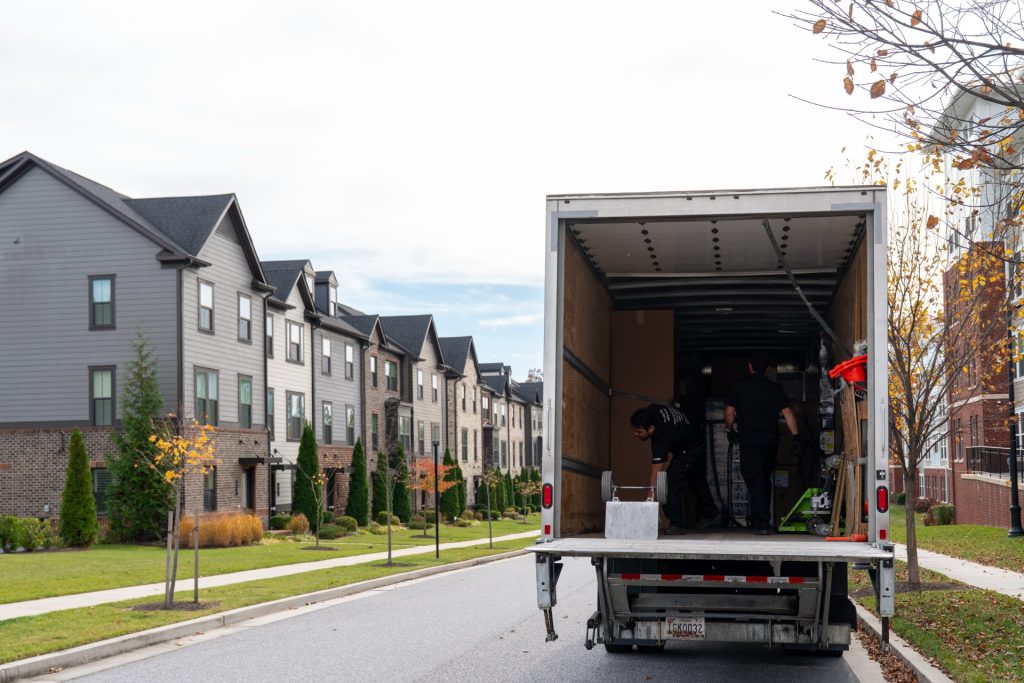
White-glove furniture delivery cannot be bolted onto a standard parcel or LTL operation. It requires carriers who specialize in in-home delivery — with trained two-person teams, appropriate equipment (dollies, furniture pads, stair-climbing tools), and protocols for handling large, fragile, and high-value items. These carriers operate differently from general freight providers and evaluating them requires a different set of criteria.
When selecting or auditing a white-glove carrier partner, key questions include: What is their documented damage rate by product category? How are delivery teams trained and assessed? Do they carry appropriate insurance for in-home delivery? What is their escalation process when on-site complications arise?
Proactive, Multi-Touch Communication
A white-glove experience begins well before the delivery team arrives. Best-practice communication for premium home delivery looks like this:
- Confirmation at purchase with delivery window options and scheduling link
- 48-hour reminder with preparation checklist (clear pathways, identify assembly location, remove existing furniture if needed)
- Day-before confirmation with specific 2–4 hour window and carrier contact details
- Morning-of notification with a real-time tracking link and either the team’s name or driver’s information
- Post-delivery follow-up with satisfaction check and review invitation
Each communication serves a functional purpose — increasing customer preparedness, reducing failed deliveries, and creating touchpoints that reinforce the premium quality of the brand experience. It’s something we implement here at CDS Logistics with our own deliveries, as we know what it’s like being in the customers’ shoes.
Real-Time Tracking and Visibility
In 2026, real-time delivery tracking is non-negotiable for any brand positioning itself as premium. Furniture customers who have spent significant sums on a piece of furniture should not have to call a 1-800 number to find out when their delivery team will arrive. They should be able to see a live map on their phone.
Brands that cannot offer this capability, either through their own systems or through their carrier partners, face a meaningful competitive disadvantage. Investing in last-mile delivery software that provides end-to-end visibility is one of the highest-ROI technology investments a furniture brand can make.
Trained, Professional In-Home Teams
The quality of the in-home experience ultimately comes down to the people delivering it. White-glove teams must be trained not just in safe furniture handling, but in customer communication, professional appearance, and on-site problem-solving. They represent the brand in the most personal possible environment: the customer’s home. If something goes wrong in such an intimate space, a customer is less likely to be forgiving.
This means that carrier selection cannot be driven solely by cost per delivery. Brands must evaluate the training standards, turnover rates, and customer satisfaction scores of their carrier delivery teams. A low cost-per-delivery that generates a 3% damage rate and a flood of negative reviews is not a bargain: it’s a liability.
Building a Tiered Delivery Strategy That Works
Not every customer wants or needs white-glove service, and not every product justifies the cost. Savvy furniture brands are building tiered delivery strategies that offer genuine choice, transparent pricing, and clear differentiation between tiers.
A well-designed delivery tier structure for a furniture brand might look like this:
- Standard Delivery — Threshold or first dry area. Suitable for flat-pack items or customers who prefer to self-assemble. Clearly communicated as the base tier with appropriate pricing.
- Room-of-Choice Delivery — Indoor placement to designated room, no assembly. A meaningful upgrade from threshold for larger items. Appropriate for many case goods and ready-to-assemble furniture.
- White-Glove Service — Full in-home delivery, assembly, debris removal available, and quality walkthrough. The premium tier for upholstered goods, complex case furniture, and high-ticket items. Priced to reflect the value delivered.
The key is transparency. Customers should understand exactly what each tier includes before they purchase — and the higher tiers should be positioned not as optional add-ons, but as the recommended experience for the items they’ve selected. Guiding customers toward the right service level for their purchase reduces mismatched expectations and the complaints that follow.
Delivery as Differentiation: The Strategic Opportunity
Most furniture brands think about delivery as a logistics challenge. The brands that are winning in furniture e-commerce think about it as a brand strategy.
In a market where product quality has converged, where consumers can find aesthetically similar sofas at similar price points from a dozen online brands, the delivery experience is one of the most potent remaining differentiators. It is difficult to replicate, it directly shapes customer perception, and it drives the loyalty metrics that determine long-term business value.
Brands that have invested seriously in white-glove delivery infrastructure are reaping measurable benefits: higher conversion rates, lower return volumes, better review scores, and stronger repeat purchase rates. These are not soft metrics: they show up directly on the P&L.
The strategic question for furniture brands today is not whether to invest in delivery quality. It is how quickly to move and which operational investments to prioritize first.
The Bottom Line
The furniture shopper of 2026 has made a significant financial and emotional investment before the delivery team ever rings the doorbell. They have researched, compared, deliberated, and trusted — and they deserve a delivery experience that honors that trust.
White-glove delivery is no longer a luxury differentiator reserved for the highest-end brands. It is rapidly becoming the baseline expectation for any furniture retailer that sells a meaningful proportion of its inventory online. The brands that understand this and build the operational infrastructure to deliver on it consistently will earn the loyalty, repeat business, and referrals that define long-term success in furniture e-commerce.
Frequently Asked Questions
What does white-glove delivery actually mean?
White-glove delivery is a premium, end-to-end in-home experience in which a trained two-person team delivers to the customer’s room of choice, performs full product assembly, removes all packaging, and often conducts a brief satisfaction walkthrough before leaving. It treats delivery as a service event rather than a freight transaction, sitting at the top of the spectrum above standard drop-off and threshold delivery.
What is the difference between threshold delivery and white-glove service?
Threshold delivery brings the item inside the first dry area with no unpacking or assembly, basic scheduling, and limited tracking. White-glove service includes room-of-choice placement, full unboxing and debris removal, assembly and installation, a narrow customer-chosen window, and real-time tracking with ETA alerts—resulting in lower damage risk and minimal customer effort.
Why has demand for white-glove furniture delivery grown?
Three forces have raised the bar: the “Amazon effect,” where frictionless small-parcel delivery recalibrated what customers consider normal and migrated to large items; higher price points that create a service expectation matching the significance of the purchase; and the rise of research-driven online furniture buyers who treat delivery quality as a pre-purchase evaluation criterion.
Does white-glove delivery actually pay for itself?
Yes. The most direct benefit is reduced product damage and returns—since a single furniture return involves pickup, inspection, potential refurbishment, and customer service time that can exceed several hundred dollars all-in. White-glove service also lifts conversion rates on high-ticket items and drives repeat purchases, making it a customer acquisition and retention investment rather than a pure cost center.
How does delivery experience affect customer loyalty?
Furniture purchases are infrequent but high-involvement and emotionally significant, so an excellent delivery experience drives repeat business and referrals over purchase cycles measured in years. Industry data shows 65% of shoppers will buy from a retailer again after an excellent delivery experience, even if the price is higher than a competitor’s.
What does it take to deliver white-glove service at scale?
Genuine white-glove delivery requires specialized carrier partnerships with trained two-person teams and proper equipment, proactive multi-touch communication (from purchase confirmation through post-delivery follow-up), real-time tracking and visibility, and professional in-home teams trained in handling, communication, and on-site problem-solving. It cannot be bolted onto a standard parcel or LTL operation.
How should a furniture brand structure its delivery tiers?
A well-designed structure offers genuine choice with transparent pricing: standard delivery (threshold or first dry area) for flat-pack or self-assembly items; room-of-choice delivery (indoor placement, no assembly) for larger case goods; and white-glove service (full in-home delivery, assembly, debris removal, and quality walkthrough) for upholstered goods, complex case furniture, and high-ticket items. Higher tiers should be positioned as the recommended experience, not just optional add-ons.
About CDS Logistics: Experts in Big and Bulky Last Mile Delivery
CDS Logistics is one of the largest providers of last mile delivery and fulfillment solutions in the United States. CDS’s headquarters is in Baltimore, Maryland, with 182 hubs nationwide. Over the past three decades, CDS has built expertise to make the company an industry leader specializing in big and bulky products. CDS’s proprietary, in-house technology and hands-on operational expertise provide results that are consistent, reliable, and proven to drive outstanding customer experiences.
Click the buttons below to learn more about the industries we serve, as well as the services we provide.
Other Resources
- How White-Glove Delivery Reduces Damage Claims on Heavy Fitness Equipment
- How Route Optimization Software Actually Cuts Delivery Costs
- In-Home Delivery vs. Threshold Delivery vs. Curbside: What’s the Difference?
- Jobsite Coordination: Why Builder Schedules Should Drive Your Delivery Windows
- How Window and Door Manufacturers Can Cut Damage Claims in Half

