AI has shifted from a logistics buzzword to a genuine competitive differentiator in last-mile delivery, which is the most expensive, complex, and brand-defining leg of the shipping journey. Traditional routing tools solved for only one variable, distance, leaving dispatchers building routes manually and failure rates high. AI processes dozens of variables simultaneously and in real time, and it gets smarter with every delivery completed. Businesses deploying it well handle more volume, spend less per delivery, and keep customers happier, while those that don’t find the performance gap harder to close every quarter.
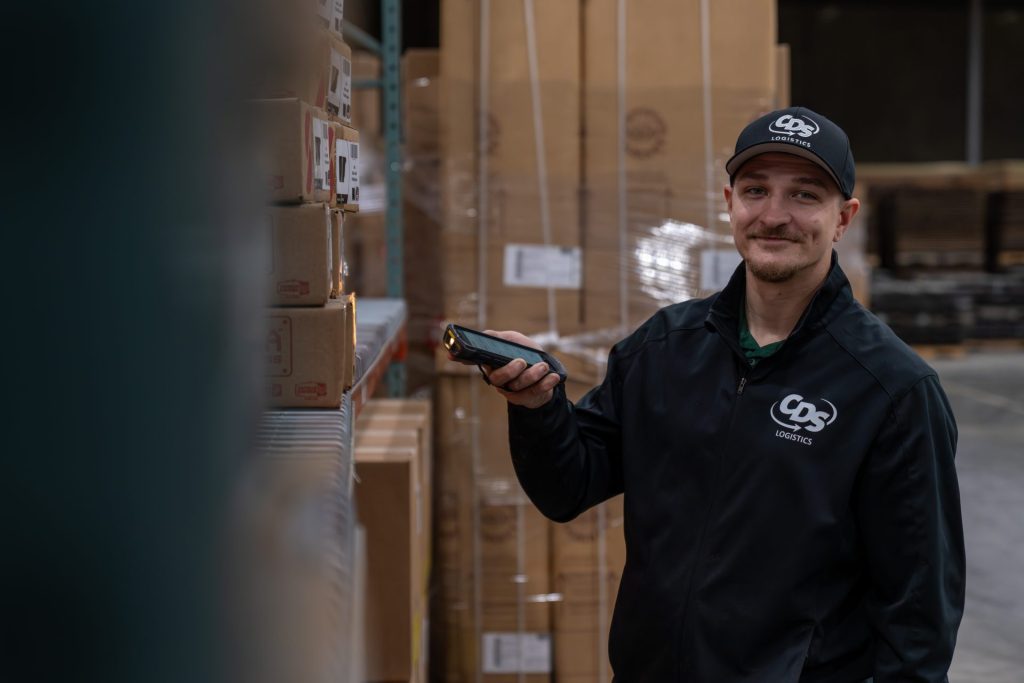
The final stretch of a package’s journey, where it goes from a local distribution hub to a customer’s front door, has quietly become the most expensive, most complex, and most brand-defining part of both the buyer’s journey and ecommerce. It’s also the part retailers have the least control over, and the part customers care about the most.
When a delivery is late, damaged, or goes missing, customers don’t blame the carrier. They blame the brand. And in a world where consumers have more choices than ever, one bad delivery experience is often enough to lose them permanently and create a negative legacy overall. That’s why AI has moved from a logistics buzzword to a genuine competitive differentiator.
The businesses deploying it well are pulling ahead, handling more volume, spending less per delivery, and keeping customers happier in the process. Those that aren’t find the gap harder to close.
In this post, we’ll break down how AI is being applied to last-mile delivery right now — in route optimization, demand forecasting, customer communication, and autonomous delivery — and what the next wave of innovation looks like for retailers and ecommerce providers.
The Problem AI Is Solving: Why Last-Mile Logistics Has Always Been Hard
Every delivery day is different. Order volumes fluctuate unpredictably. Traffic jams form and dissolve. Customers aren’t home. Addresses are wrong. Drivers get sick. Weather disrupts routes. A static plan built at 7 AM is often irrelevant by noon.
Traditional routing tools only solved for one variable: distance. They were unable to account for delivery time windows, vehicle capacity constraints, real-time traffic, driver availability, or the likelihood that a specific address would result in a failed delivery. The result? Dispatchers spend hours manually building routes, stubbornly high delivery failure rates, and costs that climb with every new package added to the network.
AI changes the equation by processing dozens of variables simultaneously, continuously, and in real time. It also adapts and gets smarter with each new delivery completed.
AI-Powered Route Optimization: Beyond Point A to Point B
Modern AI routing systems don’t just calculate the shortest path between stops. They think through the whole picture: real-time traffic conditions, historical congestion patterns by time of day, each customer’s delivery window, vehicle weight limits, loading order (so the driver isn’t rearranging boxes at every stop), driver hours-of-service rules, and even the probability that a given address will result in a successful delivery.
That last point matters more than most people realize. An address with a history of failed attempts is a red flag. An AI system can flag it before the driver ever leaves the depot and trigger an automated heads-up to the customer to confirm that someone will be home.
What Changes in Practice
The operational shift for businesses that implement AI routing is tangible. Routes that used to take dispatchers hours to build manually are generated and optimized automatically overnight. Drivers spend less time sitting at curbs rearranging vans, sitting in traffic, and complete more stops because of it.
Failed deliveries drop. Customer service teams stop spending their days answering “where’s my package?” calls because the system is proactively giving customers that answer. Large parcel carriers have invested heavily in AI routing at scale, shaving fractions of miles off millions of routes daily, which adds up to enormous fuel savings across a whole network.
AI Demand Forecasting: Knowing What Customers Want Before They Order
Route optimization solves the problem of how to deliver. Demand forecasting solves the harder problem of what and where to have ready before the order even arrives.
Creating Smarter Methodologies with Artificial Intelligence
Traditional demand planning relied on spreadsheets and last year’s seasonal patterns. It left operations perpetually reactive, scrambling to add capacity during a flash sale, overstocked after a holiday that underperformed, and chronically behind in spotting emerging demand in specific regions.
AI demand forecasting works by analyzing historical order data alongside a wide range of external signals: weather forecasts, local events, social media trends, day-of-week purchase behavior, even nearby school calendars. The output is a continuously updating picture of what volume is coming, where it’s likely to land geographically, and with enough lead time to do something about it.
In practice, that means businesses can pre-schedule drivers before peak season pressure hits rather than scrambling to find capacity on the day. It also means placing the right inventory in fulfillment centers closest to where demand is building, rather than shipping from a central warehouse three states away.
Anticipatory Fulfillment: The Next Level
The most advanced retailers have pushed demand forecasting to an almost counter-intuitive place, which involves moving inventory toward customers before the order is even placed.
By analyzing browsing behavior, purchase history, and regional trends, these systems can predict with enough confidence to begin pre-positioning stock in the right fulfillment nodes in advance. The result is same-day and next-day delivery that would otherwise be logistically impossible to promise.
AI and the Customer Experience: Proactive Communication at Scale
One of AI’s most underappreciated contributions to last-mile delivery isn’t in routing or forecasting. It’s actually what happens when something goes wrong.
In traditional operations, delivery exceptions (which encompass failed attempts, rerouted packages, address errors, damaged goods) are discovered at the store or at the doorstep. By then, the cost and the reputational damage are already locked in.
AI-powered platforms can now catch exceptions much earlier and at the terminal level, before a problem ever makes it to a driver’s route. When an issue is flagged, the system automatically notifies the customer: a text or email with a revised ETA and a link to reschedule, without a dispatcher making a single phone call.
This changes the dynamic from reactive damage control to proactive expectation management. The customer who gets a heads-up stays a customer. The customer who waits all afternoon for a package that never arrives often doesn’t.
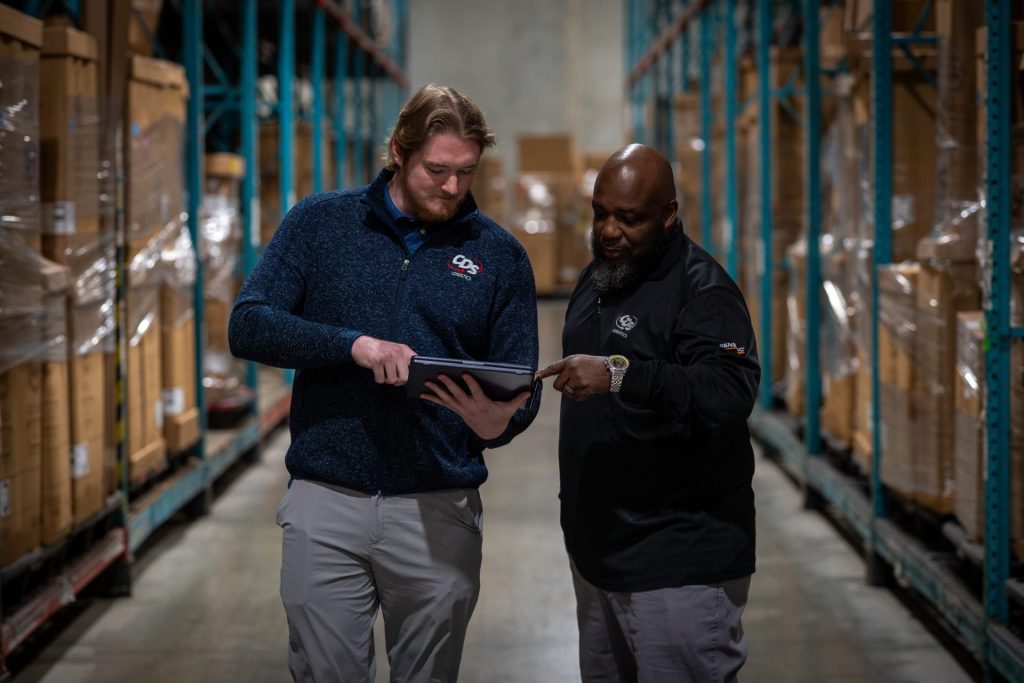
The same logic applies to ETAs more broadly. Static delivery windows (“your package will arrive Thursday”) are being replaced by dynamic, continuously updated predictions that narrow as the driver gets closer. Customers can track their delivery in real time, see when their driver is a couple of stops away, and plan their day accordingly. That level of visibility has shifted from a nice-to-have to something customers actively expect — and is being statistically measured as part of customer satisfaction surveys.
From Predictive AI to Agentic AI: The Next Frontier
The most significant shift underway in last-mile AI isn’t incremental improvement in routing or forecasting. It’s the move from predictive AI to agentic AI, which decides and acts on the best response automatically.
Traditional predictive AI produces a recommendation, which can be to take a different route. A human dispatcher reads it and decides what to do. Agentic AI skips that middle step. It reroutes the driver, adjusts the customer’s ETA, and logs the decision without anyone needing to intervene.
The vision for agentic AI in last-mile logistics is a single intelligent system that orchestrates every element of delivery dynamically: orders, routes, driver assignments, customer communications, and exception handling. All of these different components adjust in real time based on conditions on the ground.
What This Means for Retailers and Ecommerce Providers
Not every business is ready for autonomous delivery robots, and not every operation needs to chase the bleeding edge. But the competitive pressure from AI-enabled operations is growing, and the entry point has never been more accessible.
The most practical way to think about AI adoption in last mile delivery is to sequence it by payback speed and data requirements.
- Start here: Route optimization and automated customer notification deliver the fastest, most measurable returns and require the least data to get going. Most operations see meaningful improvement within a few months.
- Build toward this: As historical data accumulates, demand forecasting becomes more powerful. Predictive failure detection, flagging high-risk deliveries before they happen, also becomes more reliable with more data behind it.
- Plan for this: Agentic AI systems, autonomous vehicle integration, and end-to-end orchestration platforms represent the next horizon. Businesses that build solid data foundations now will be far better positioned to adopt these capabilities when the time comes.
The common thread across all of it is visibility: unified, real-time data across carriers, routes, drivers, and customer touchpoints. That’s the foundation everything else is built upon, and the most important investment a retailer can make in their last-mile operation today, regardless of where they are on the AI adoption curve.
The Competitive Cost of Waiting
The performance gap between AI-enabled and AI-lagging last-mile operations is widening every quarter. Retailers that have invested in intelligent delivery platforms are running tighter operations — resolving exceptions faster, meeting tighter delivery windows, and doing it without proportionally growing their headcount.
Those still relying on manual route planning, reactive customer service, and gut-feel demand planning are fighting an increasingly difficult battle. Not because AI is magic, but because it compounds. Every delivery generates data; those data points make the next prediction more accurate, and every accurate prediction drives better outcomes.
Frequently Asked Questions
What is AI route optimization in last-mile delivery?
AI route optimization uses machine learning to calculate the most efficient delivery paths in real time, accounting for traffic, weather, delivery time windows, driver availability, vehicle capacity, and predicted delivery failure risk, continuously updating as conditions change throughout the day.
How does AI demand forecasting help ecommerce businesses?
It shifts operations from reactive to proactive. Instead of scrambling to add capacity when a demand spike hits, AI forecasting gives businesses enough lead time to pre-schedule drivers, move inventory closer to customers, and avoid stockouts before they happen.
Do small ecommerce businesses need AI for last-mile delivery?
Increasingly, yes. Route optimization and automated customer notification tools are now accessible to businesses of all sizes, and the benefits — fewer failed deliveries, less time on manual route planning, fewer inbound support calls — hold up even at modest delivery volumes.
How should retailers prioritize AI investment in last-mile delivery?
Start with route optimization and real-time customer visibility — these tools deliver the fastest payback with the least data required. From there, layer in demand forecasting as your historical data matures, and begin evaluating agentic and autonomous technologies as longer-term investments.
About CDS Logistics: Experts in Big and Bulky Last Mile Delivery
CDS Logistics is one of the largest providers of last mile delivery and fulfillment solutions in the United States. CDS’s headquarters is in Baltimore, Maryland, with 182 hubs nationwide. Over the past three decades, CDS has built expertise to make the company an industry leader specializing in big and bulky products. CDS’s proprietary, in-house technology and hands-on operational expertise provide results that are consistent, reliable, and proven to drive outstanding customer experiences.
Click the buttons below to learn more about the industries we serve, as well as the services we provide.
Other Resources
- How White-Glove Delivery Reduces Damage Claims on Heavy Fitness Equipment
- How Route Optimization Software Actually Cuts Delivery Costs
- In-Home Delivery vs. Threshold Delivery vs. Curbside: What’s the Difference?
- Jobsite Coordination: Why Builder Schedules Should Drive Your Delivery Windows
- How Window and Door Manufacturers Can Cut Damage Claims in Half

